Last updated November 22, 2026
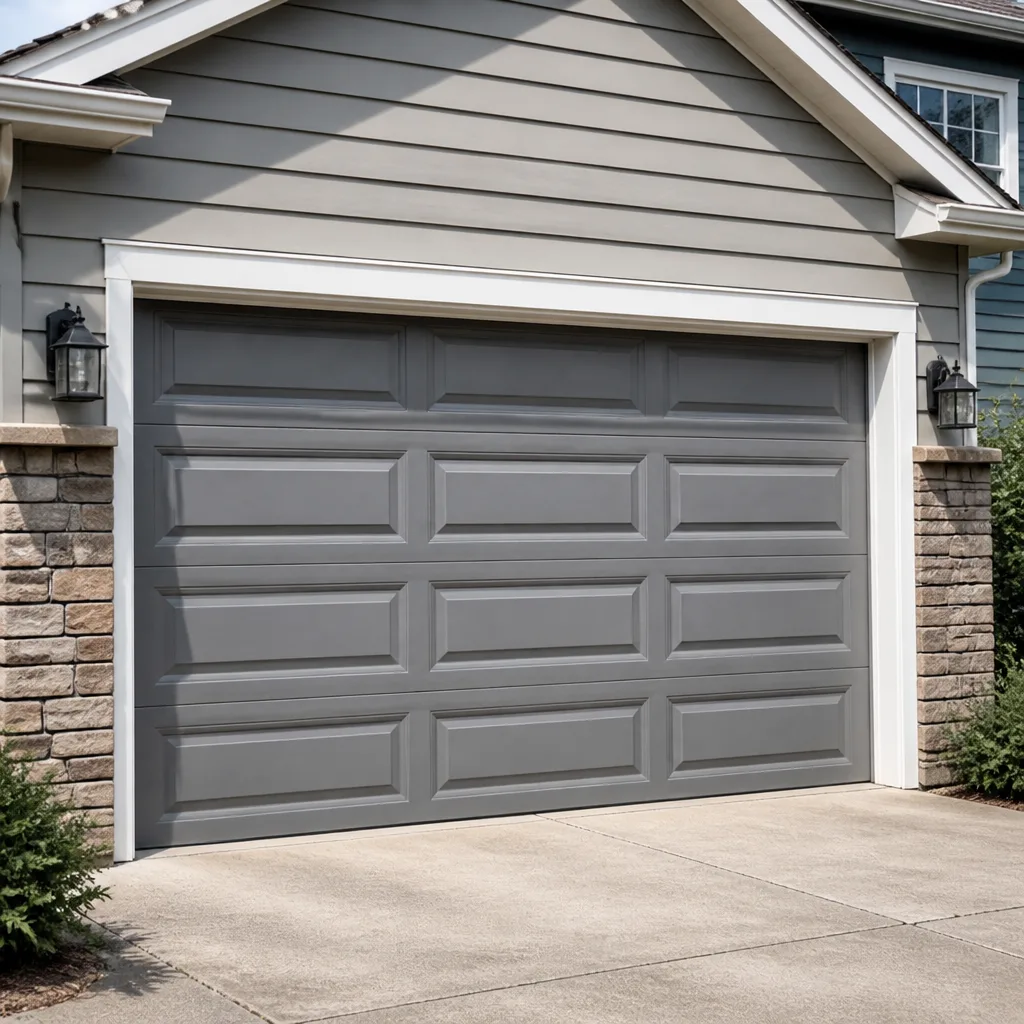 Raised-panel steel
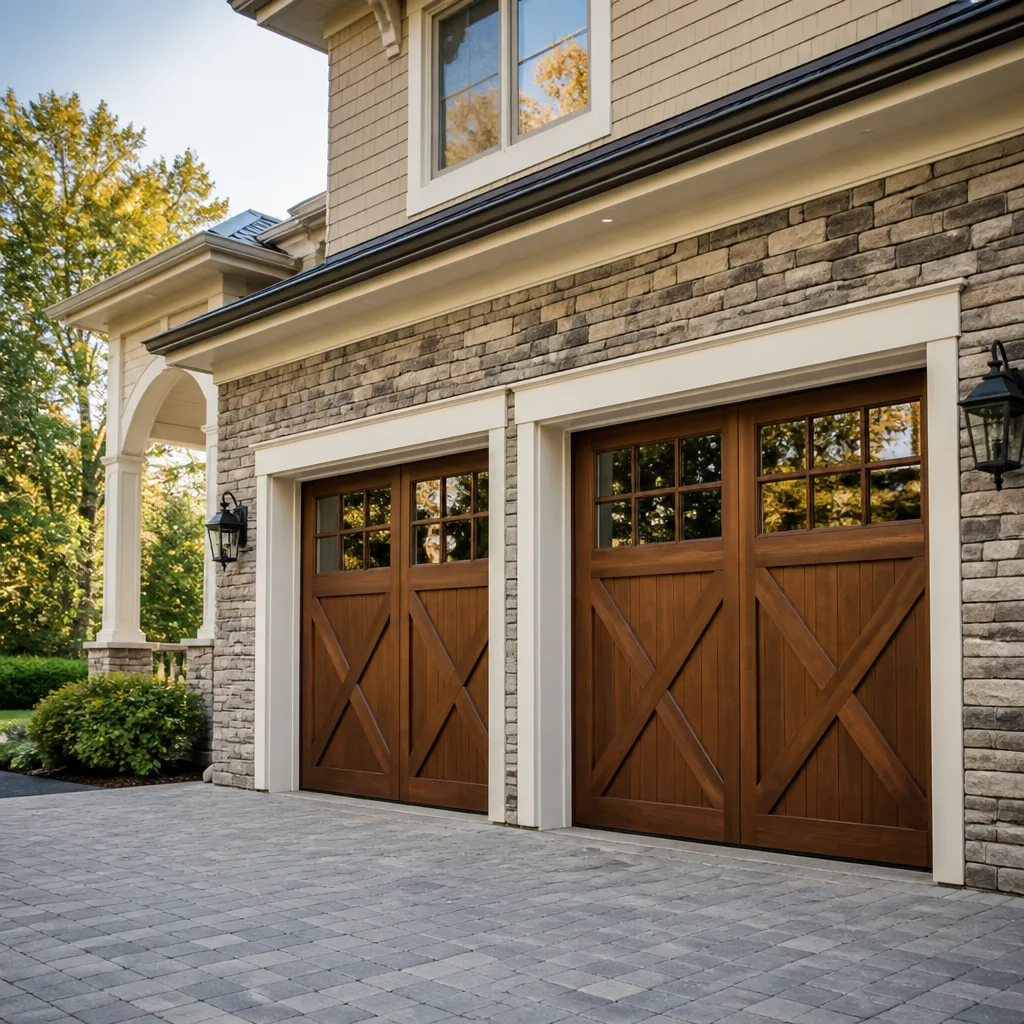 Carriage house
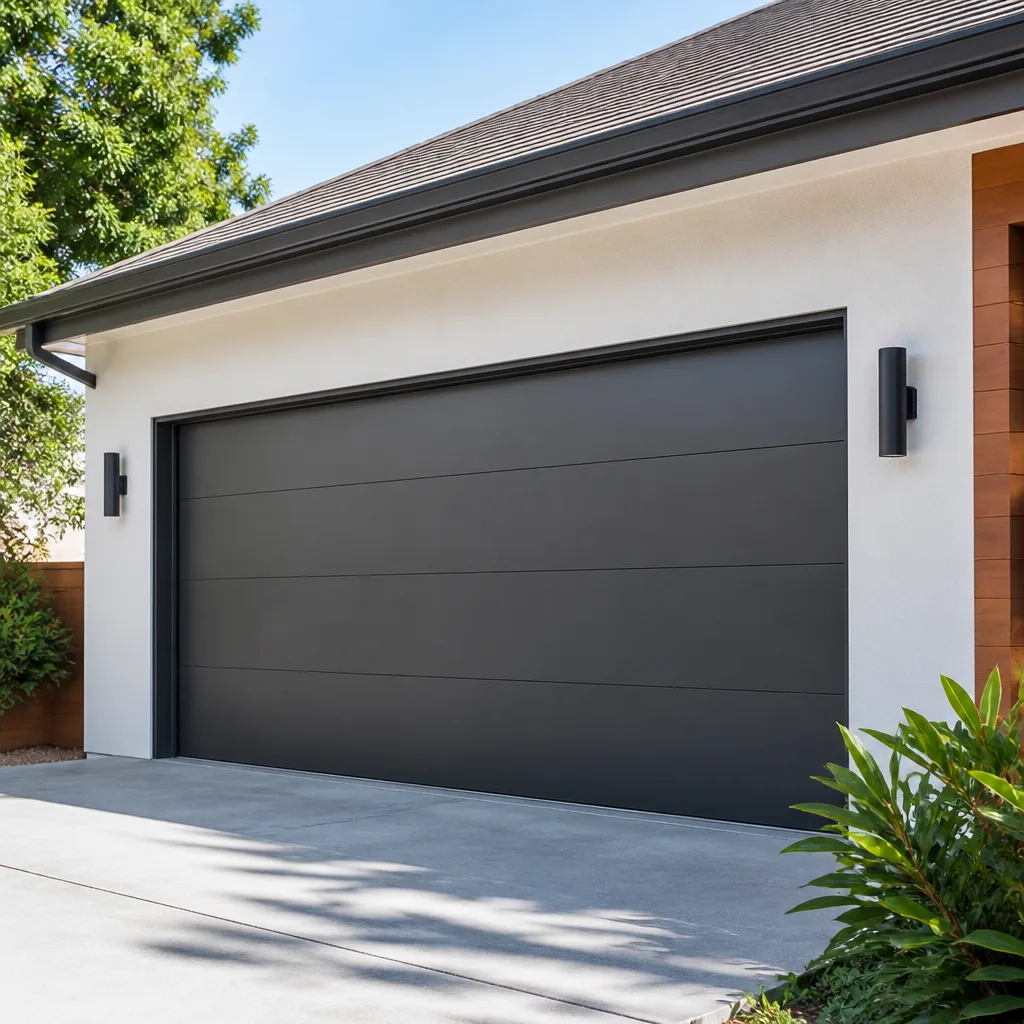 Modern flush
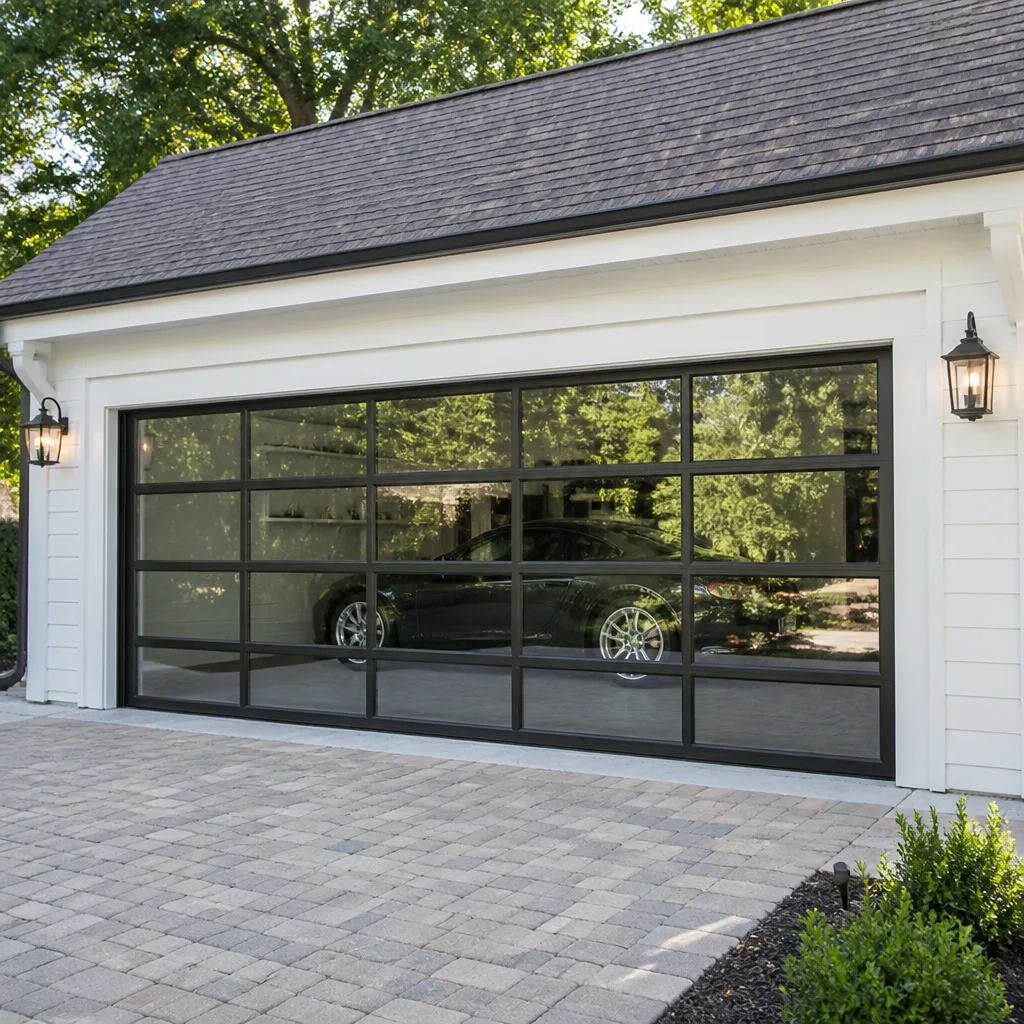 Full-view glass
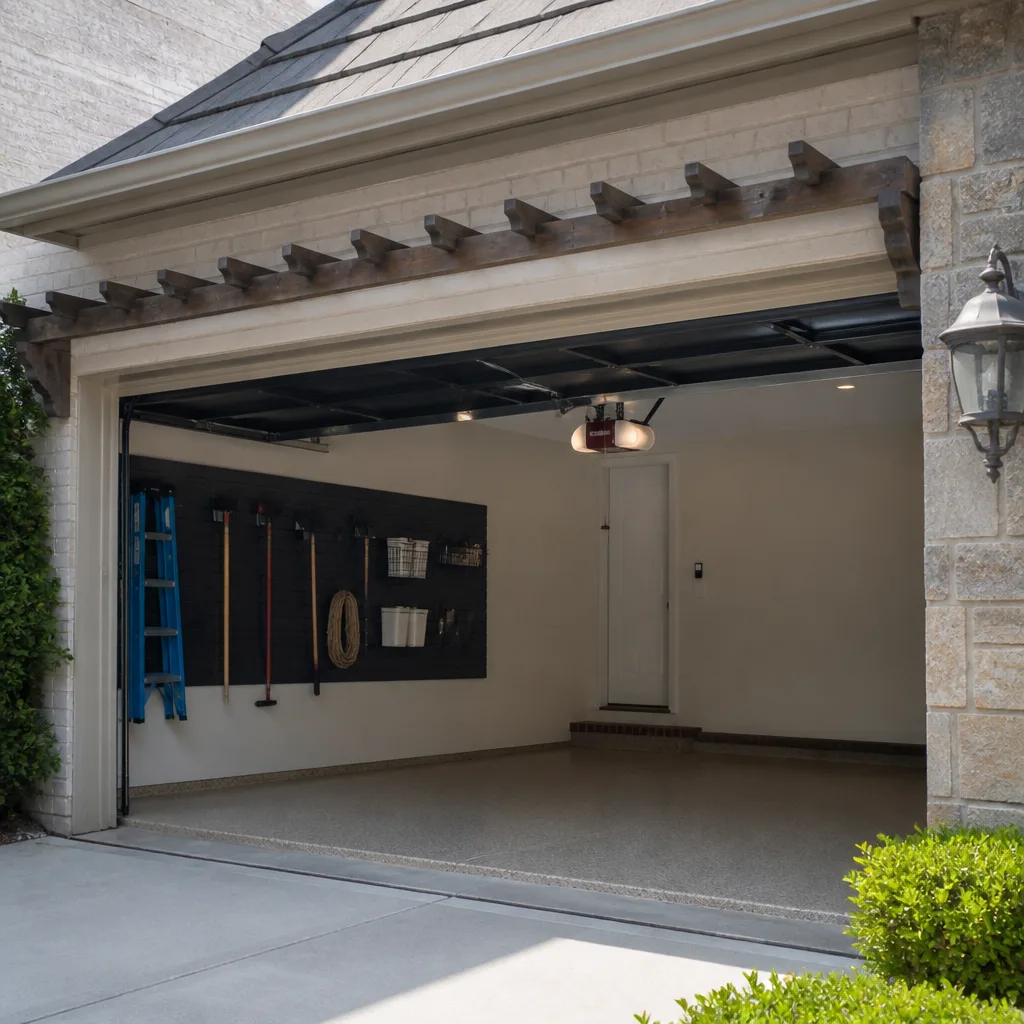 LiftMaster openers
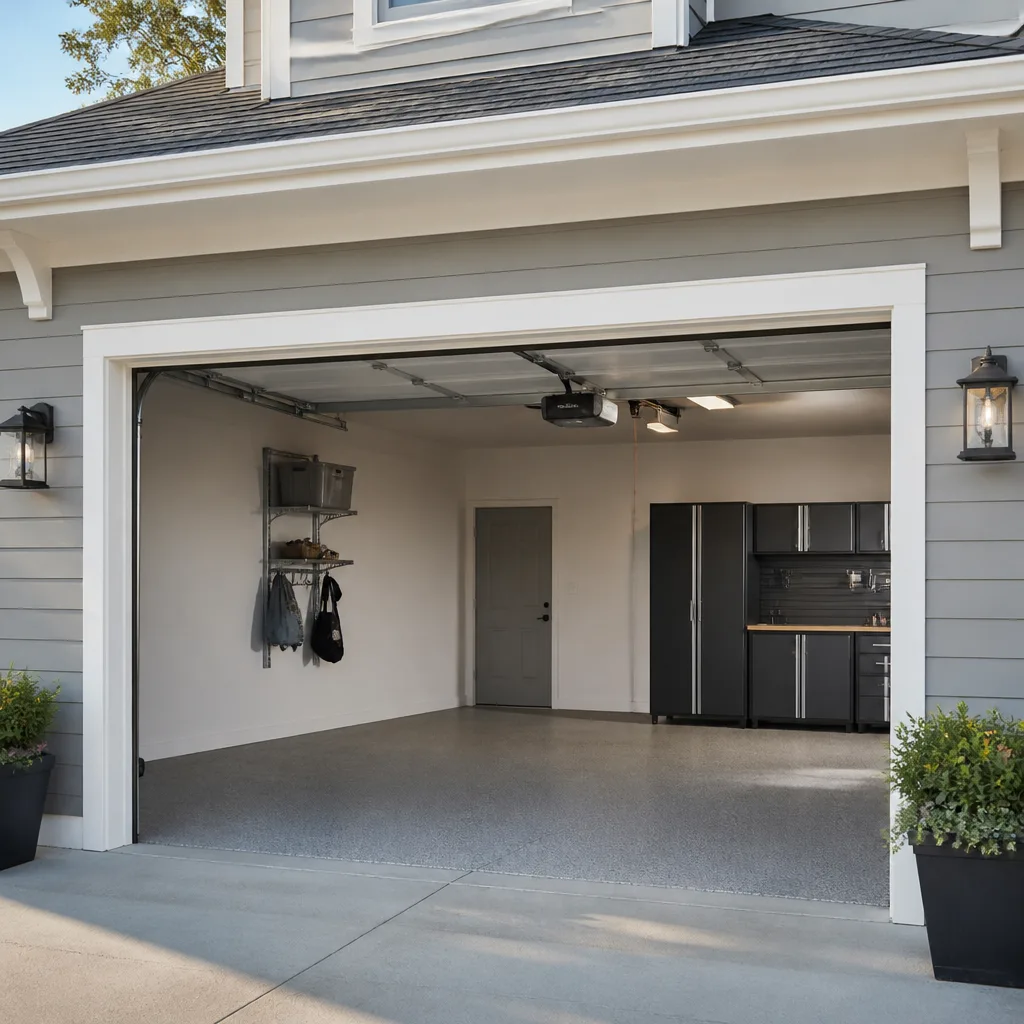 Chamberlain openers
Full 25-point door and opener safety check with every visit - springs, cables, rollers, tracks, and your LiftMaster or Chamberlain opener included
You get a price before we start. It does not change when the pro arrives.
Get your free estimateGarage Door Permits, Codes & Inspections in New Rochelle, NY: What You Need to Know
Most homeowners in New Rochelle assume any garage door work requires a permit, and that assumption leads to two opposite mistakes: pulling a costly permit for a repair that never needed one, or skipping a permit on structural work that absolutely requires it. The line isn’t arbitrary. A spring-and-cable repair on an existing door is routine maintenance and needs no permit. A new door on a widened opening, or a change to the wall between your garage and living space, is structural work that goes through the City of New Rochelle Building Department. Most contractors don’t explain where that line falls or why, so homeowners guess. This guide maps it clearly so you know exactly what needs a permit, what doesn’t, and what happens if structural work slips through without one.
Quick Answer
Routine garage door repairs in New Rochelle, including spring replacement, cable repair, track realignment, and opener service, do not require a building permit from the City of New Rochelle Building Department. Structural work, such as installing a new door in a widened opening, altering the framed opening, or changing the garage-to-house separation wall, does require a permit, and the work must meet New York State code for fire separation and, where the garage is attached and conditioned, energy code insulation thresholds. When in doubt, call the Building Department directly before work begins.
Styles & brands we work with
- Raised-panel steel
- Carriage house
- Modern flush
- Full-view glass
- LiftMaster openers
- Chamberlain openers
Table of Contents
- Where the Permit Line Falls in New Rochelle
- Work That Requires a Building Permit
- Work That Does Not Require a Permit
- New York State Energy Code and Garage Door Insulation
- Fire Separation Between an Attached Garage and Living Space
- What Happens to Permit Liability When You Sell
- How to Verify Your Contractor Pulled the Permit
- What an Inspection Actually Checks
Where the Permit Line Falls in New Rochelle
The permit line in New Rochelle is drawn around structural change, not around maintenance. A door that fails because a torsion spring snapped, a cable frayed, or a roller jumped its track is a repair of existing components. Nothing about the building’s structure is altered, so the City of New Rochelle Building Department doesn’t need to review it. That covers the majority of what we get called for in New Rochelle, and it’s the reason most homeowners never touch a permit application.
The line moves when the work touches the opening itself or the wall around it. Widening a single-car opening to fit a double door, reframing a header, cutting a new opening where none existed, or changing how the garage separates from the house all involve structure, and structure is what permits exist to document. New Rochelle has a lot of older housing stock, especially in neighborhoods like Wykagyl and the North End, where a garage was built decades ago to a different standard than what’s on the books now. When you alter that opening, the current code applies.
Here’s the practical rule we give homeowners:
- Maintenance and repair of existing parts: no permit. Springs, cables, rollers, hinges, tracks, openers, and panel swaps that match the original opening all fall here.
- Like-for-like replacement in the same opening: often no permit, but confirm with the Building Department, since a full door replacement can trigger energy code review if the garage is attached and conditioned.
- Structural alteration: permit required. Widening, reframing, raising a header, or changing the separation wall between garage and living space.
- New construction or a garage conversion: permit required, with plan review.
If you’re unsure which bucket your job fits, ask before you book the work, not after. The cost of a phone call to the Building Department is nothing compared to the cost of discovering unpermitted structural work at closing.
Work That Requires a Building Permit
Any garage door project that changes the structure of the opening or the building envelope needs a permit from the City of New Rochelle Building Department. The Building Department wants to see that the altered opening is properly framed and headed, that the door and its hardware meet current standards, and that the wall between the garage and the house still provides the required fire separation. For a widened opening, that means demonstrating the new header can carry the load above it, which usually requires a design from a licensed professional.
Projects that typically require a permit in New Rochelle:
- Widening or heightening an existing opening to fit a larger door. This changes the header and the framing.
- Cutting a new garage door opening into a wall that doesn’t currently have one.
- Reframing or replacing a damaged header over an existing opening.
- Changing or removing the separation wall between an attached garage and the living space, including adding or relocating a door between them.
- Converting a garage to living space, or the reverse.
- Full door replacement on an attached, conditioned garage, in cases where the energy code review applies. Confirm with the Building Department whether your specific replacement triggers it.
What surprises homeowners most is item six. A door swap feels like a like-for-like replacement, and often it is treated that way. But when the garage shares a wall with conditioned living space and the door is part of the thermal envelope, the energy code can come into play. Whether it applies to your address depends on how the garage is built and heated, so the answer is a phone call, not a rule of thumb.
We don’t pull permits on your behalf for structural work, because that work isn’t something we do. What we do is tell you honestly, when we look at a job, whether it looks like it crosses the line, so you can start the permit conversation with the right person before anyone swings a hammer.
Work That Does Not Require a Permit
The overwhelming majority of garage door work in New Rochelle needs no permit at all. If the door frame and opening stay exactly as they are and we’re replacing or adjusting parts, the City of New Rochelle Building Department has no role. This matters because a contractor who tells you a permit is needed for a spring replacement is either confused or padding the bill.
No-permit work includes:
- Spring repair or replacement, including torsion and extension springs. This is the single most common job we do, and it’s pure component replacement. Our garage door spring repair work never touches structure.
- Cable, drum, and roller replacement.
- Track realignment or replacement when the opening itself isn’t altered.
- Hinge and bracket replacement.
- Panel replacement that matches the original door and opening.
- Opener repair or replacement, including smart openers and legacy units. Our garage door opener repair service covers LiftMaster, Chamberlain, Genie, and Craftsman units without any permit involvement.
- Weather seal, bottom seal, and trim work that doesn’t change the opening.
If a contractor tells you a snapped spring requires a permit in New Rochelle, ask them why in writing. You’ll either get a straight answer that reveals the job is actually bigger than a spring swap, or you’ll learn something useful about how they operate.
New York State Energy Code and Garage Door Insulation
New York State’s energy code applies to garage doors in one narrow but real situation: when the garage is attached to the house, is conditioned (heated or cooled), and the door sits within the thermal envelope. In that case, replacing the door can trigger insulation requirements. The code sets a threshold for the door’s insulating value, and a door that doesn’t meet it can fail review. An unconditioned garage, or a detached garage, generally falls outside this requirement.
For most New Rochelle homeowners, the practical takeaway is simple: if you’re replacing a door on an attached garage that shares heated space with the house, ask the Building Department whether the energy code applies to your job before you order the door. Get the answer in writing if you can. Then match the door to what’s required.
This is where brand and model knowledge actually helps. An insulated door from Clopay or Wayne Dalton comes in different insulation levels, and the door that meets the code threshold is a specific model, not just any insulated door. We work across the major door brands, so we can tell you which models carry the insulation you need rather than steering you toward whatever’s in stock. For a broader look at what replacement involves, see our garage door repair service overview. If you’re replacing rather than repairing, getting the insulation right the first time avoids a failed inspection and a second door order.
Fire Separation Between an Attached Garage and Living Space
When a garage is attached to a house, the wall and any door between the garage and the living space must provide fire separation. The purpose is to slow a garage fire long enough for occupants to get out. In New Rochelle, this requirement applies to any attached garage, and it comes into play whenever you alter the separation wall or the door in it, which is why it’s a permit matter rather than a repair one.
What the requirement covers:
- The wall itself: must be constructed to resist fire spread from the garage side, using the materials the code specifies for that assembly.
- The door between garage and house: must be a fire-rated door of the required type, not a hollow interior door.
- Self-closing hardware: the door between garage and living space must self-close and self-latch, so it can’t be left open and defeat the separation.
- Penetrations: any opening cut through the wall for wiring, plumbing, or ductwork must be sealed to maintain the fire rating.
- No direct opening from garage to a sleeping room: the code restricts where a door from the garage can lead.
We’ve seen plenty of New Rochelle garages where a previous owner swapped the fire-rated door for a standard interior door, or removed the self-closer because it was annoying. Both changes quietly break the fire separation and would surface in an inspection after a permit is pulled for related work. If you’re doing anything that touches that wall, get it back to code while the permit is open.
What Happens to Permit Liability When You Sell
Unpermitted structural work on a garage doesn’t disappear. It waits. When you sell a home in New Rochelle, the buyer’s inspector will look at the garage, and a title search or a records check at the Building Department can reveal that a permit was never pulled or never closed. That’s when it becomes your problem, and the timing is the worst possible: after you’ve agreed to a price and a closing date.
Here’s how it tends to play out:
- Buyer’s inspection: a good inspector flags an altered opening, a non-rated door on the garage-to-house wall, or a widened frame that doesn’t match the original drawings. That becomes a negotiation item.
- Title search and records check: the buyer’s attorney may pull permit history at the Building Department. A structural project with no permit on file shows up as a red flag.
- Lender review: some lenders won’t fund a mortgage on a home with unresolved unpermitted structural work, which can stall or kill the deal.
- Remediation: the unpermitted work has to be brought to code and inspected, often with a licensed design professional involved. That’s money and time you didn’t budget for.
The fix isn’t complicated, it’s just early: pull the permit when the work is done, close it out, and keep the paperwork. A closed permit is a selling point, not a liability. We tell every homeowner we work with in New Rochelle that if a project crosses the structural line, the permit pays for itself at resale.
How to Verify Your Contractor Pulled the Permit
You can verify permit status directly with the City of New Rochelle Building Department, and you should, before the work begins rather than after. A permit is issued in the property owner’s name and the contractor’s, so if you didn’t sign anything for a permit application, it isn’t being pulled on your behalf. That’s the first check.
Steps to verify:
- Ask for the permit number in writing before work starts, and keep it.
- Call the City of New Rochelle Building Department with the address and permit number to confirm the permit exists, is active, and covers the scope you’re having done.
- Confirm the contractor is listed on the permit. In most municipalities the contractor performing the work must be named on the application.
- Ask who calls for the inspection. It should be the contractor, not you. A contractor who asks you to schedule the inspection is not carrying the project.
- Get the closed-out permit at the end. A permit that never closes leaves the work incomplete in the eyes of the Building Department, even if the garage works fine.
Why this matters: a contractor who skips permits on structural work is passing the liability to you. The permit is in your name. The inspection happens on your property. The fine or remediation, if it comes, lands on you, not the contractor who skipped the paperwork. Convenience isn’t worth that. Our technicians have up to 13 years of experience, and we’d rather turn down a structural job we shouldn’t be running than take it on and leave you holding an unpermitted project. If you want a straightforward repair on the door you have, that’s the work we do, and it’s the work that doesn’t put your title at risk. You can see our full scope on the New Rochelle Garage Door Repair Co home page.
What an Inspection Actually Checks
When a permit is pulled for garage door structural work in New Rochelle, the Building Department inspection focuses on the structure and the separation, not on how smoothly the door runs. Inspectors look at the framing, the connection details, the fire separation, and the door’s rating. That’s what the permit was issued to verify, and that’s what gets signed off.
An inspection typically checks:
- Header and framing: the new opening is headed and framed to match the approved plans, with the correct materials and connections.
- Nailing, fastening, and anchors: the framing is attached as specified, not just as looks reasonable on site.
- Fire separation: the wall between garage and house, the door in it, and the self-closing hardware all meet the code the permit was issued under.
- Door and track installation: the door is installed to manufacturer specifications and operates safely, with the balance, stops, and safety sensors in working order.
- Insulation and energy code compliance if the project triggered the energy review for an attached conditioned garage.
- Final sign-off: the permit is closed, which is what you’ll want at resale.
Where a homeowner often trips up is the door-and-track piece. An inspector isn’t a door technician, but they will note a door that doesn’t operate or a safety reverse that doesn’t work, because the door is part of the permitted system. Getting the installation right the first time avoids a re-inspection, which is a delay nobody wants. A door that’s installed to spec passes; a door that’s rushed doesn’t. For repairs that never touch the structure, no inspection is involved at all, and you can read about how we handle those on our garage door repair page.
Common Mistakes to Avoid
- Pulling a permit for a spring repair. A snapped spring or frayed cable is component work, not structural, and needs no permit in New Rochelle. Paying for one is money thrown away.
- Skipping a permit on a widened opening. Widening a garage door opening changes the header and framing, which is exactly what the Building Department reviews. Unpermitted framing is the number one structural liability we see on garage projects.
- Swapping the fire-rated door between garage and house for a standard interior door. The self-closing, fire-rated door is there for a reason, and replacing it breaks the separation. This shows up in an inspection after any permitted work touches that wall.
- Leaving a permit open. A permit pulled but never inspected and closed is nearly as bad as no permit at all at resale. Close it out and keep the paperwork.
- Letting the contractor talk you out of a permit on structural work. A contractor who skips the permit on structural work is shifting the liability to you. The permit is in your name.
- Assuming a door replacement never triggers energy code. On an attached, conditioned garage, replacing the door can require a specific insulation level. Confirm with the Building Department before ordering the door, not after.
- Not checking the permit number against the Building Department records. Verbal assurances aren’t verification. Call and confirm the permit exists and covers the scope.
See the difference
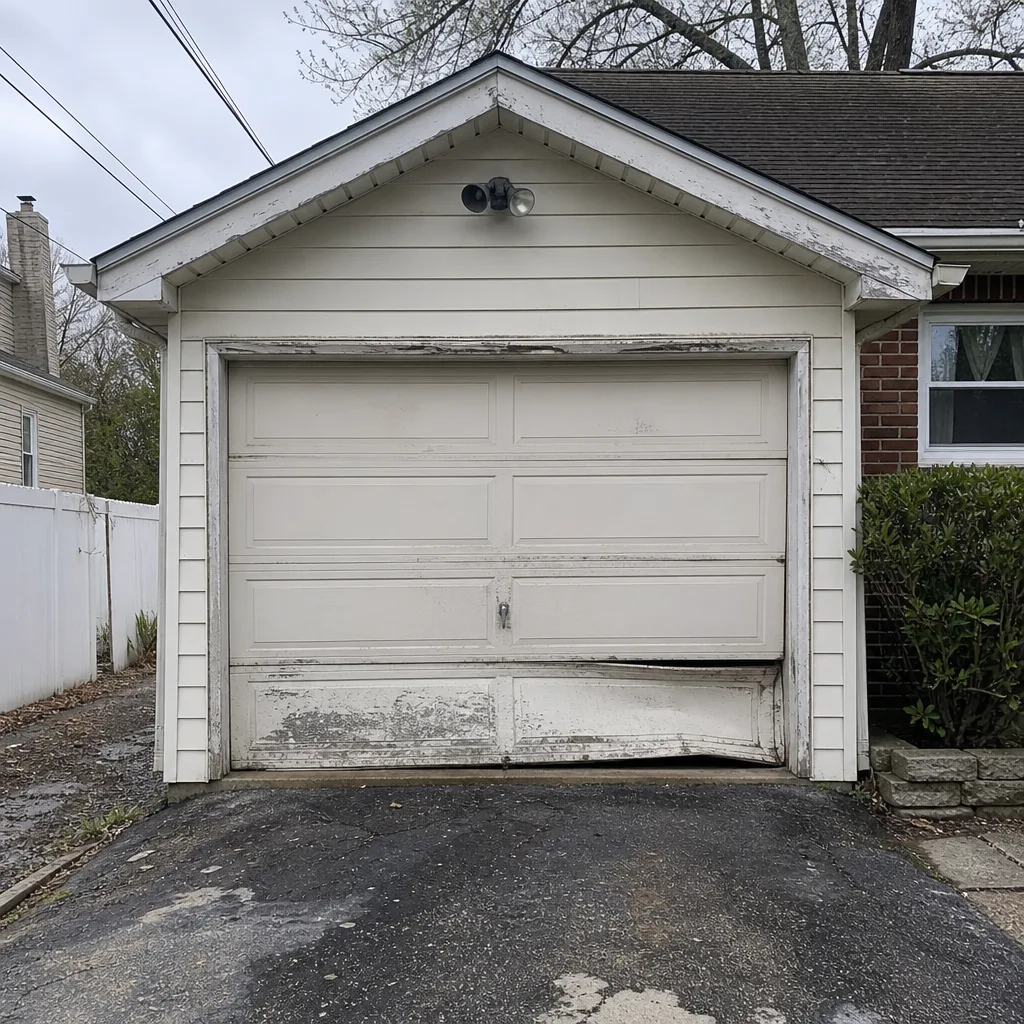 Before
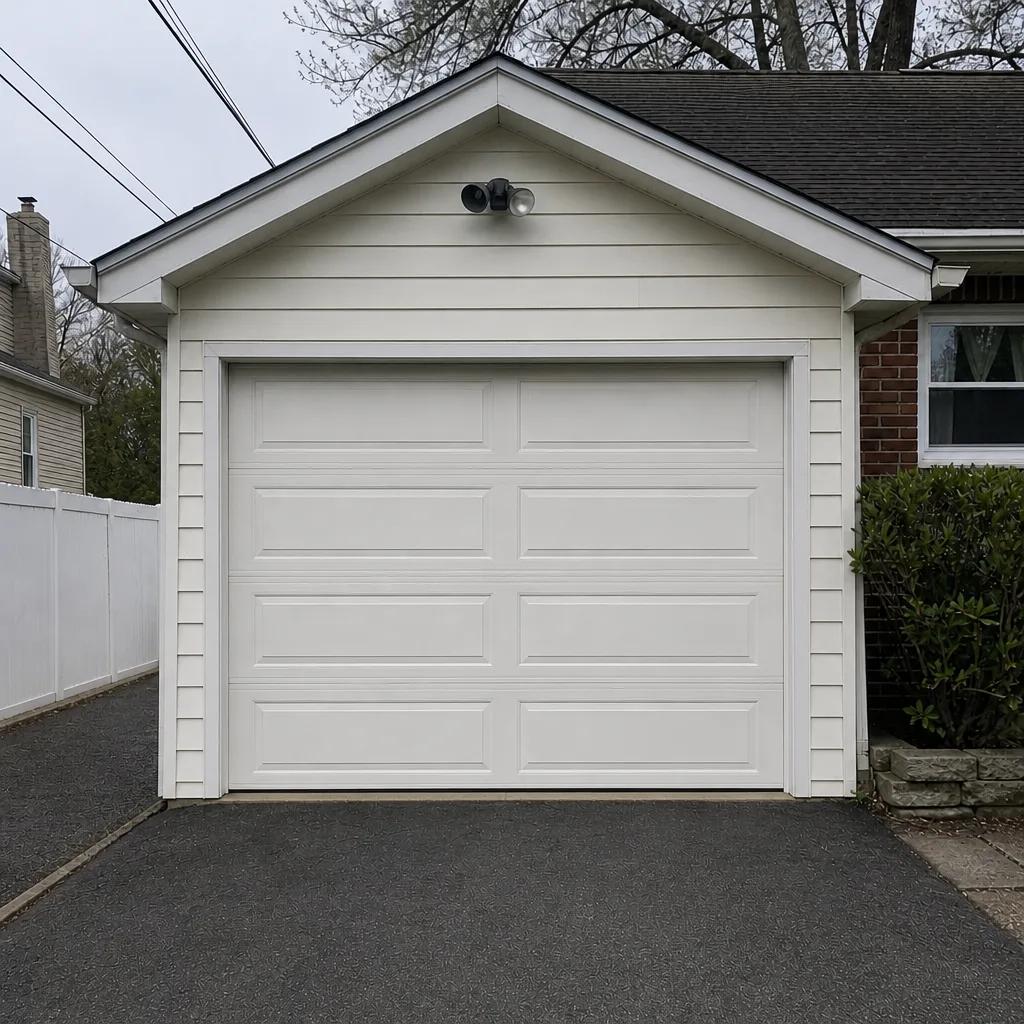 After
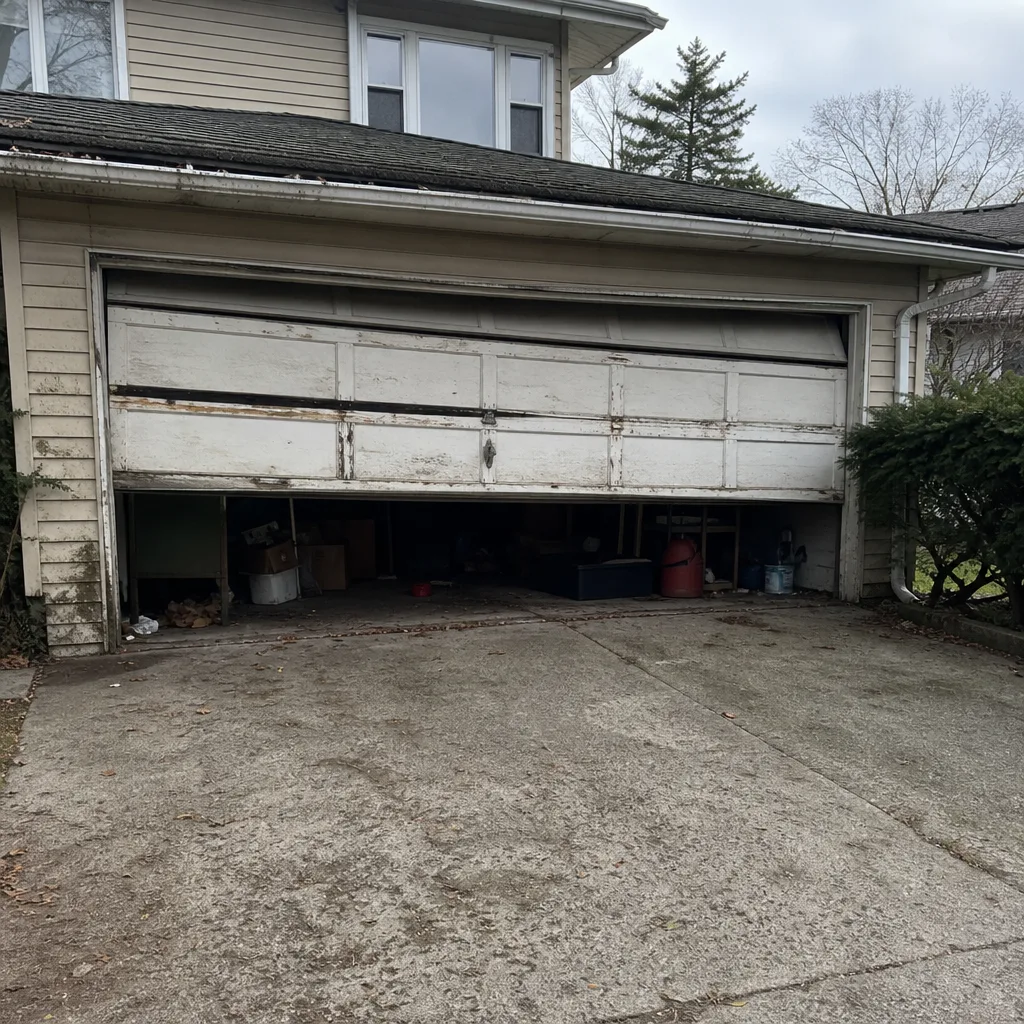 Before
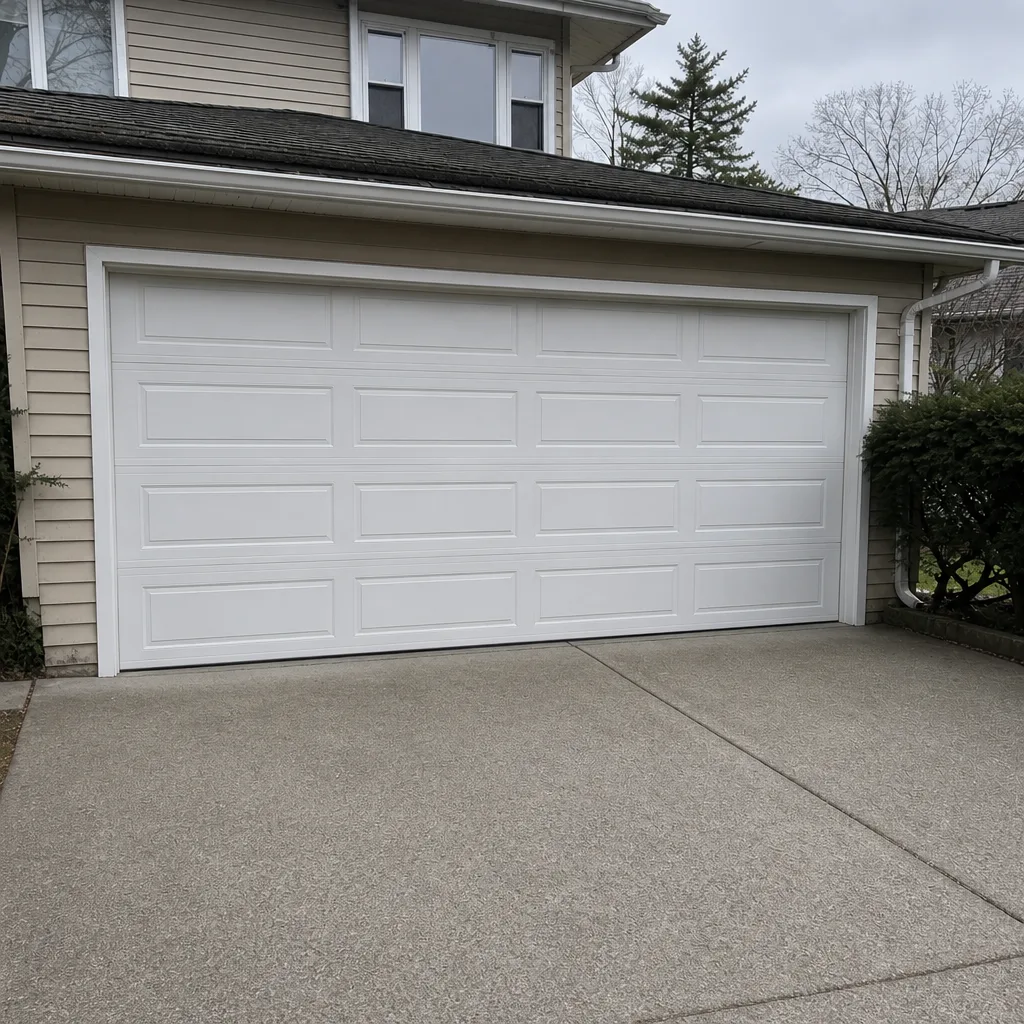 After
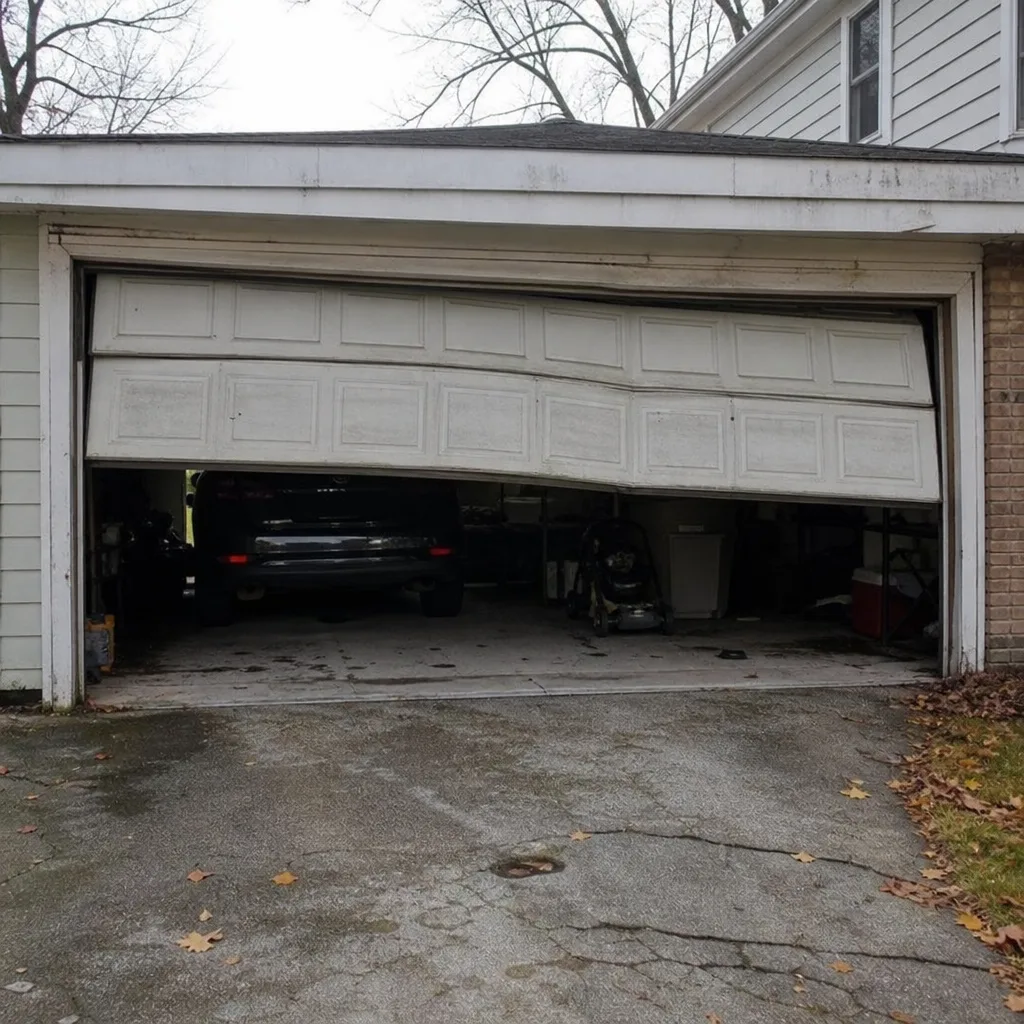 Before
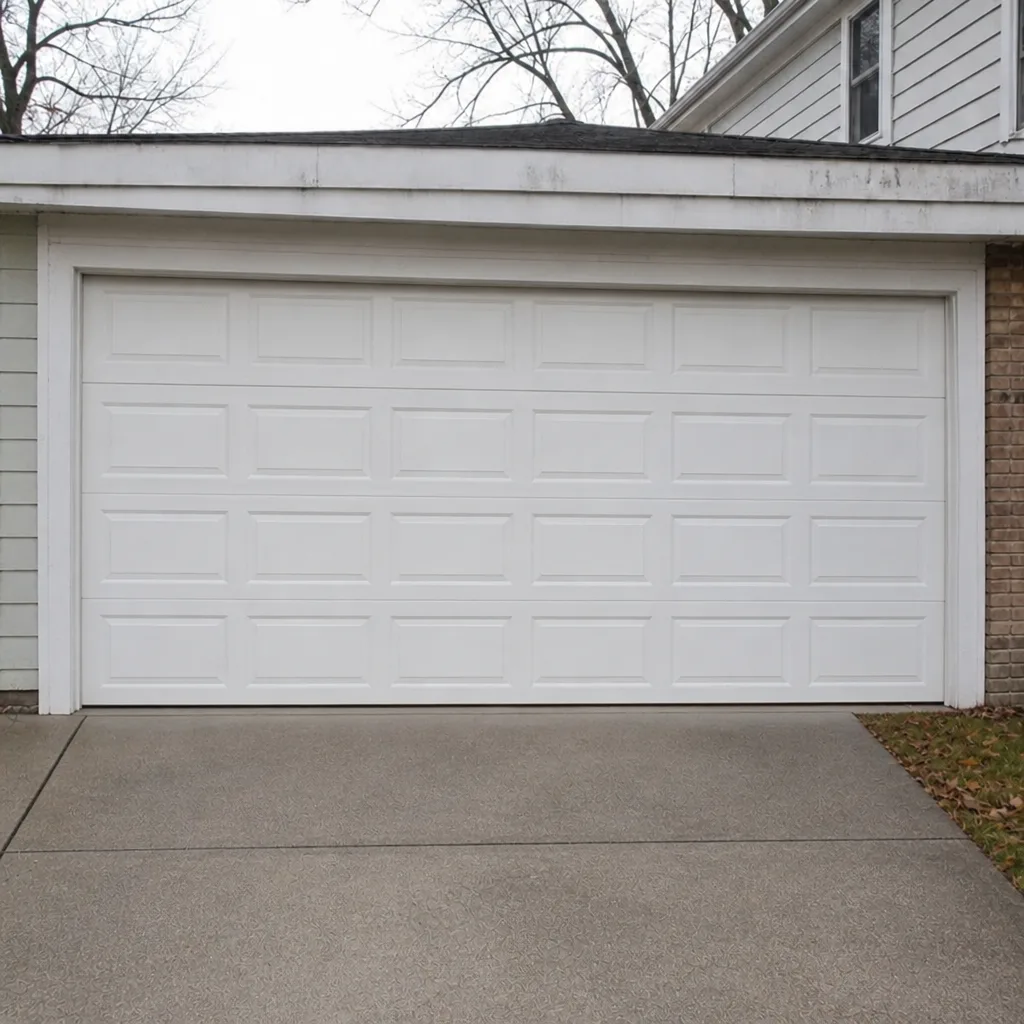 After
When to Call a Professional
Call a professional for anything involving high-tension springs, cables, or a door that’s jumped its tracks, and definitely before you touch the structure of the opening. Torsion and extension springs store an enormous amount of energy, and the wrong move can cause serious injury. That’s not a job to learn on. We handle spring repair as a dedicated service for exactly that reason, and we work on the door you have rather than steering you toward a replacement.
If a door is stuck, a car is trapped, or an opener has quit on a Raynor or LiftMaster unit, our garage door opener repair team can sort it out. We also offer emergency garage door service for urgent situations. For an estimate on repair, replacement, or a second opinion on whether your project needs a permit, call us at New Rochelle Garage Door Repair Co or dial (844) 385-8447. Free estimates in New Rochelle, and we’ll tell you honestly when a job is one we shouldn’t be running.
Frequently Asked Questions
Not always. A like-for-like door replacement in the same opening often doesn’t require a permit, but if the garage is attached and conditioned, a full door replacement can trigger New York State energy code review for insulation. Confirm with the City of New Rochelle Building Department before you order the door. If the replacement crosses into structural work, such as widening the opening, a permit is required. Call (844) 385-8447 for a free estimate on the door work itself.
No. A spring replacement is component work and does not require a permit from the City of New Rochelle Building Department. It’s the most common job we do, and it’s handled as a straightforward repair. Spring work is dangerous, though, so it’s not a DIY job. Call (844) 385-8447 for a free estimate and same-day service on a broken spring.
An attached garage in New Rochelle must have a fire-rated separation between the garage and the living space. That means the wall itself must resist fire spread, the door between them must be fire-rated, and the door must have self-closing and self-latching hardware so it can’t be left open. Any penetration through the wall must also be sealed. If your project touches that wall, the permit will require the separation to meet current code. Call us for repair work, and ask the Building Department about the code specifics for your assembly.
Yes. Unpermitted structural work on a garage can surface during a buyer’s inspection, a title search, or a records check at the City of New Rochelle Building Department, and it can become a negotiation item or stall a mortgage. It can also require costly remediation to bring the work to code. The fix is simple and early: pull the permit, close it out, and keep the paperwork. Call (844) 385-8447 if you need a repair done correctly.
Ask for the permit number in writing before work starts, then call the City of New Rochelle Building Department to confirm the permit exists, is active, and covers your scope. The contractor should also be named on the permit and should be the one who calls for the inspection. A contractor who skips permits on structural work is passing the liability to you, since the permit is in your name. Call (844) 385-8447 for an honest read on whether your job needs one.
No. Replacing or repairing a garage door opener, whether it’s a LiftMaster, Chamberlain, Genie, or Craftsman unit, is component work and doesn’t require a permit. It doesn’t alter the structure or the door opening. It’s still worth using a technician familiar with your brand, since wiring and safety reverse setup matter. Call (844) 385-8447 for a free estimate on opener repair or replacement.
The Bottom Line
In New Rochelle, the permit question comes down to one thing: are you changing the structure or just repairing the parts? A spring, cable, track, or opener repair needs no permit. Widening an opening, reframing a header, or touching the fire separation between an attached garage and the house does. The energy code, insulation thresholds, and fire separation rules only come into play when the work crosses that structural line. The other thing to remember is that the permit is in your name, so a contractor who skips it on structural work is leaving you the liability, not carrying it. Keep the door you have running with repair-first work, and pull the permit when the structure is actually changing.
Questions about a spring, opener, or a door that needs repair? Call New Rochelle Garage Door Repair Co at (844) 385-8447 for a free estimate. Our technicians have up to 13 years of experience, we work on the door you have, and every price is quoted and agreed before any work starts.
Written by the team at New Rochelle Garage Door Repair Co.