Last updated November 22, 2026
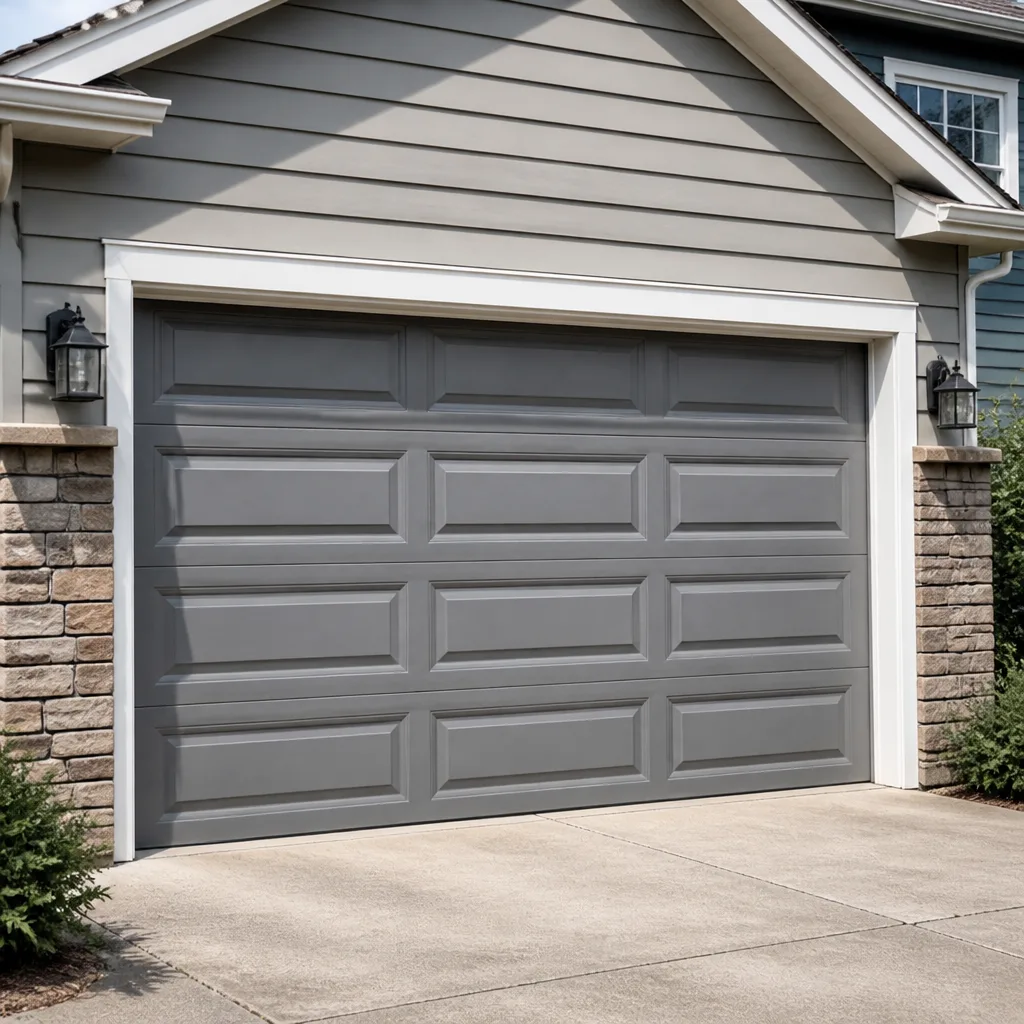 Raised-panel steel
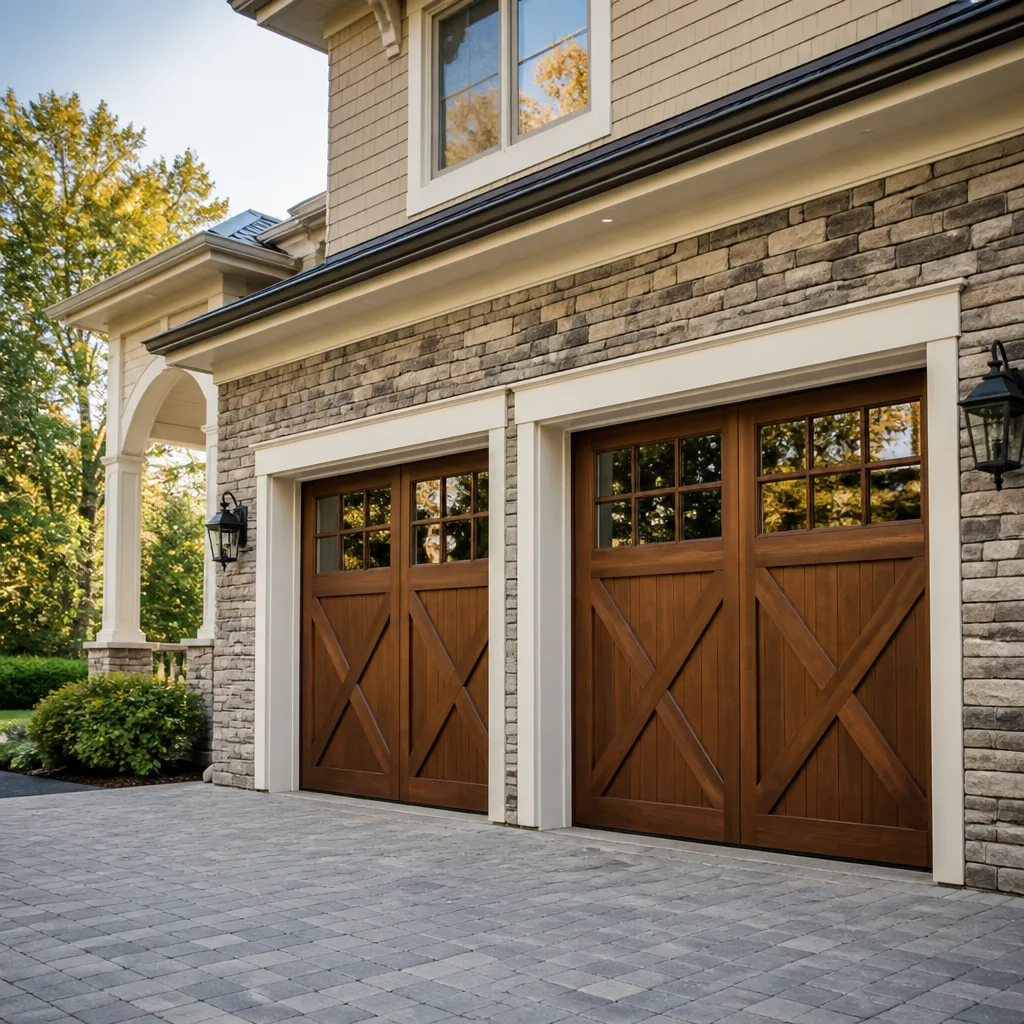 Carriage house
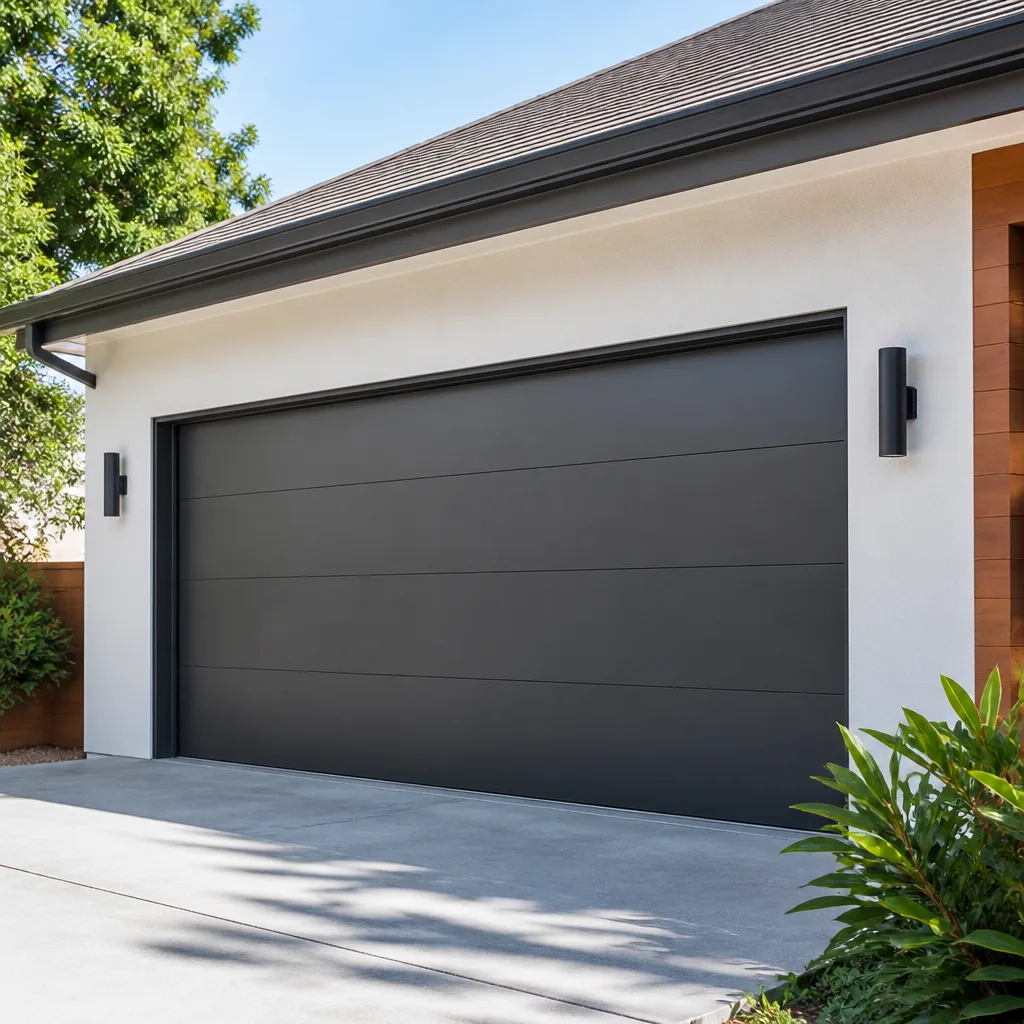 Modern flush
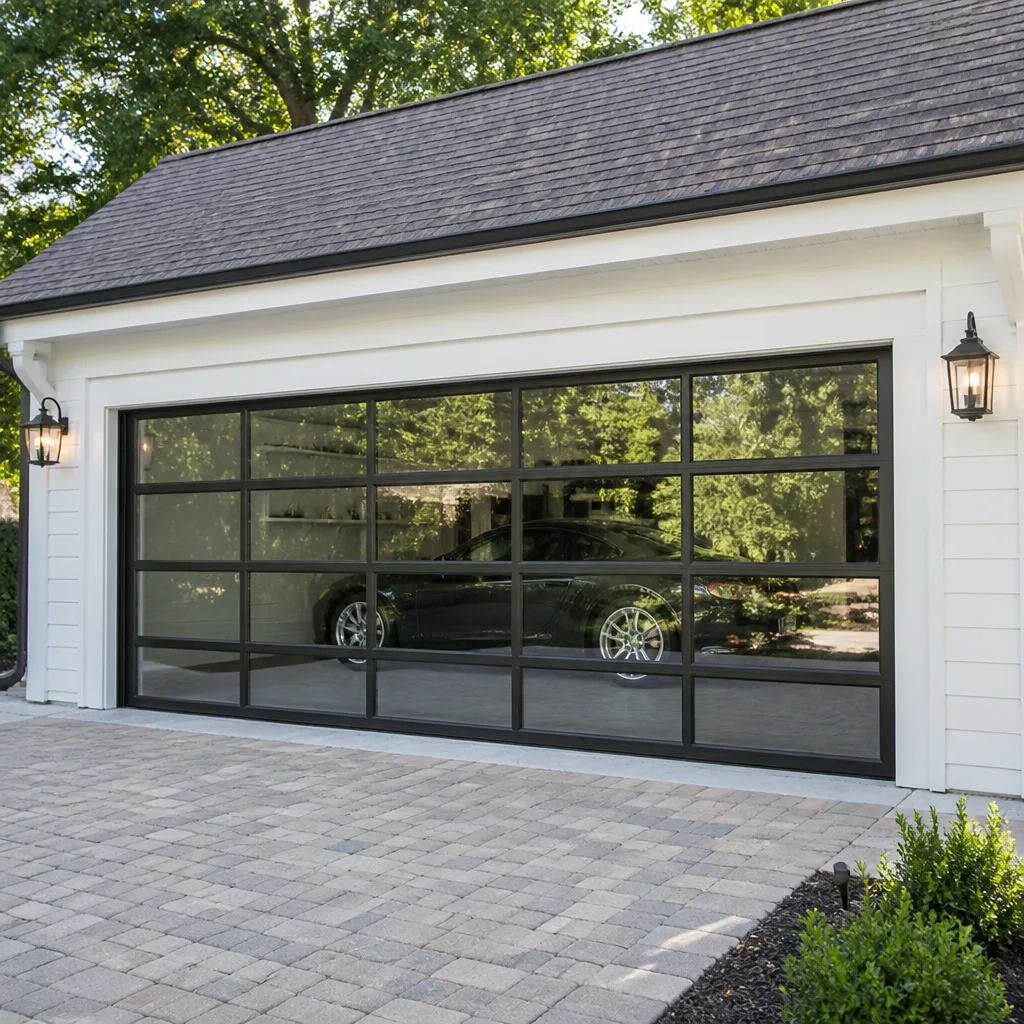 Full-view glass
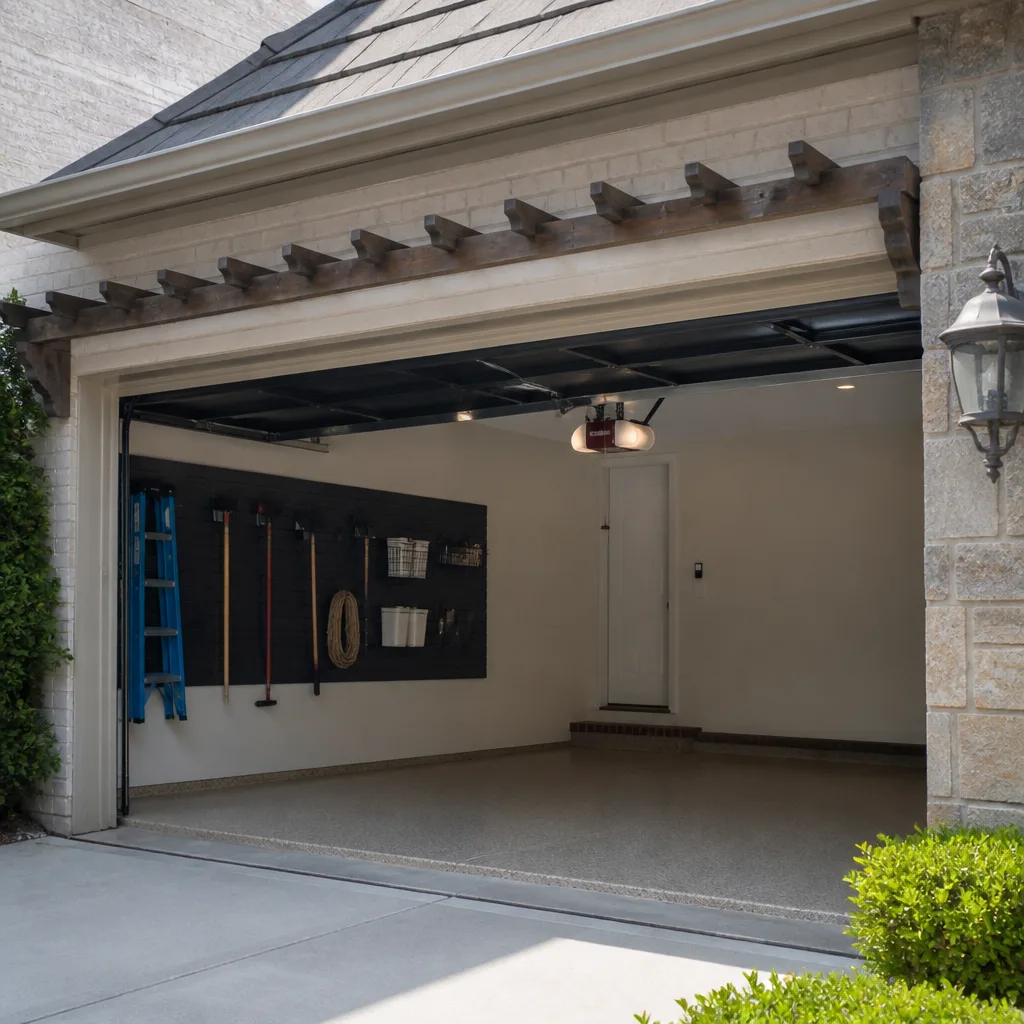 LiftMaster openers
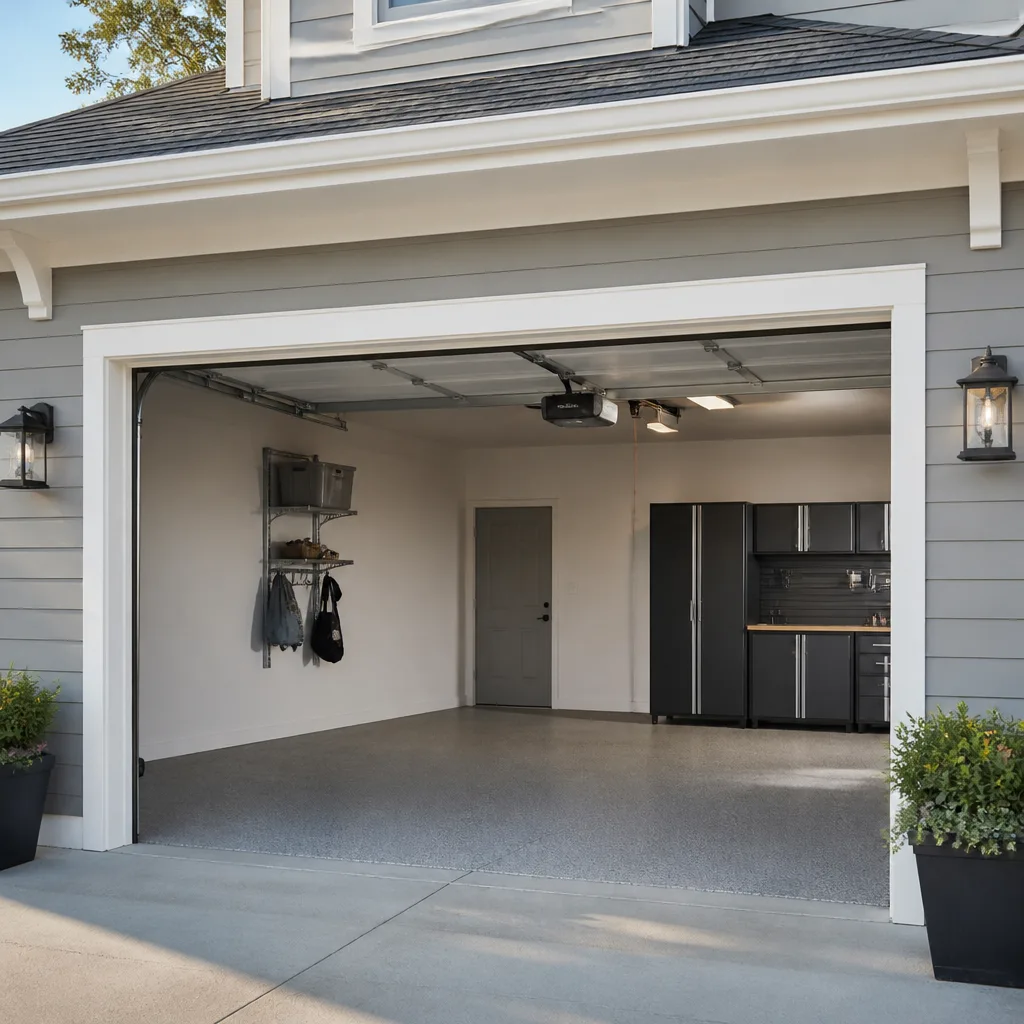 Chamberlain openers
Full 25-point door and opener safety check with every visit - springs, cables, rollers, tracks, and your LiftMaster or Chamberlain opener included
You get a price before we start. It does not change when the pro arrives.
Get your free estimateGarage Door Emergency Preparedness Guide for New Rochelle Homes
Trying to force a door down when a cable has snapped is the single most common way homeowners turn a cable repair into a door panel replacement. The door looks like it should close. It won’t, and pushing it makes it worse. A garage door carries hundreds of pounds of tension between its springs, cables, and hinges, and when one part lets go, the whole system is out of balance. Reading its behavior correctly in the first ten minutes is what separates a same-day fix from a multi-day replacement. This guide covers what to do and what to leave alone in each common emergency, how to secure an open door overnight in New Rochelle without creating a false sense of safety, and what to have ready when you call so the technician arrives with the right parts.
Quick Answer
If your garage door fails, stop operating the door and stop pulling the emergency release cord. A broken spring, snapped cable, or door off its tracks needs a trained technician before anything moves again. The safest move in most New Rochelle garage door emergencies is to leave the door where it is, secure the opening if it’s stuck up, and call for service so the failed component gets replaced rather than stress-loaded further. Forcing it is what converts a modest repair into a panel replacement.
Styles & brands we work with
- Raised-panel steel
- Carriage house
- Modern flush
- Full-view glass
- LiftMaster openers
- Chamberlain openers
Table of Contents
- Door stuck open: securing your New Rochelle home overnight
- Door stuck closed: when you’re trapped and when you’re not
- Broken spring: the loud bang and what it means
- Door off its tracks: why forcing it is a mistake
- Opener running but the door not moving
- Using the emergency release cord safely
- Storm damage: panel compromised or just cosmetic?
- What to have ready when you call
Door stuck open: securing your New Rochelle home overnight
A door left open is an exposure problem, but the biggest mistake we see is a homeowner stacking furniture against a panel that’s already under strain. New Rochelle gets cold January nights and warm, humid summers, and a door that stopped partway up is still supported by tension in the springs. If you push against it, you risk bending the top section or pulling a hinge loose.
Here’s how to secure the opening without touching the door’s mechanical parts:
- Leave the door exactly where it stopped. Don’t push it down, don’t pull it up.
- If the opening is a security concern, place a temporary panel (plywood cut to the opening, or a rigid board) inside the garage framing behind the door, not leaning against it.
- Park a vehicle directly inside the opening if you have room, but never touch the panel or any moving part.
- Lock any exterior man-door into the garage. That door is your real security barrier tonight.
- Move valuables and tools out of sight from the open bay.
- Call for emergency garage door service and describe exactly what happened.
What doesn’t work: a chair wedged under a panel, a rope looped around the bottom bracket, or a broom handle propped diagonally. These create a false sense of security and can damage a panel that might otherwise be repairable. A temporary board in the interior framing is sturdier and won’t stress the door. If your door is a heavy wood model – common in older New Rochelle homes near the downtown corridor – even a small board against the track is a bad idea, because wood panels weigh considerably more and the force of a slip is higher.
The bigger picture: a door stuck open overnight in an emergency is fixable. A door stuck open and physically abused by a homeowner trying to force it down often isn’t. The panel takes a structural hit, the track bends, and what would have been a spring replacement becomes a door replacement. Our garage door spring repair team handles these calls routinely, and the difference between a repair and a replacement is usually which decision the homeowner made in the first five minutes.
Door stuck closed: when you’re trapped and when you’re not
If your car is trapped inside the garage and you need it, the first question is whether the door itself is jammed or whether the opener failed. Those are two different problems with two different responses, and only one of them might be safe to work around.
Run through this before doing anything else:
- Did the opener make a sound? A whirring or clicking opener with no door movement usually points to a stripped gear, a broken drive belt, or the opener’s travel limit. The door itself may still be balanced and safe to move manually.
- Was there a loud bang? If so, treat it as a broken spring until proven otherwise. Do not move the door with the release cord.
- Did the door come down hard? A door that dropped rather than descended has probably lost cable tension or the spring. Don’t try to lift it.
- Does the door move freely by hand with the release engaged? Half an inch of gentle push tells you whether the door is balanced. If it won’t budge or feels heavier than half its normal weight, stop immediately.
In most New Rochelle garage door emergencies where the door is closed but won’t open, the opener is the failure point. If you’ve confirmed the door is balanced and the release disconnects the opener from the carriage, you may be able to raise the door manually and secure it in the up position for now. But that’s a judgment call, and a door that comes down on a person is a serious injury. If you’re unsure, call. Our garage door opener repair work covers the opener side, and we can usually tell you over the phone whether it’s safe to try a manual lift.
If you’re not trapped and the door can stay closed, leave it. A door in the wrong position but under control is safer than a door that got moved and then had to be stopped halfway by hand. In a New Rochelle home with a low-clearance ceiling or a tight single-car bay, there’s no room to slow a falling door. Waiting a few hours for a technician is the better outcome.
Broken spring: the loud bang and what it means
A torsion spring breaking sounds like a gunshot inside the garage. A neighbor across the street may hear it, and the door suddenly feels impossibly heavy. That’s because torsion springs carry the door’s entire lifting weight and, when they snap, that weight transfers entirely to you or to the opener. Extension springs break with a similar crack but usually with more movement, since they run alongside the track rather than above the door.
What to do when you hear the bang:
- Stay clear of the door. Don’t touch it, look under it, or try to lift it.
- Check that nothing is hanging loose. A broken spring can throw the safety cable, and a loose piece of spring steel is a cutting hazard.
- Don’t pull the emergency release cord. With a broken spring, releasing the opener means nothing is holding the door up but the tracks, and it can come down on a person or vehicle.
- Leave the tugging to the opener. Don’t run the opener again; it’ll strain the motor and possibly burn out the control board.
- Call for spring repair. Our garage door spring repair team treats each spring replacement as a matched-set job when needed, because a replaced spring paired with a worn one runs out of balance quickly.
Springs are the one garage door component we don’t advise any homeowner to touch. A torsion spring under load stores an enormous amount of energy, and the tools required to safely release tension aren’t common household equipment. Even experienced DIY homeowners have lost fingers and worse by underestimating torsion spring force. This is genuine safety territory, not a caution line added for liability. Call a trained professional for spring work, every time.
For a New Rochelle home, cold snaps matter here. Springs weaken with thermal cycling, and the first hard freeze after a mild stretch is when old springs tend to fail. If your door has been making a creaking or popping sound in cool weather, that’s a sign the spring is stressed and worth an inspection before it snaps in the middle of January. The quoted price for a replacement spring is usually far lower than the cost of a door that came down hard enough to bend a panel.
Door off its tracks: why forcing it is a mistake
A door off its tracks looks like a door you could lift back into place with enough effort. It isn’t. The tracks are calibrated to the door’s rollers, the rollers are held in by brackets under load, and a door that’s slipped off one side has usually bent the vertical track in the process. Pushing it back makes that bend worse, and a bent track rarely accepts the door cleanly again.
A door off-track happens in a few situations:
- A vehicle backed into a closed door.
- A roller bracket failed or worked loose.
- One cable snapped and the door dropped unevenly.
- A track got hit hard enough to deflect during a storm.
The visible sign is a door sitting crooked in the opening, with one side lower than the other or a gap on one edge. Sometimes a roller is visibly out of its channel. Either way, don’t force the door down or up. Leave it where it is, secure the opening from the inside with what you have, and call for repair. The track, the roller brackets, and the cable all need to be checked, because a door off-track is almost always a symptom of something upstream letting go. Forcing the door can bend the panel hinges, the panel itself, or both.
In our experience, a door off its tracks after a light impact is usually a track and roller repair. A door off its tracks after a cable snapped is a cable, spring, and often track repair. Push the door yourself and it’s frequently a replacement panel as well. That’s the whole reason this section exists.
Opener running but the door not moving
The opener runs, the door stays put, and there’s no obvious bang or damage. This is the most common New Rochelle garage door opener problem we get calls about, and it’s often a straightforward fix. The cause is almost always one of four things:
- The carriage is disconnected. Someone pulled the release cord and didn’t re-engage it. The opener moves freely but pulls nothing because the carriage is idling on the rail.
- The opener’s gear is stripped. Common on older units, especially Chamberlain and Craftsman openers with nylon drive gears. The motor spins, the gear doesn’t engage.
- The opener’s safety reverse is tripped. A misaligned photo-eye (the small sensors near the door’s bottom corners) will stop a door from closing mid-travel. If the opener runs and stops before the door reaches the floor, suspect the eyes.
- The door is mechanically bound. A seized hinge, a bent track, or a roller out of its channel stops the door while the opener runs against it.
You can safely check the photo-eyes: look for a light on each sensor and clear any obstruction (spiderwebs, a hanging broom, a fallen leaf or two). You can safely check whether the release cord is engaged. Beyond that, opener internals are best left alone – a stripped gear replacement on a LiftMaster or Genie unit is a technician job, and most of our diagnostic work on garage door opener repair calls starts by confirming which of the four above is the cause. Get the brand and model number off the opener housing before you call, and the diagnostic speed goes up considerably.
Using the emergency release cord safely
The emergency release cord, the red handle usually hanging from the opener rail, disconnects the door from the opener so it can be raised by hand. It is not a general-purpose “make it work” cord. It’s designed for one job: freeing the door when the opener loses power or fails, so you can open by hand and re-engage once power returns.
Before you touch it, understand this: the cord only disconnects the opener. It does not weaken the spring. It does not reduce the door’s weight. A door with a broken spring is exactly as heavy with the cord pulled as without it, and that spring is what was carrying the door. Pull the cord with a broken spring and you’re lifting the door’s full weight while the door’s overhead track gives it only one direction to go: down.
When pulling the cord is reasonable:
- The opener has failed but the door is otherwise balanced and undamaged.
- You have tested the door’s weight by gently lifting it a few inches by hand and it moves smoothly.
- You have a second person to help, and you’ll lift slowly and stop if anything feels wrong.
When you should not pull the cord:
- You heard a bang or snap. Treat it as a spring failure.
- The door is visibly off its tracks.
- A cable is hanging loose.
- The door feels unusually heavy even with the cord engaged.
- You’re alone.
Once the door is up and secure, do not leave the carriage disconnected. Re-engage it (most carriages slide back to the opener on the way down and click back into place) so the next time the opener runs, it actually moves the door. A disconnected carriage that stays that way is fine for one power outage and a bad idea long-term.
Storm damage: panel compromised or just cosmetic?
New Rochelle sees its share of wind damage from summer storms and ice buildup in winter. Telling a panel that needs replacing from a panel that’s structurally fine is often the difference between a quick repair and a full door replacement. Hail isn’t a real local issue here; the more common impact sources are windblown debris, branches, and the force of a door driven into something.
How to check a panel from the outside without touching it:
- Stand back ten feet and check alignment. A structurally compromised panel usually sits out of vertical alignment with the panels around it. The gap at one edge is wider than the gap at the other.
- Look at the seams between sections. A compromised panel tends to have a gap or buckle at the seam where it meets the panel above or below.
- Check the panel surface for oil-canning. This is the “popped” look on steel doors where the surface flexes inward or outward. A dent with a crease usually means structural damage. A soft dent without a crease is more often cosmetic.
- Look at the bottom seal and the sides. If the bottom seal is intact and the door’s sides still flush against the weather seal, the door’s structural frame is likely intact. If there’s daylight at the bottom or a gap at one side, more has moved than just a surface panel.
- Check the hinges. A panel that’s twisted usually has one hinge that’s visibly bent or one hinge bracket pulled away from the panel.
If any of the above point to structural damage, do not run the door. A compromised panel is one that has lost the ability to carry its share of the door’s load, and running it can turn a panel replacement into a full door. If the damage looks cosmetic and the door runs smoothly, it’s safe to use until a technician can inspect. Clopay and Amarr steel panels in particular look less damaged than they are when a crease runs along a stiffening rib – that’s a structural crease, not a cosmetic dent, even if it looks small.
For storm damage, take photos from outside and inside before you call. They give the technician a head start on parts and can sometimes support a claim with your homeowner’s insurer if wind damage was the cause. We can work with your insurer if that’s the direction you’re headed. Our garage door repair team handles panel and track damage on the brands above routinely.
What to have ready when you call
When you call for emergency garage door service in New Rochelle, the two minutes you spend gathering information cuts the diagnostic time on site considerably and lets the technician arrive with the right spring, cable, or panel on hand. Here’s what we ask for on every emergency call:
- Door brand and model if visible. A sticker on the inside of the door usually carries both. We service Clopay, Amarr, Wayne Dalton, Raynor, and other brands; knowing yours tells us which brackets and hinges to expect.
- Opener brand and model. LiftMaster, Chamberlain, Genie, and Craftsman are common in New Rochelle homes. The model sticker is on the opener housing, usually facing into the garage. This is the single most useful detail for opener calls.
- What you heard or saw. A loud bang, a grinding noise, a door that dropped fast, a door that stopped halfway up – each describes a different failure mode.
- What you’ve already tried. If you pulled the release cord or forced the door, mention it. That information changes the diagnosis.
- Whether the door is stuck up or down, and whether a vehicle is trapped. This drives the priority and the response.
- Whether anything is hanging. A loose cable or spring coil is a safety hazard and needs to be flagged before anyone arrives.
- Your address and how to access the garage. For a New Rochelle home on a narrow street or in a building with a shared driveway, that saves time when the technician arrives.
If you can, take a couple of photos and have them ready to send. A photo of the door’s position in the opening and of the opening mechanism on the opener tells a lot. The other thing to know before you call: pricing on emergency work is quoted before any work starts, and a written estimate is what you agree to. Our technicians have up to 13 years of experience with the brands listed above, and our New Rochelle Garage Door Repair Co team is set up for urgent same-day service when the door needs to be back in use.
Common Mistakes to Avoid
- Forcing a stuck door down or up. The single biggest driver of panel replacement calls in New Rochelle. When the door is bound, the panel takes the force you put into it, and steel or wood panels don’t recover from that.
- Pulling the emergency release cord on a door with a broken spring. The cord frees the opener, not the spring. With a broken spring, the door’s full weight is coming down on the track, and gravity takes it from there.
- Running the opener to “see if it works now.” Every cycle on a broken spring or snapped cable stresses the opener motor, the control board, and the drive gear. What might have been a spring replacement becomes a spring and opener replacement.
- Using a chair, broom, or piece of furniture to prop an open door. A door that’s already out of balance can shift, and anything under a moving door panel is a serious injury hazard. Secure the opening from inside instead.
- Assuming a smaller local company can’t handle your brand. Most door and opener brands are serviceable by any trained technician. The advantage of a brand-fluent shop is that the diagnostic path is known, not that other shops can’t touch it.
- Buying a replacement door before confirming the repair is truly beyond fixing. In our experience, most emergency calls that look like replacement candidates are fixable once the failed part is identified. Get a diagnosis before you commit to a new door.
- Waiting to call until the door is unrepairable. A creaking spring or a slow-opening door is a warning, not a problem. Call in the warning phase and the repair usually costs far less than the emergency call after the spring snaps.
See the difference
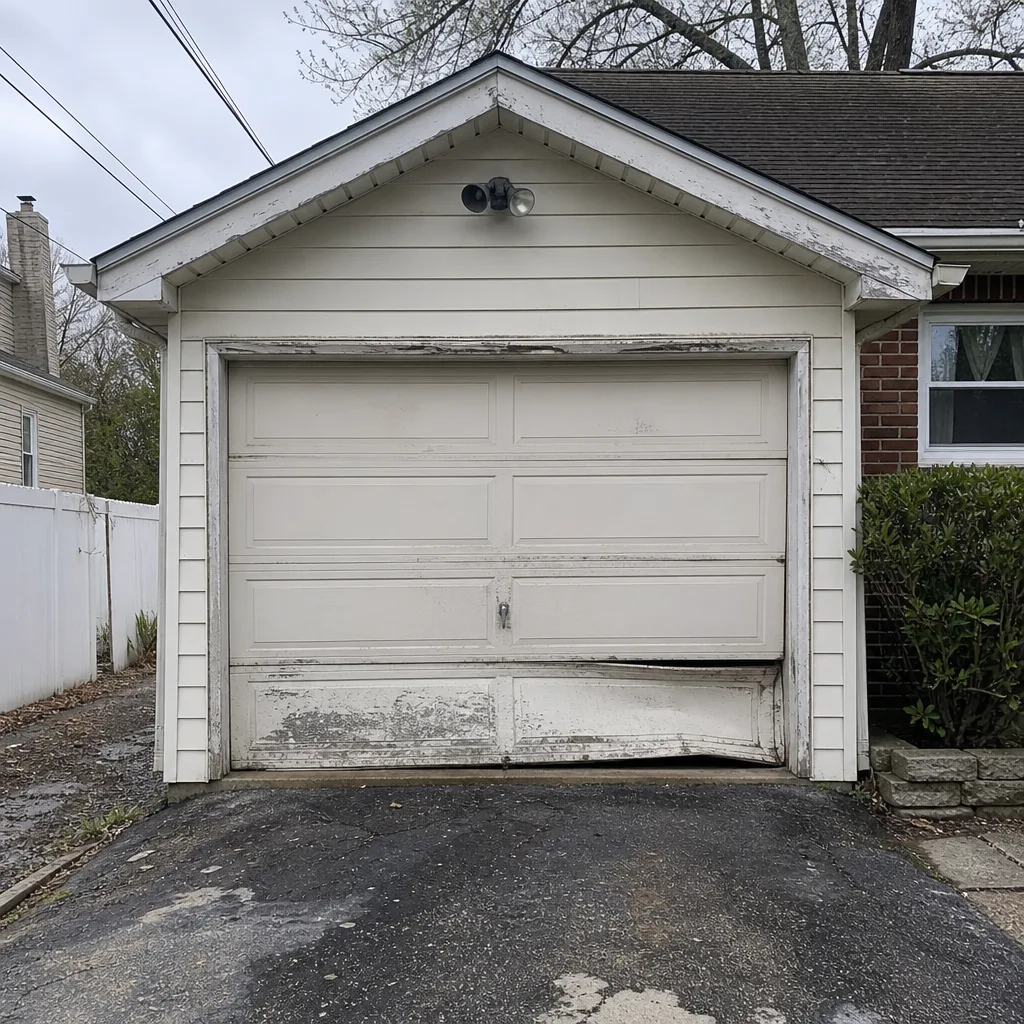 Before
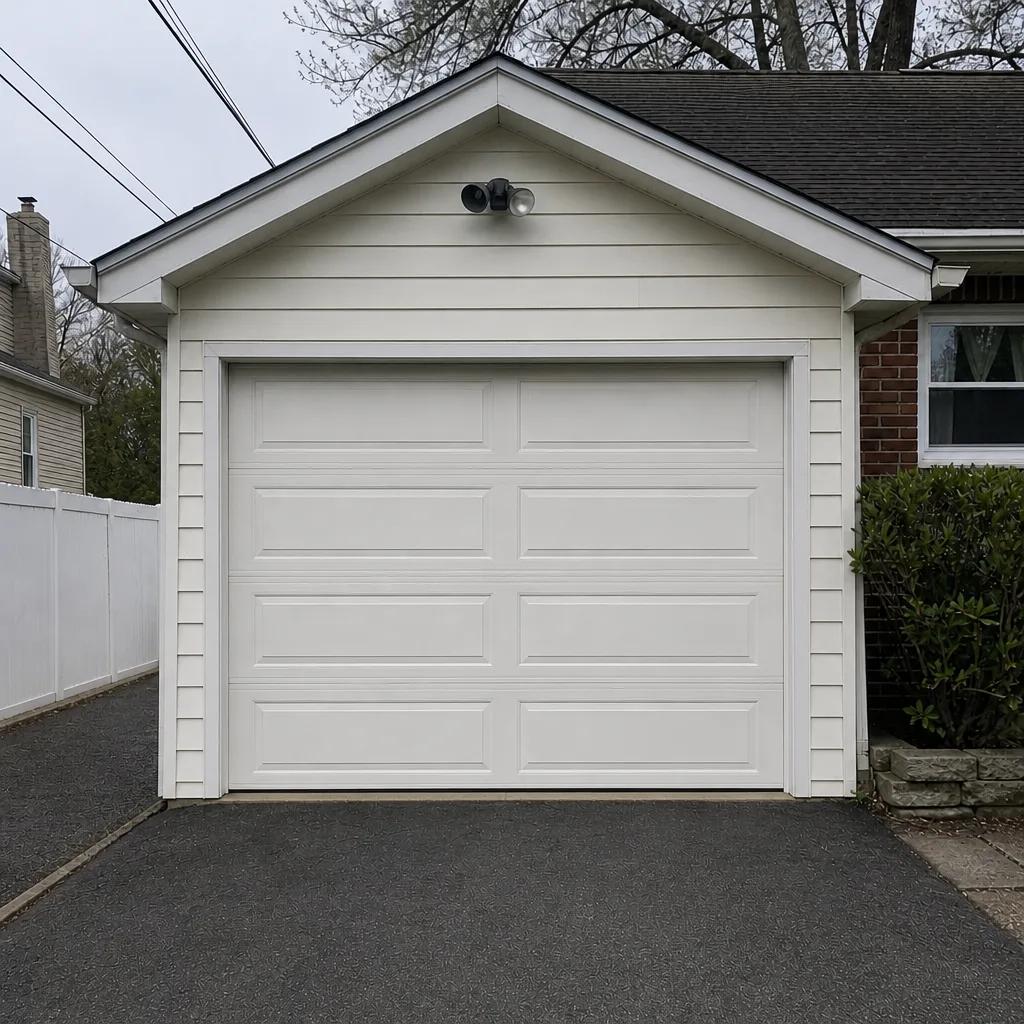 After
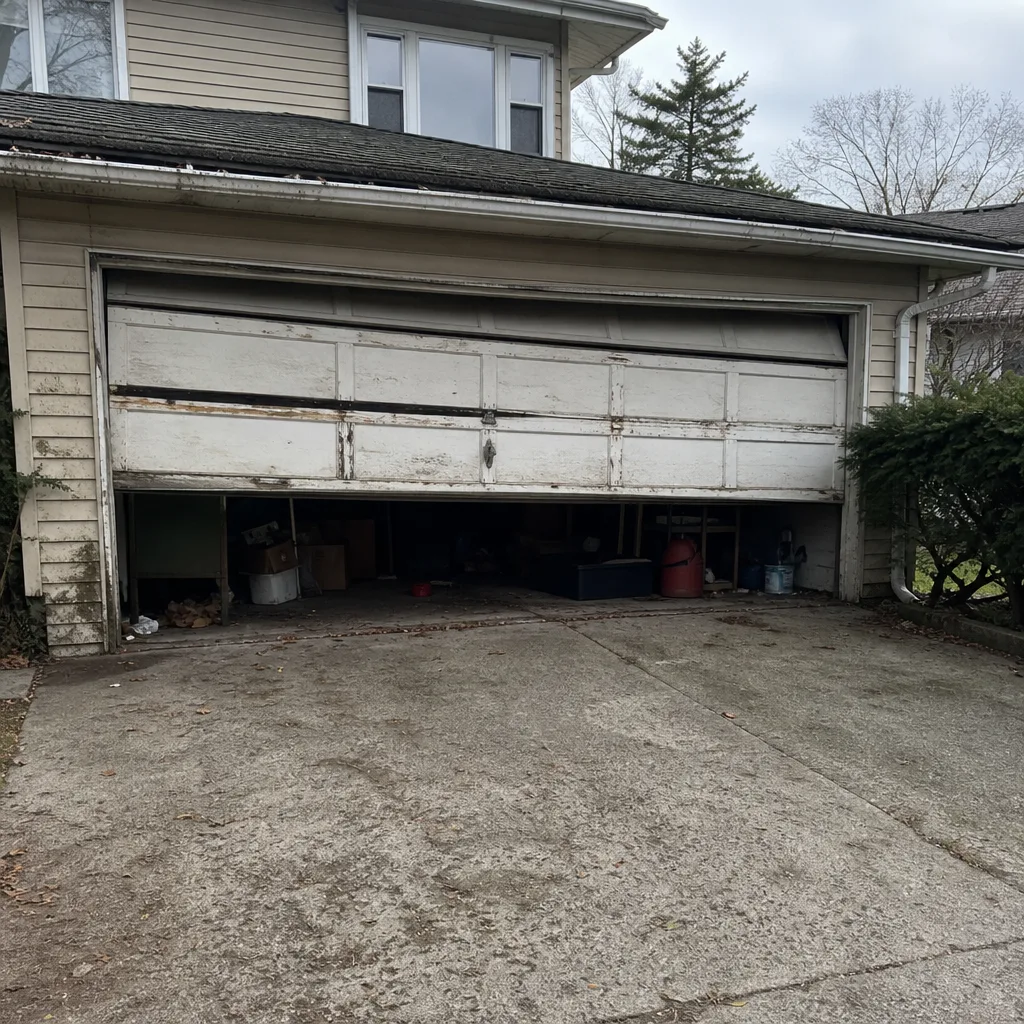 Before
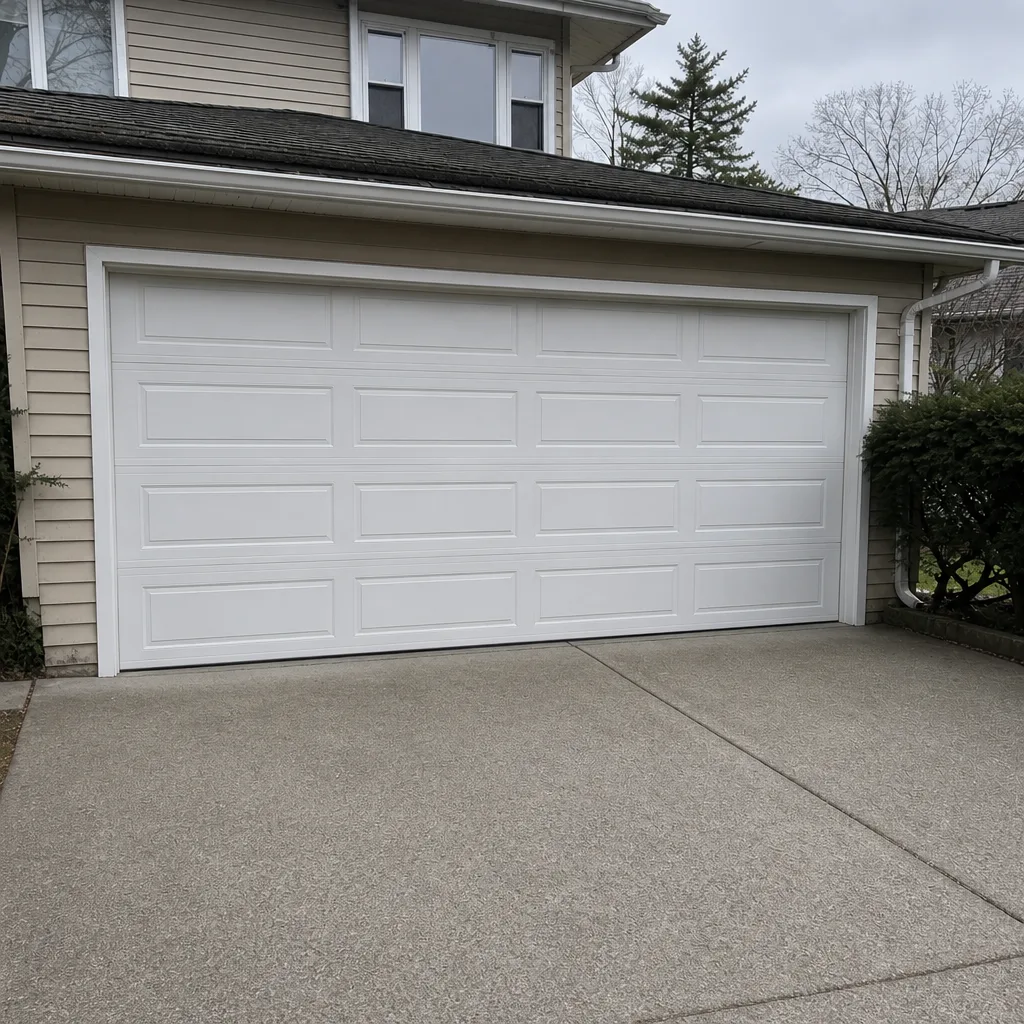 After
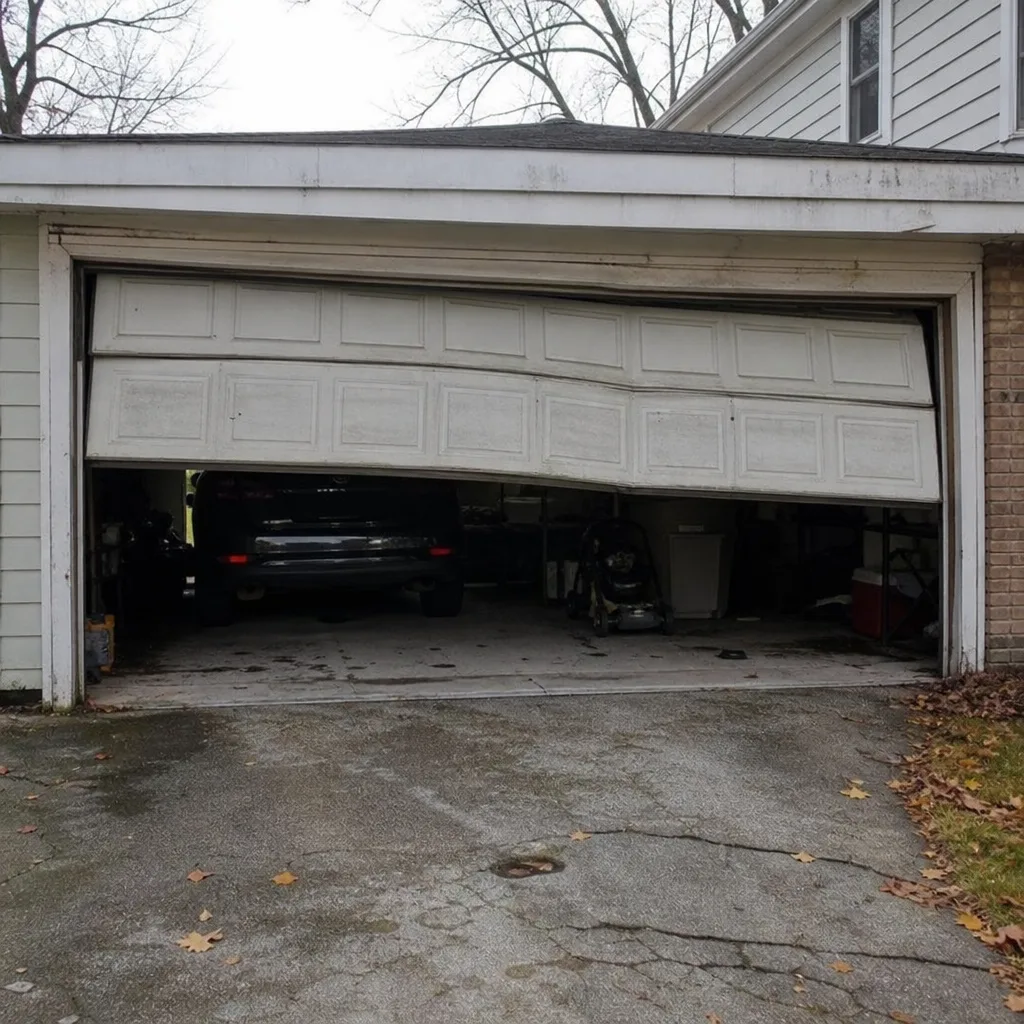 Before
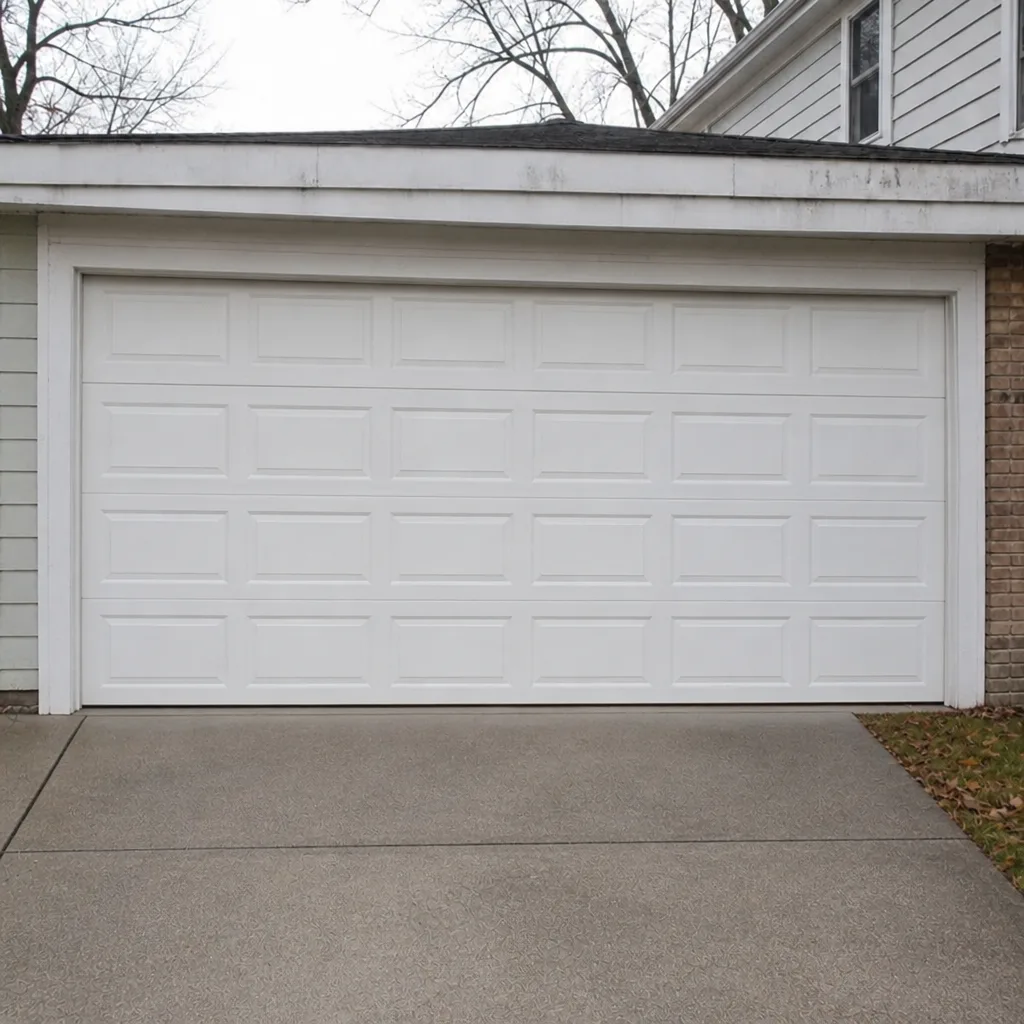 After
When to Call a Professional
Call for professional garage door service when any of these is true: you heard a bang or snap, the door is off its tracks, a cable is hanging loose, the door feels heavier than usual, or a spring is visibly broken with a coil hanging out of the housing. Also call if the door is stuck open overnight and you need the opening secured properly, or if the opener runs but the door doesn’t move and the photo-eye check didn’t fix it. Any of those means a failed component, and the door is one wrong move from a bigger repair.
New Rochelle Garage Door Repair Co offers free estimates in New Rochelle – call (844) 385-8447. Our technicians have up to 13 years of experience, we service eight major door and opener brands, and our emergency service is built for exactly these situations. Spring repair done safely, opener diagnostics that don’t default to replacement, and a written quote before any work begins. We work on the door you have.
Frequently Asked Questions
Stop operating the door and don’t pull the emergency release cord. A broken spring means nothing is holding the door’s weight, and the door can come down on a person or vehicle. Leave the door in place, secure the opening from the inside if it’s stuck up, and call for spring repair. Our garage door spring repair team handles this every week, and the repair is much less expensive than a door that came down hard enough to bend.
Only if the door is balanced and undamaged. Engage the release cord, then gently lift the door a few inches by hand to test its weight. If it moves smoothly and doesn’t feel heavier than about half its normal weight, you can likely raise it manually. If it’s stiff, heavy, or drops back on its own, stop and call for service. A door that fails the weight test has a mechanical problem, not an opener problem.
Overnight is fine if you’ve secured the opening properly and nothing else is at risk. The bigger risk is the door itself falling or shifting, not the door being open. Place a temporary board inside the garage framing (not leaning against the panel), lock the exterior man-door, and clear valuables from sight. Then call for emergency service so the door gets fixed, rather than leaving the opening boarded for days.
It depends on the cause and your policy, and we can work with your insurer on the claim side. Wind damage from a storm is usually covered, while damage from a door forced by a homeowner often isn’t. Take photos from outside and inside the garage before anything moves, and keep them ready if you’re filing. We’ll provide the written estimate your insurer will ask for.
We’re factory-familiar with LiftMaster, Chamberlain, Genie, Clopay, Amarr, Wayne Dalton, Craftsman, and Raynor, and we service many other brands as well. Whether your opener is a LiftMaster smart unit or a legacy Craftsman chain drive, the diagnostic path is known. Give us the make and model off the sticker when you call and we’ll arrive prepared.
No. The written estimate you agree to before work begins is the price. What we do on arrival is diagnose the actual failure and confirm the quoted scope, and if the scope is different from what was discussed by phone, you’ll get a revised estimate before any work starts. Nothing is charged without your approval. Call (844) 385-8447 for a free estimate.
The Bottom Line
Most New Rochelle garage door emergencies get worse in the first ten minutes, and the fix is almost always the same: stop operating the door, leave the failed component alone, and call for service. A broken spring, a snapped cable, a door off its tracks – each one is a repair when it’s left alone and a replacement when it’s forced. Secure the opening if the door is stuck up, test the door’s weight carefully if the opener has failed, and have the door brand, opener model, and a description of what you heard ready when you call. Call (844) 385-8447 for a free estimate and same-day emergency service.
Written by the team at New Rochelle Garage Door Repair Co.