Last updated November 22, 2026
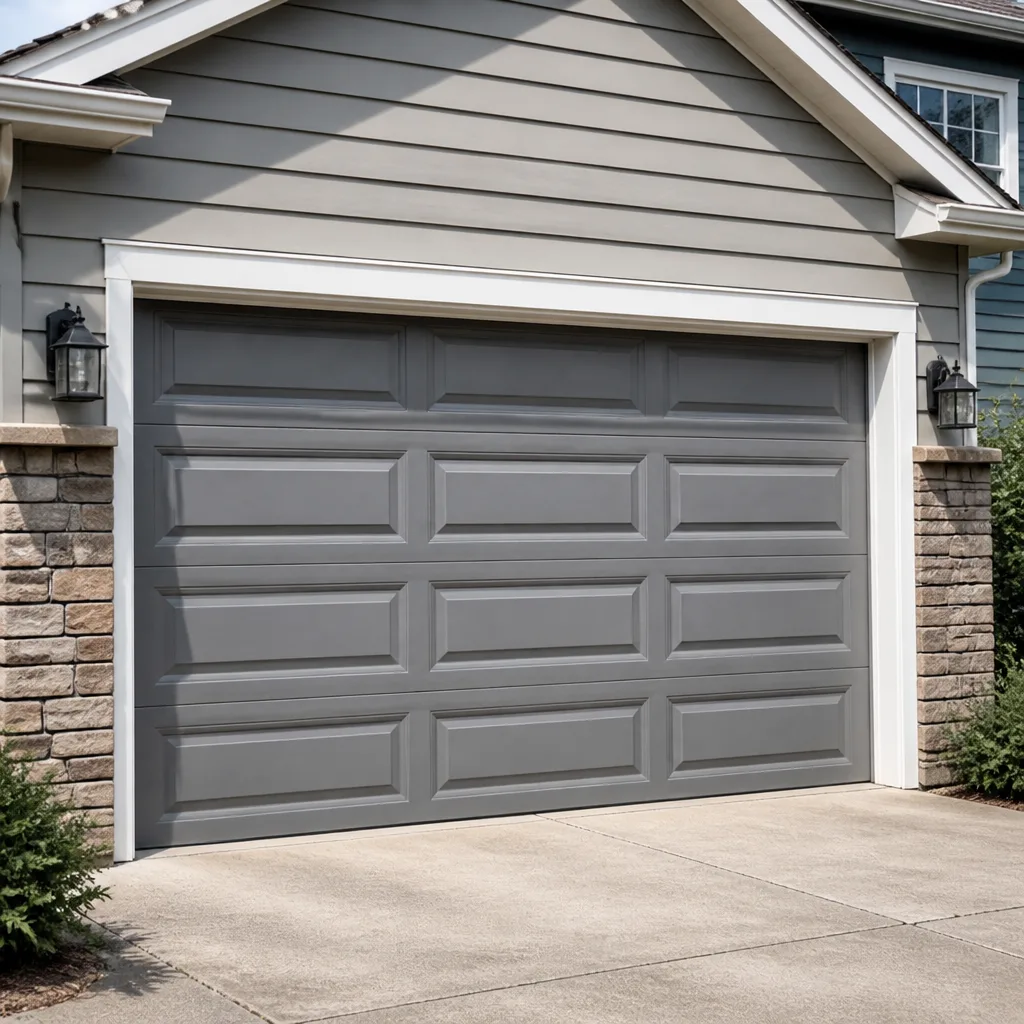 Raised-panel steel
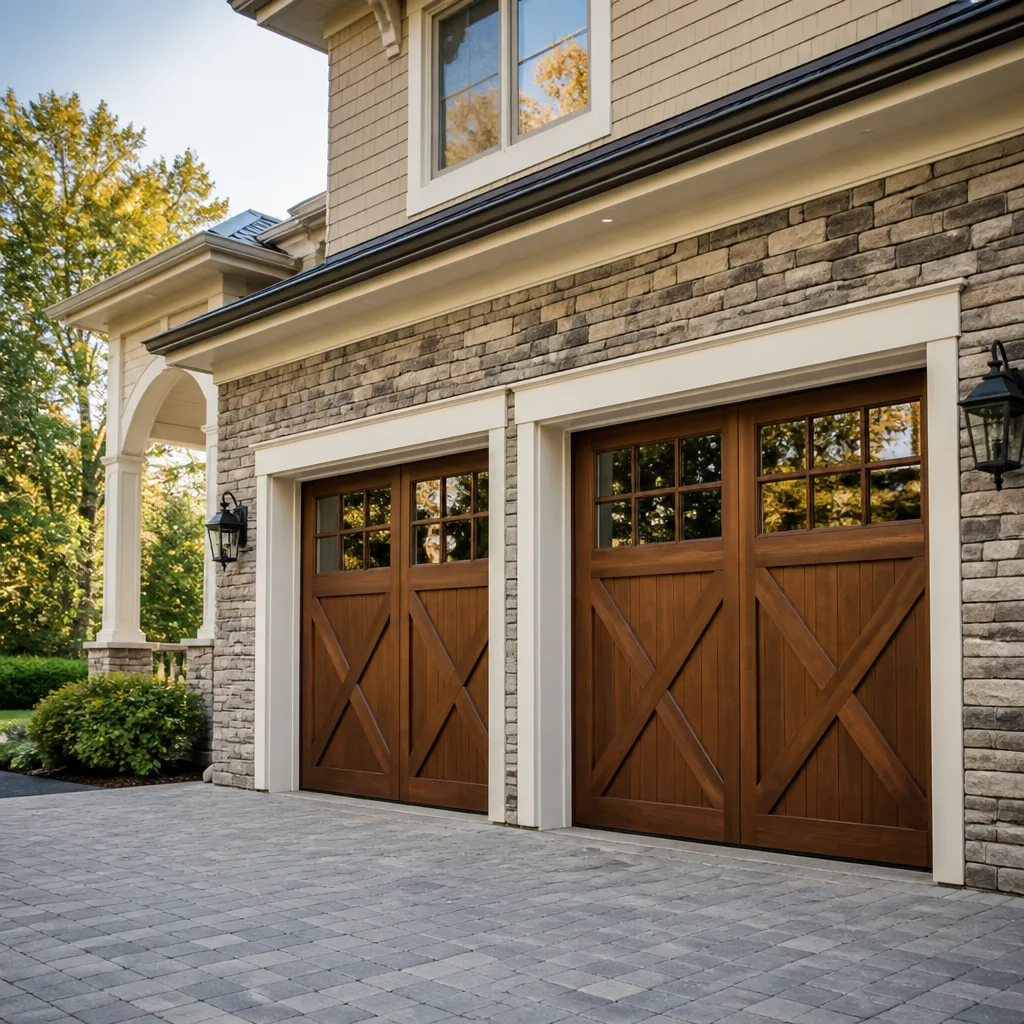 Carriage house
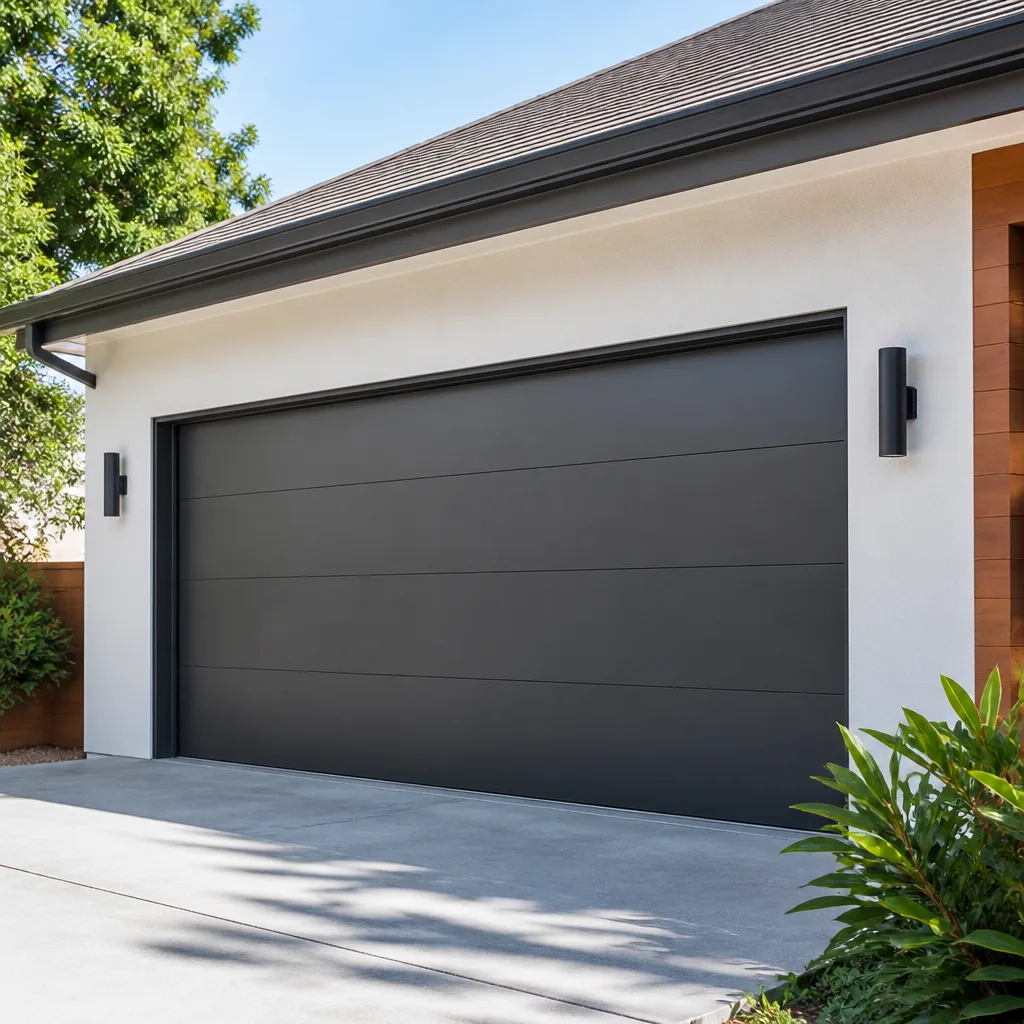 Modern flush
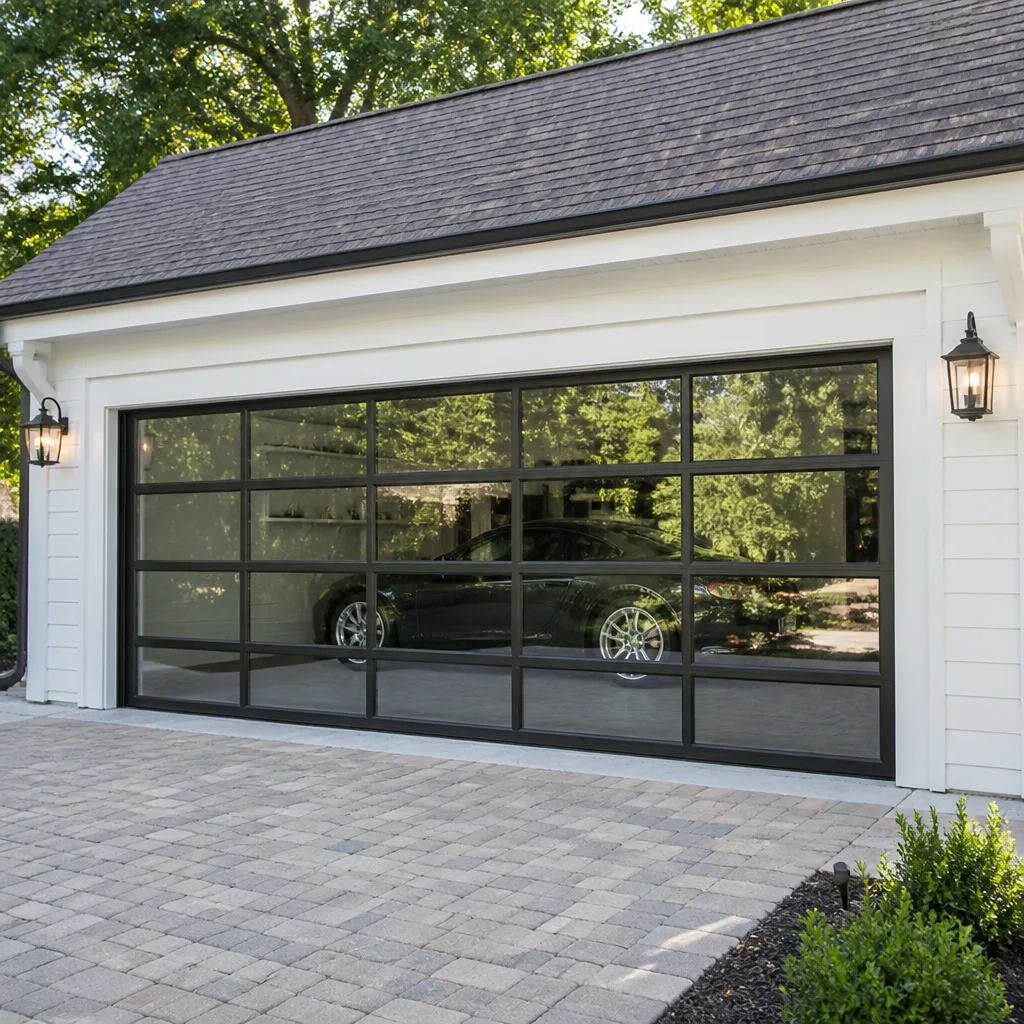 Full-view glass
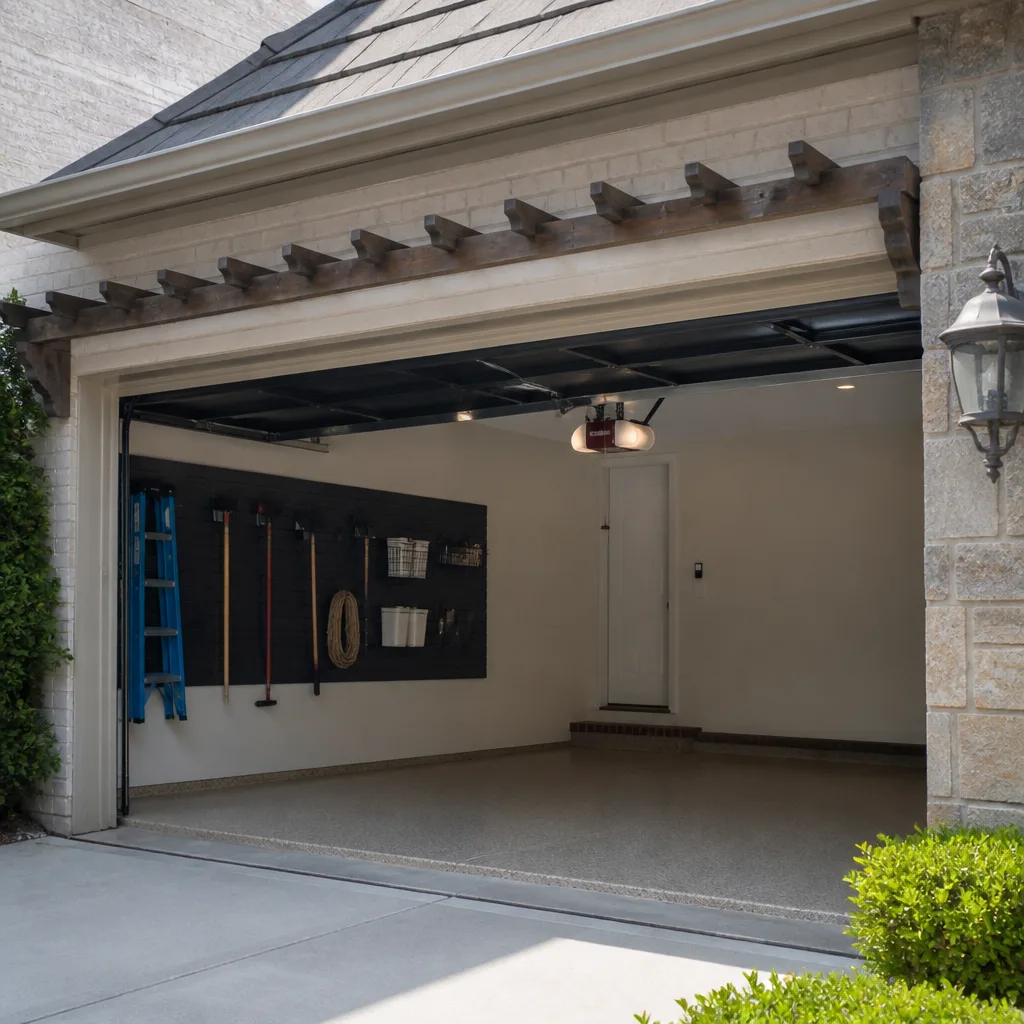 LiftMaster openers
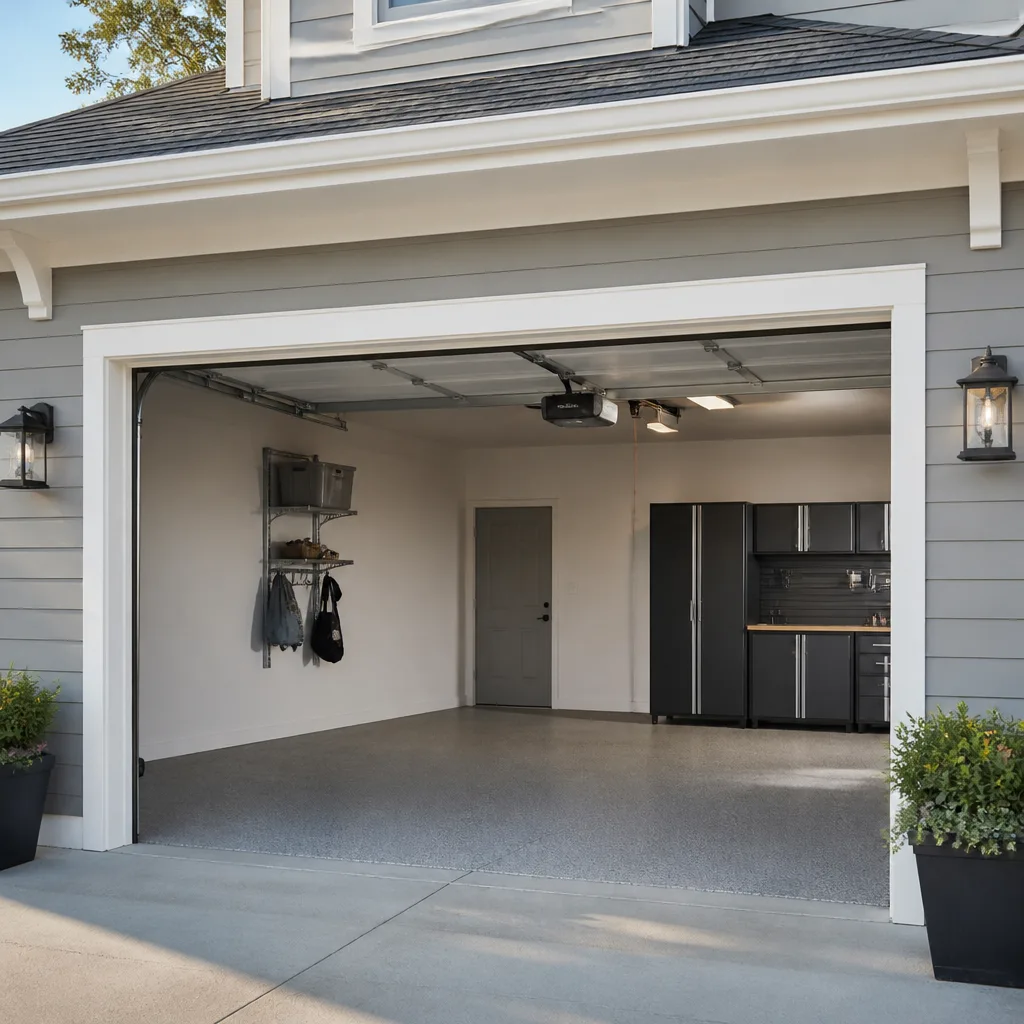 Chamberlain openers
Full 25-point door and opener safety check with every visit - springs, cables, rollers, tracks, and your LiftMaster or Chamberlain opener included
You get a price before we start. It does not change when the pro arrives.
Get your free estimateGarage Door Repair Maintenance Checklist for New Rochelle Homeowners
Most homeowners who call us after a broken spring admit they heard a noise two to four weeks earlier and ignored it. The door still worked, so it seemed fine, until the morning it didn’t. That gap between the first warning sign and the failure is where a real maintenance checklist earns its keep. A good checklist doesn’t just say “lubricate the springs.” It teaches you what worn lubrication sounds like, what a spring under improper tension looks like, and the exact point where a visual check is safe and where you need to stop operating the door and call someone. This guide gives New Rochelle homeowners a checklist with diagnostic teeth, organized by what you can safely do yourself and what needs a technician. Every number and dollar range here is an estimate, and a written quote always sets the final price.
Quick Answer
A garage door maintenance checklist for New Rochelle homeowners should cover monthly visual inspections of springs, cables, rollers, and tracks; lubrication of the torsion or extension spring system and hinges two to four times a year; a balance and safety-reverse test every few months; and seasonal adjustment checks timed to the region’s cold snaps and humid stretches. Anything involving spring tension, cable tension, or a door that has come off its tracks is a stop-and-call situation, not a do-it-yourself task. Keep a simple log so you can spot a pattern before it becomes a failure.
Styles & brands we work with
- Raised-panel steel
- Carriage house
- Modern flush
- Full-view glass
- LiftMaster openers
- Chamberlain openers
Table of Contents
- Why a Diagnostic Checklist Beats a Generic One
- The DIY vs. Professional Split: What You Can and Can’t Touch
- Lubrication Points on Torsion vs. Extension Spring Systems
- How to Visually Inspect Cables, Drums, and Rollers Without Touching Live Components
- Seasonal Adjustment Cues Unique to New Rochelle Weather
- Your Monthly and Seasonal Task Checklist
- A Simple Maintenance Log Template
- Why Brand Matters for Opener and Door Maintenance
Why a Diagnostic Checklist Beats a Generic One
Most online checklists tell you to “check the springs” without describing what a failing spring looks like. That’s not a checklist, it’s a to-do list with no diagnostic value. In our experience, the difference between a door that lasts and one that fails early usually comes down to one owner catching the warning at week two instead of week six.
A diagnostic checklist teaches you three things for every task: what normal looks and sounds like, what early failure looks and sounds like, and what to do the moment you see the early failure. That third piece is the one most guides skip, and it’s the one that keeps you from making a bad situation worse.
New Rochelle’s housing stock is a useful backdrop here. The city mixes older colonials and capes near the downtown core with newer construction up toward the northern neighborhoods, and garage doors reflect that spread. A door installed two decades ago may still be running on its original extension springs, while a newer home in the same neighborhood may have a torsion system with a modern garage door opener repair concern all its own. The checklist is the same framework, but what “normal” looks like differs by age and system type.
What follows is organized the way we’d talk a homeowner through it on a service call: what you can do with confidence, what you can do if you’re careful, and what you should never touch. Read the whole thing once, then keep it handy for the monthly check. For the full scope of what we handle, see the New Rochelle Garage Door Repair Co main page.
Key Takeaways
- A noise two to four weeks before a failure is a warning, not normal.
- Lubricate the right points, and never spray WD-40 on springs.
- Never touch springs or cables under tension. Visual checks only.
- Cold causes opener strain; humidity causes track binding. Time your checks around the seasons.
- Log every part and service date so patterns show up before failures do.
The DIY vs. Professional Split: What You Can and Can’t Touch
The single most useful thing a maintenance checklist can do is tell you where the line is. Not “be careful,” but a specific line: these tasks are yours, these tasks are a technician’s. Here’s how we draw it for New Rochelle homeowners.
Safe for you to do:
- Visual inspection of springs, cables, drums, rollers, tracks, and hinges.
- Lubrication of hinges, rollers, tracks, and the spring system per the manufacturer’s guidance.
- Monthly balance test and safety-reverse test.
- Cleaning and light debris removal from the tracks.
- Testing the opener and its safety sensors.
- Keeping a maintenance log.
Requires a trained technician:
- Any work on torsion or extension springs, including replacement.
- Adjusting or replacing cables and drums.
- Realigning a door that has come off its tracks.
- Replacing broken rollers under load.
- Repairing or replacing the opener drive system or control board.
- Any situation where the door is unbalanced, hangs crooked, or won’t stay down.
The reasons matter more than the list. A torsion spring stores an enormous amount of energy, and if it releases while you’re near it, the result can be serious injury. Cables carry that same tension. A door off its tracks can drop suddenly. None of these are “be careful” tasks; they’re tasks where the wrong move is genuinely dangerous. That’s why we treat spring repair as a named, dedicated service and recommend a trained professional for every spring or cable issue. When in doubt, stop operating the door and book a technician.
For a deeper walkthrough of the repair side, see our garage door repair page, which covers the scenarios that most often bring a door down.
Lubrication Points on Torsion vs. Extension Spring Systems
Lubrication is the task most homeowners get wrong, and the mistake is usually the product, not the effort. The two most common are spraying WD-40 on the springs (it’s a solvent, not a lubricant, and it strips the protective coating faster than it helps) and over-lubricating the tracks, which attracts grit and causes the very binding you were trying to prevent.
The right products are a garage door-specific lubricant or a white lithium or silicone-based lubricant. Use it sparingly. You’re not greasing a bearing; you’re applying a thin coat to reduce friction and slow wear.
On a torsion spring system (the springs run horizontally above the door on a shaft), lubricate:
- The torsion springs themselves, lightly, along the coil.
- The center bearing plate and end bearing plates.
- The torsion shaft where it meets the drums.
- The hinges at every joint.
- The roller stems and the curve of the track where the rollers turn.
On an extension spring system (the springs run parallel to the tracks on either side), lubricate:
- The extension springs along the coil.
- The pulleys the cables run over.
- The hinges at every joint.
- The roller stems and track curve, same as above.
Frequency: two to four times a year is the usual guidance, and more often if the door is used heavily or sits exposed to weather. Do not lubricate the tracks themselves beyond a light wipe; if the door is binding, lubrication won’t fix it and may hide the problem. For spring-specific questions, including the warning signs that mean a spring is on its way out, see garage door spring repair.
How to Visually Inspect Cables, Drums, and Rollers Without Touching Live Components
You can learn a lot about a door’s health without putting your hands near anything under tension. The rule is simple: look, don’t touch. Here’s what to look for on a New Rochelle door.
- Cables. Look for fraying, broken strands, kinks, or rust along the length. A healthy cable is smooth and evenly tensioned side to side. If one side looks slack and the other taut, stop and call a technician.
- Drums. The drums are the spool-shaped parts at the ends of the torsion shaft that the cables wind around. Look for cable wrap that’s uneven, a cable riding off the drum, or obvious wear on the drum edge. Never try to reseat a cable on a drum yourself.
- Rollers. Look at each roller where it sits in the hinge. Worn rollers are flat-spotted, cracked, or wobbly in their stem. A door that shudders as it moves is often telling you a roller is worn.
- Springs. Look for a visible gap in a torsion spring coil, or a stretched-out, sagging extension spring. A gap in a torsion spring usually means it has broken.
- Tracks. Look for dents, bends, or debris. A track that’s out of alignment will cause binding and can pull the door off its path.
- Hinges and hardware. Look for loose bolts, rust, or metal fatigue at the hinge plates.
If a visual inspection turns up any of the “stop” signs (a broken spring, a slack cable, a door off its tracks, or a door that won’t stay balanced), stop operating the door and call a professional. A visual check is enough to catch a problem early; it is never a license to adjust the component yourself.
Seasonal Adjustment Cues Unique to New Rochelle Weather
New Rochelle’s climate gives a garage door two distinct stress seasons, and the checklist should shift with them. In cold snaps, metal contracts and lubricants thicken. In the humid stretches of summer, moisture and grit cause track binding and roller drag. Same door, different symptoms.
Cold weather cues. The opener works harder when temperatures drop. If you notice the door moving more slowly, straining at the start, or the opener laboring on the first lift of the morning, that’s often the cold revealing a marginal spring or a stiff hinge. A door that runs fine in mild weather but strains in the cold is a door that needs attention before the strain becomes a break. Don’t force a sluggish door; check it.
Humid weather cues. If the door binds partway up or down, or the rollers drag, humidity and grit in the tracks are common culprits. Wipe the tracks clean and check the rollers. If binding persists after a clean, that’s a sign of deeper wear.
Wind and storm cues. Strong storms can shift a track or drop debris onto the door’s path. After a storm, do a visual pass before running the door. Hail is uncommon here, but impact and wind damage are worth checking for.
The practical rhythm: a full visual check and lubrication as the seasons turn, and a quick check after any significant weather event. That rhythm alone catches most of the failures we see on New Rochelle doors.
Your Monthly and Seasonal Task Checklist
Here’s the checklist itself, split by how often each task should happen. Print it, keep it on the wall by the garage, and check items off as you go.
Monthly:
- Run the door and listen. Note any new noise, grind, or shudder.
- Do a visual inspection of springs, cables, drums, rollers, and tracks (look, don’t touch).
- Test the safety reverse: place a small object in the door’s path and confirm the door reverses on contact.
- Do a balance test: disengage the opener and lift the door halfway. It should stay put. If it drops or rises, the springs need professional attention.
- Test the opener’s safety sensors by blocking them and confirming the door won’t close.
- Wipe the tracks clean of debris and grit.
Every two to four months:
- Lubricate the spring system, hinges, and roller stems per the section above.
- Check and tighten visible hinge and bracket bolts (do not touch spring or cable hardware).
- Inspect rollers for flat spots and wobble.
Seasonally, plus after any major weather:
- Full visual inspection of the entire system.
- Clean tracks and check for binding.
- Test the opener’s force and travel settings per its manual.
- Review the maintenance log and note anything that has changed.
If any test fails, or if you see a stop sign, stop operating the door and book a technician. The checklist is there to catch problems early, not to talk you into a repair you can’t safely do.
A Simple Maintenance Log Template
A log is the cheapest diagnostic tool you own. It turns scattered observations into a pattern. Most failures have a lead-up; the log is what lets you see it. Here’s a simple template you can copy into a notebook or a notes app.
- Date – when the check happened.
- Task – what you inspected, lubricated, or tested.
- Observation – what you saw or heard. “Spring had a faint gap,” “roller wobbles,” “door slower in cold,” “track had grit.”
- Action – cleaned, lubricated, called for service, monitored.
- Part and date – when a part was last replaced or serviced (springs, rollers, opener, cables), and by whom.
The patterns to watch for: repeated cold-weather strain, recurring track grit, a roller that keeps coming loose, or a door that’s been “monitored” for several months. Any of these is a signal to schedule a technician rather than keep monitoring. If a spring was replaced, log the date so you know its service window; that single entry often forestalls the surprise failure.
Why Brand Matters for Opener and Door Maintenance
The checklist is brand-agnostic, but the diagnostics are not. A Raynor door and a LiftMaster opener behave differently in cold weather and carry different maintenance guidance. A Chamberlain opener’s safety-reverse sensitivity and a Genie opener’s force settings aren’t tuned the same way.
We work on the door you have, across the major brands in residential use. Our technicians are factory-familiar with LiftMaster, Chamberlain, Genie, Clopay, Amarr, Wayne Dalton, Craftsman, and Raynor, which means no learning curve on your door or your opener. Opener-specific repair, in particular, has become a specialty as connected and app-driven systems get more complex; see our garage door opener repair page for the range of what we handle.
Our technicians have up to 13 years of experience, and that includes the diagnostic side of maintenance. If you’re not sure whether a symptom is a maintenance item or a repair, ask. We give honest guidance on repair versus replacement because we do both, so we have no financial incentive to push one answer.
Common Mistakes to Avoid
- Spraying WD-40 on springs. WD-40 is a solvent, not a lubricant. It strips the protective coating and can accelerate wear. Use a garage door-specific lubricant instead.
- Over-lubricating the tracks. A greasy track attracts grit and causes binding. Tracks need cleaning, not greasing.
- Ignoring a new noise. The door still working doesn’t mean nothing is wrong. A noise two to four weeks before a failure is the most common warning we hear about.
- Forcing a sluggish door in cold weather. If the opener is straining, stop and check it. Forcing it can wear the opener or break a marginal spring.
- Trying to adjust a spring or cable. Springs and cables are under high tension. This is the one mistake that can cause serious injury, and it’s the one that most often sends homeowners to us after a scare.
- Skipping the safety-reverse test. It’s a two-minute check that confirms the door will reverse on contact, and it’s the cheapest safety test you can do.
- Not keeping a log. Without one, you lose the pattern that would have told you a part was on its way out.
See the difference
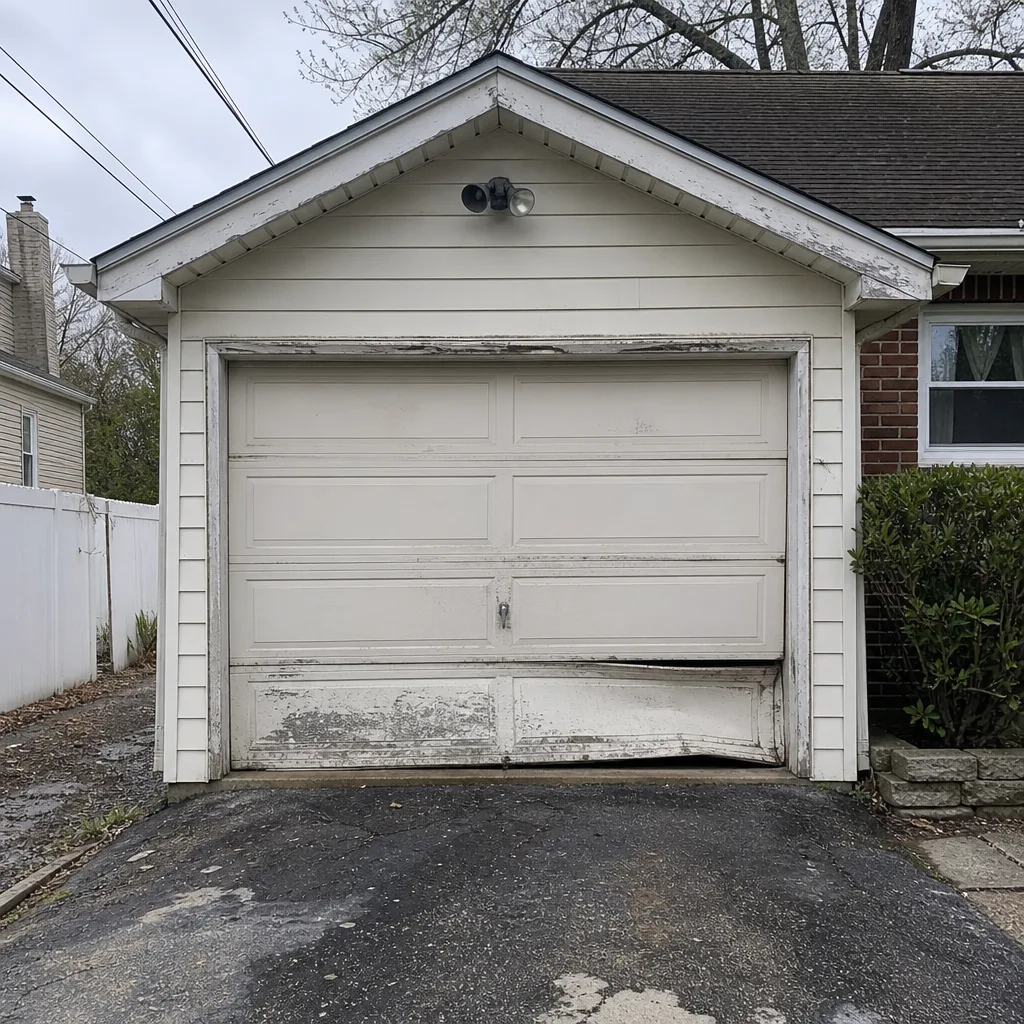 Before
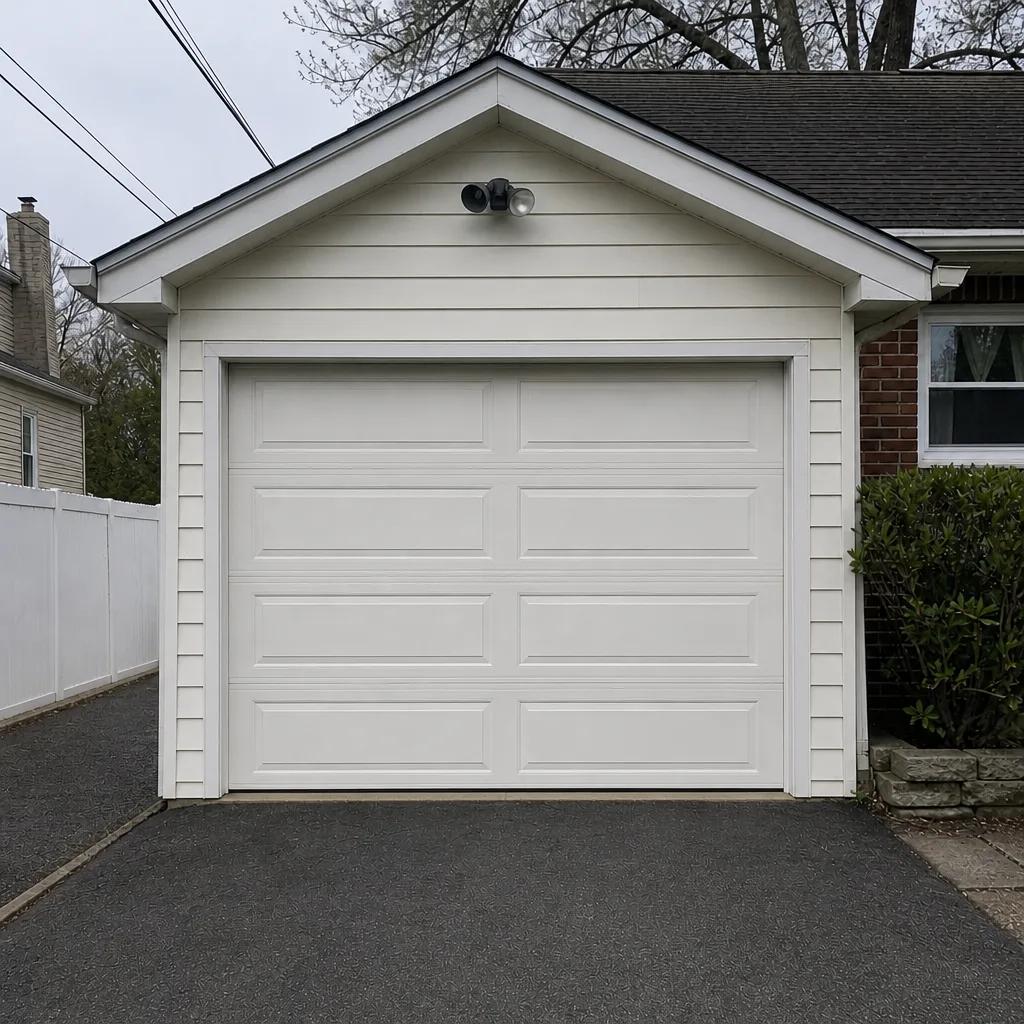 After
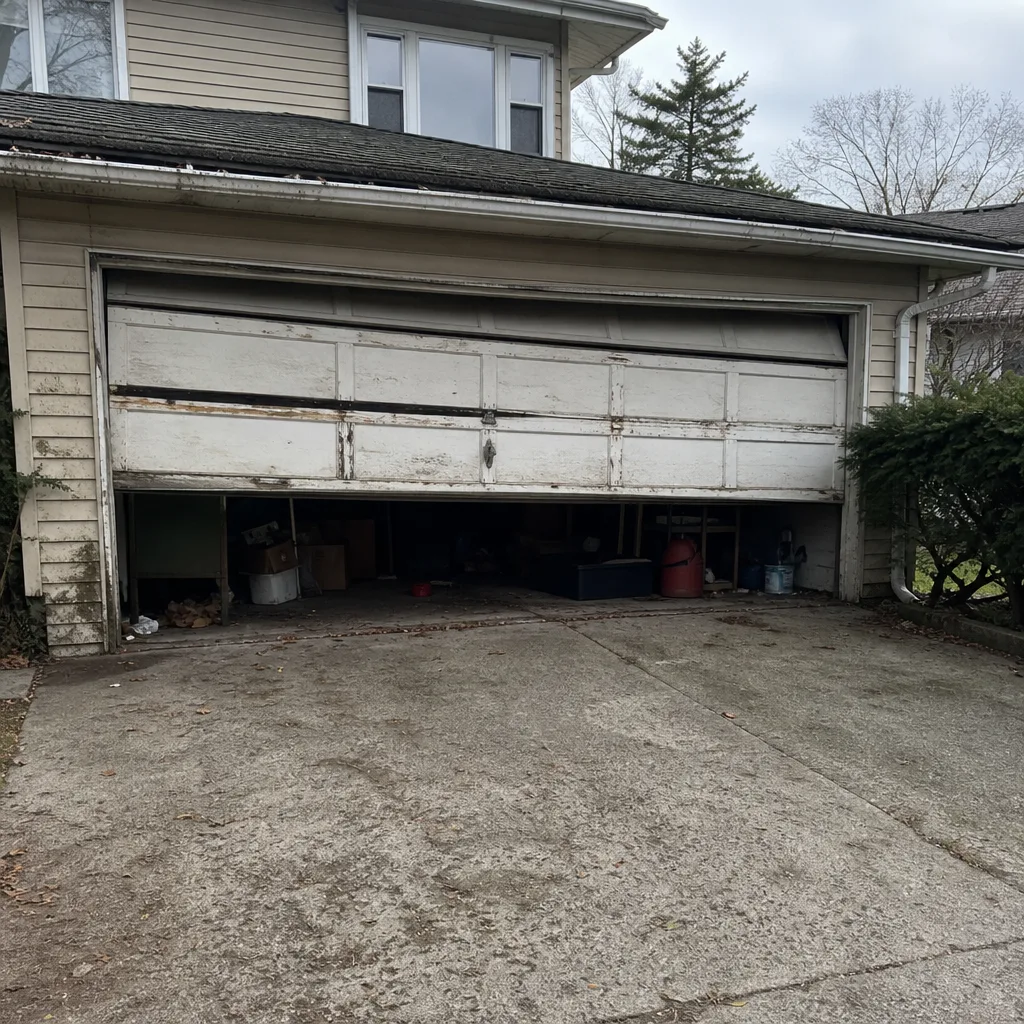 Before
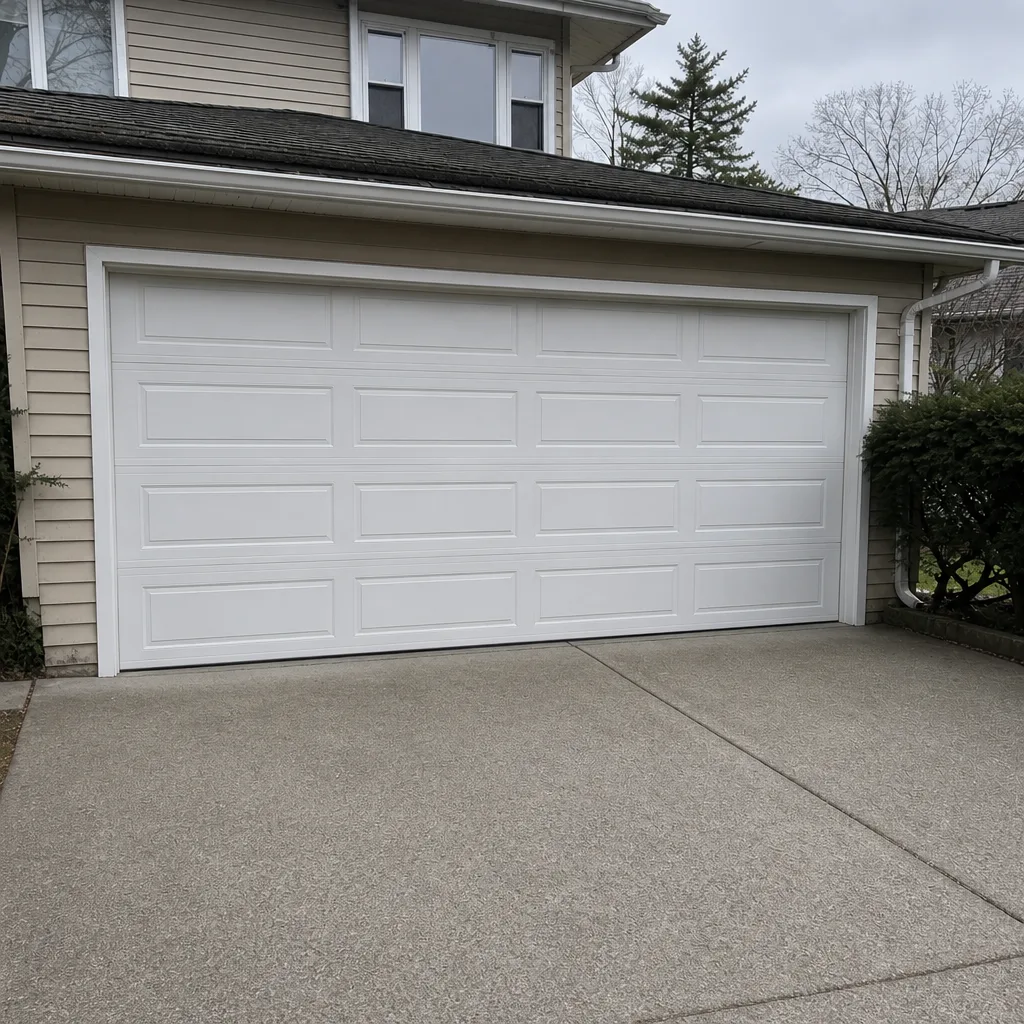 After
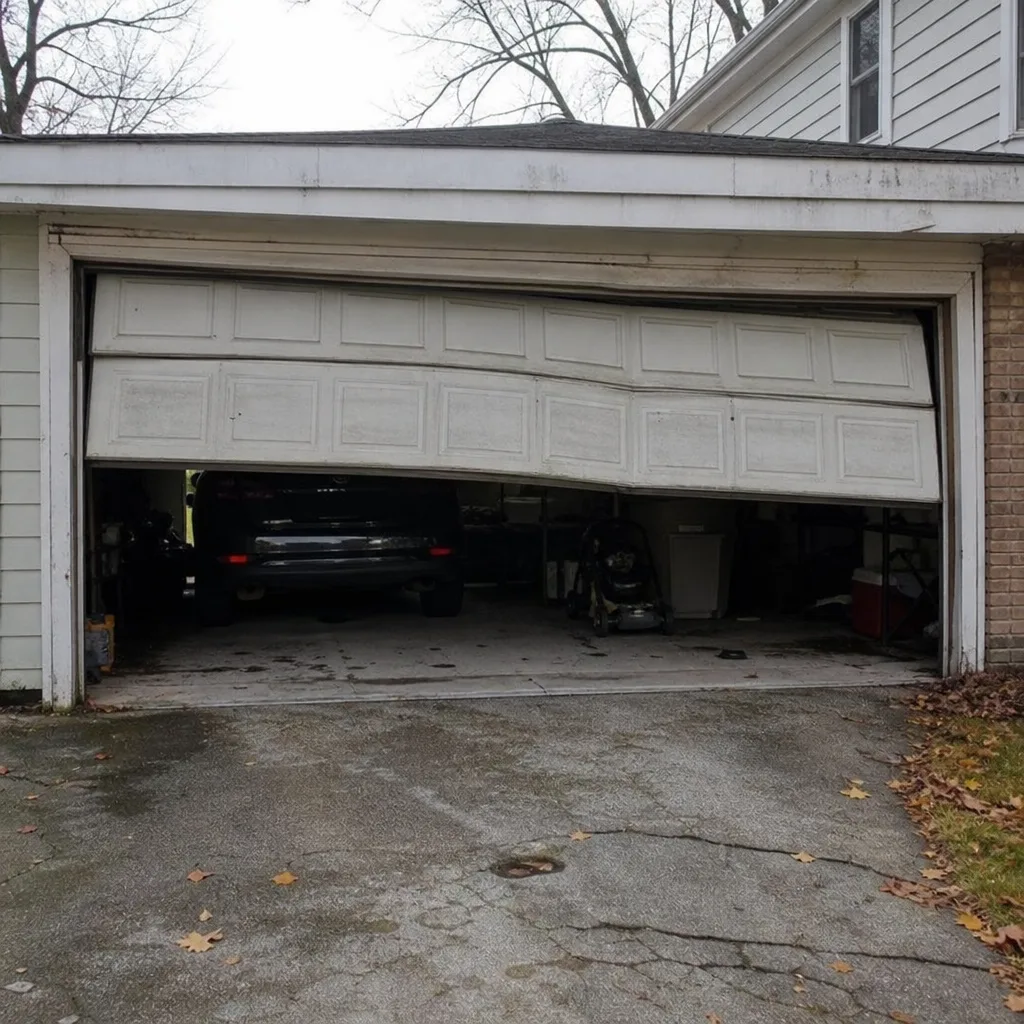 Before
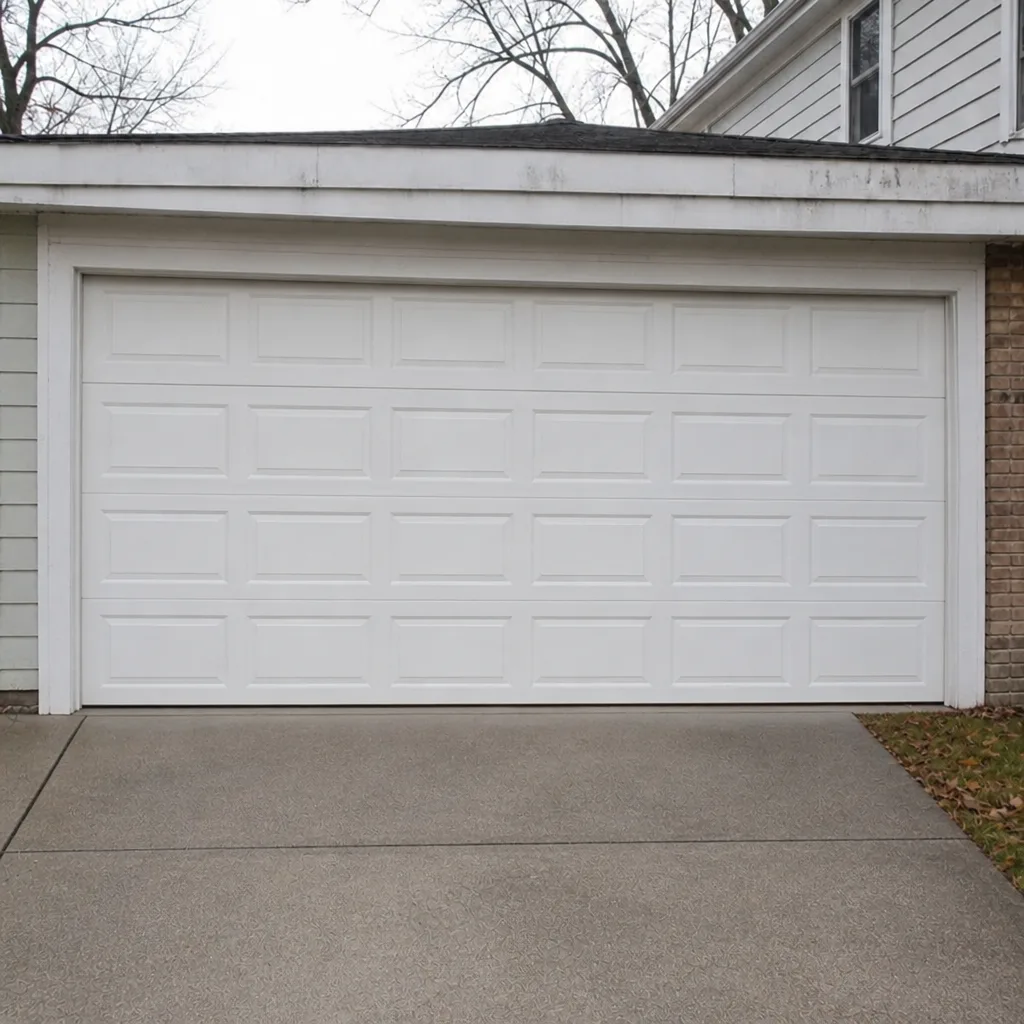 After
When to Call a Professional
Some situations need a trained technician, full stop. A broken spring (a visible gap in a torsion spring, or a stretched extension spring) is the classic. A slack or frayed cable, a door off its tracks, a door that won’t stay balanced, or an opener that won’t respond are all calls we handle. If you see any of these, stop operating the door and book a service. New Rochelle Garage Door Repair Co offers free estimates in New Rochelle, and emergency service is a core offering, not an upsell. Call (844) 385-8447 for a free estimate.
Frequently Asked Questions
Two to four times a year is the standard guidance, and more often if the door gets heavy use or sits exposed to weather. Lubricate the spring system, hinges, and roller stems, and skip the tracks beyond a light wipe. Call (844) 385-8447 for an exact quote on a service visit; estimates are free.
Yes, a light coat of a garage door-specific lubricant on the spring is a safe homeowner task, but never touch the springs to adjust tension. If a spring looks broken, sagging, or out of shape, stop and call a technician. Call (844) 385-8447 for a free estimate.
A torsion spring with a visible gap in the coil, or an extension spring that’s stretched out and sagging, is a failing spring. Both mean the spring has lost tension or broken. Stop operating the door and call a professional; spring repair is a trained task, not a do-it-yourself one.
Most doors can be repaired rather than replaced, especially if the panels and structure are sound and the problem is mechanical (a spring, cable, roller, or opener). We do both repairs and new installation, so we have no incentive to push one over the other. Call (844) 385-8447 for a free estimate and an honest assessment.
Torsion springs run horizontally above the door on a shaft; extension springs run parallel to the tracks on either side. The lubrication points differ slightly, but the safety rule is the same: never touch springs or cables under tension. If you’re not sure which system you have, a technician can tell you in minutes.
Yes, emergency service is a core offering. If a broken door has left your home unsecured or trapped your car, call and we’ll book a technician for the earliest available time. Call (844) 385-8447 for a free estimate.
The Bottom Line
A maintenance checklist only helps if it tells you what failure looks like. The three rules that matter most: a new noise is a warning, not normal; never touch springs or cables under tension; and keep a log so patterns show up before failures do. Do the monthly visual checks and safety tests, lubricate the right points with the right product, time your fuller checks to New Rochelle’s cold and humid seasons, and call a trained technician the moment you see a stop sign. Do that, and most failures get caught at week two instead of week six. When you need a repair or a professional check, call (844) 385-8447 for a free estimate from New Rochelle Garage Door Repair Co.
Written by the team at New Rochelle Garage Door Repair Co.