Last updated November 22, 2026
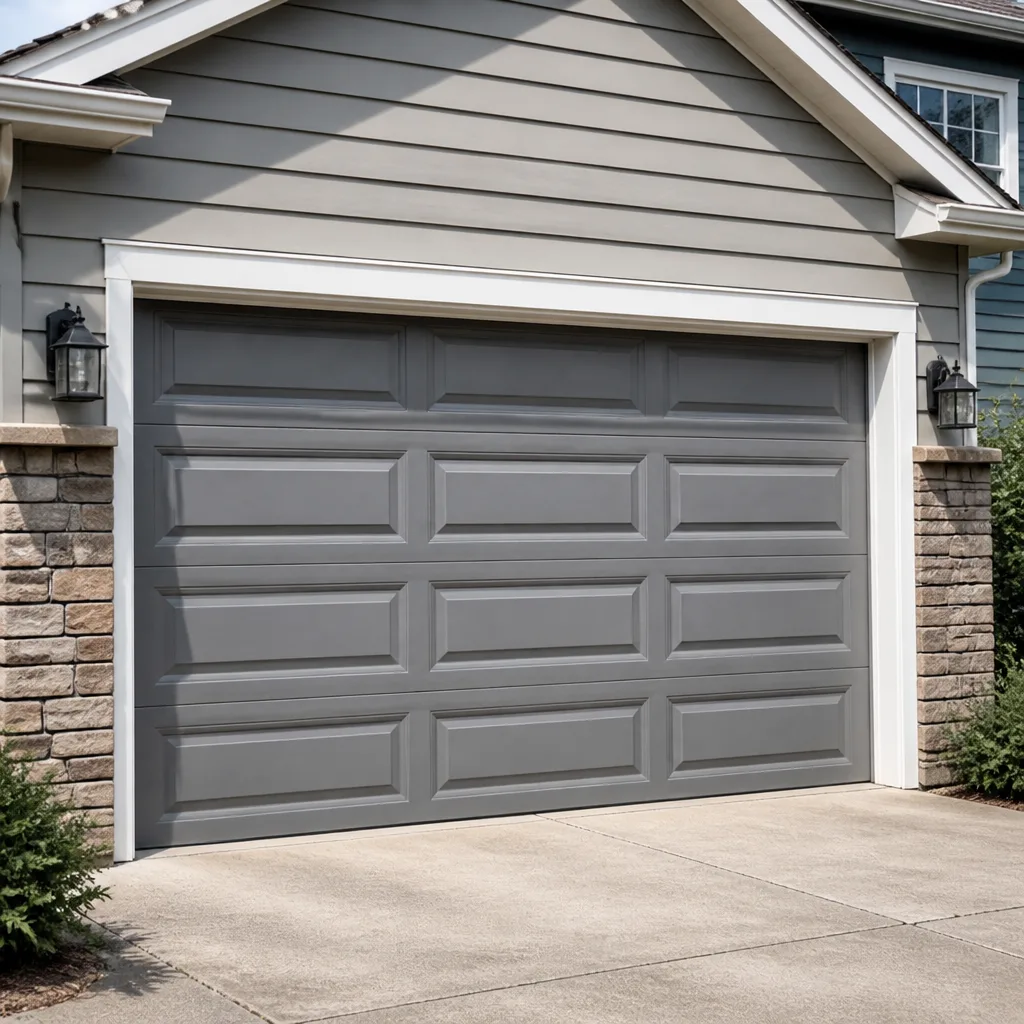 Raised-panel steel
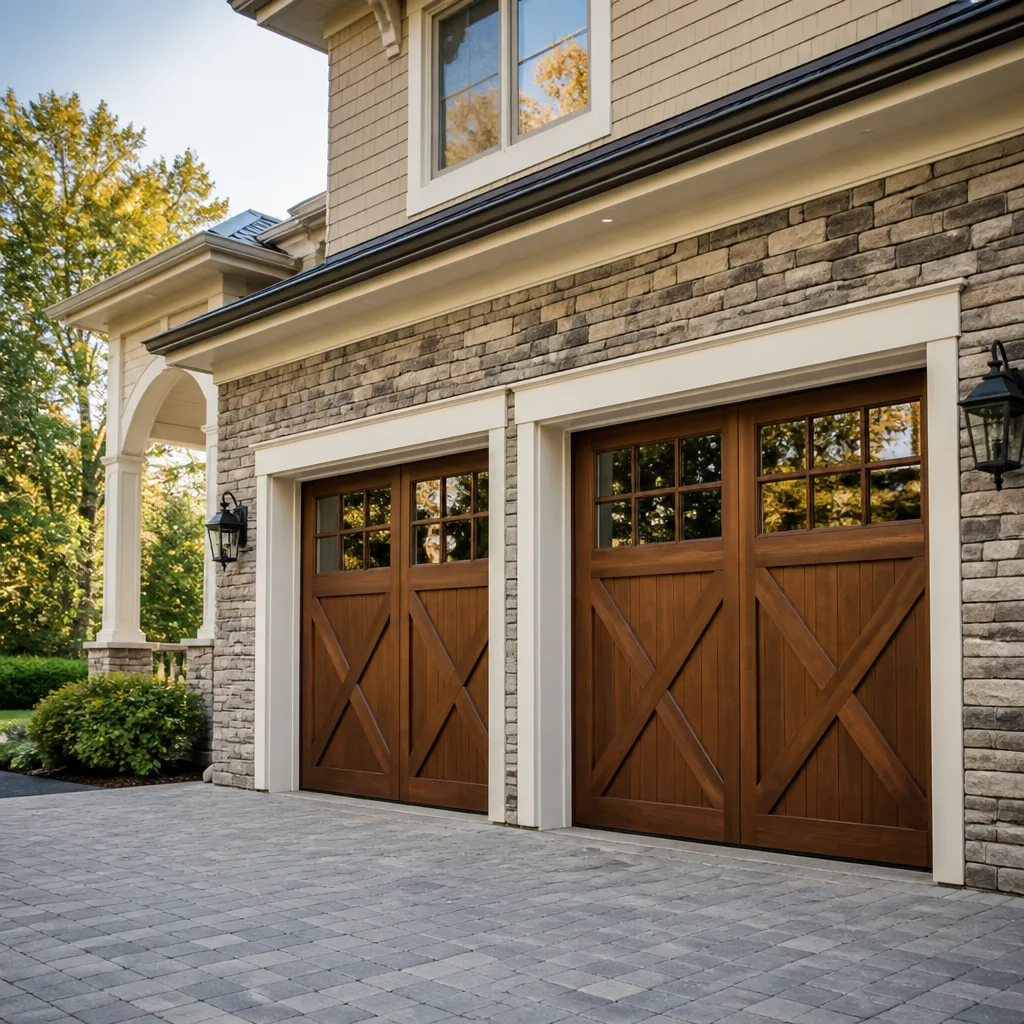 Carriage house
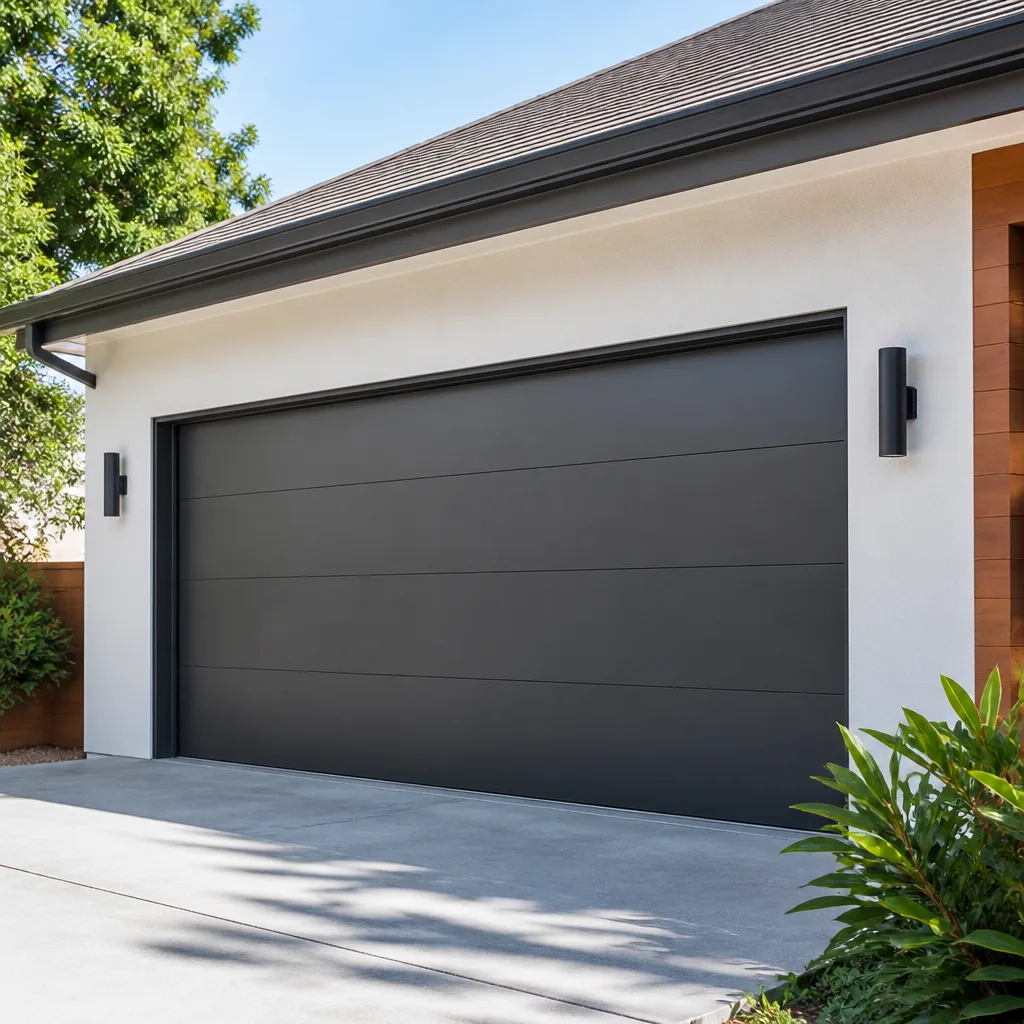 Modern flush
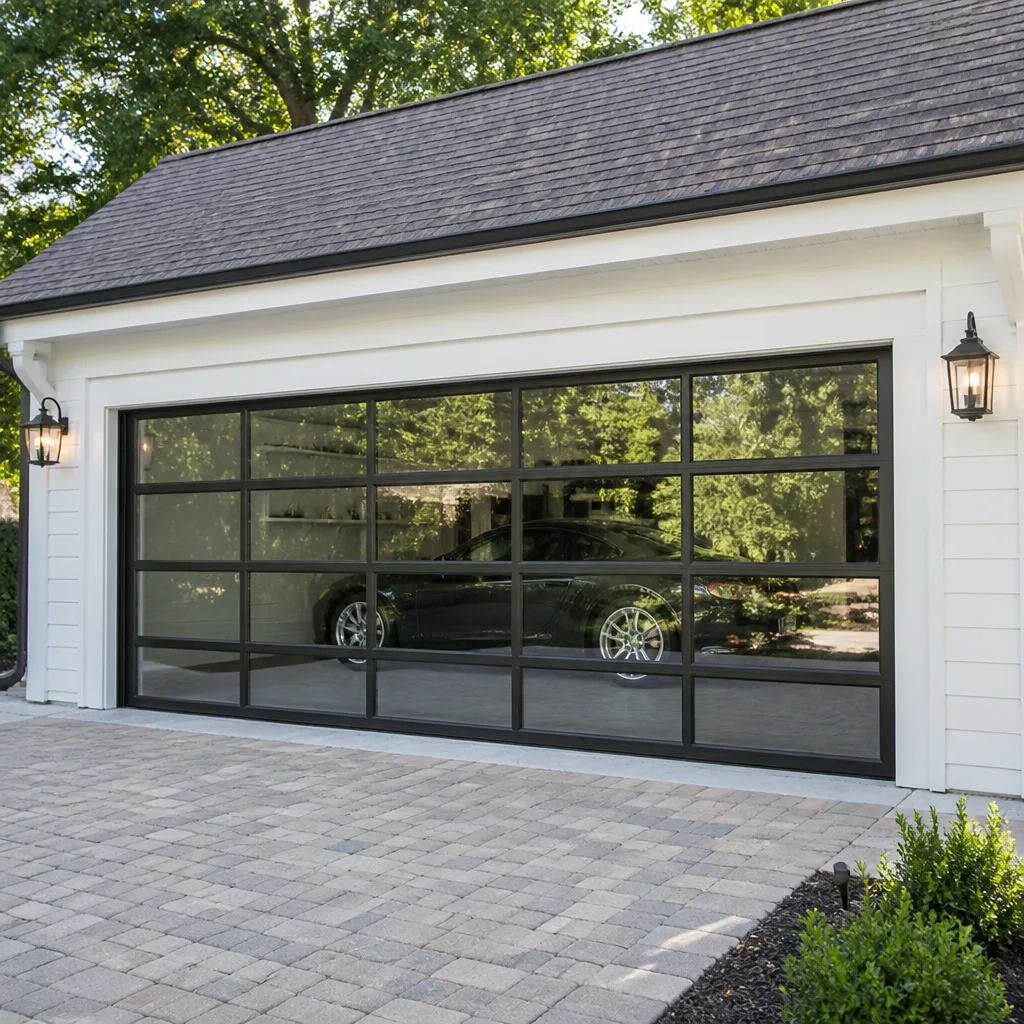 Full-view glass
 LiftMaster openers
 Chamberlain openers
Full 25-point door and opener safety check with every visit - springs, cables, rollers, tracks, and your LiftMaster or Chamberlain opener included
You get a price before we start. It does not change when the pro arrives.
Get your free estimateSeasonal Garage Door Care for New Rochelle: Year-Round Homeowner’s Guide
Most homeowners think about their garage door twice: when they buy the house and when it stops working. That’s the mistake. In New Rochelle, the weather doesn’t give hardware a rest, and it doesn’t fail all at once. It fails in steps. A cold January snap, a humid August, a nor’easter in March – each one loads a different part of the system, and each one leaves a small mark that the next season makes worse. The homeowners who avoid big repair bills aren’t lucky. They check the right components at the right time. This guide maps those checks to the New Rochelle calendar, explains what the weather is actually doing to your springs, seals, tracks, and opener, and tells you what to leave alone.
Quick Answer
Seasonal garage door care in New Rochelle means matching maintenance to the weather: adjusting opener force settings and lubricating moving parts before the first freeze, checking spring tension and bottom seals through winter, inspecting track alignment and corrosion after the thaw, and watching for humidity swelling in summer that makes wood doors bind. The single most valuable habit is a short inspection at each season change, because the components that fail in extreme weather are usually the ones that were already stressed the season before.
Styles & brands we work with
- Raised-panel steel
- Carriage house
- Modern flush
- Full-view glass
- LiftMaster openers
- Chamberlain openers
Table of Contents
- Why New Rochelle Weather Is Hard on Garage Doors
- Fall Prep: Getting Ready for the First Freeze
- Winter: Cold, Tension, and What Never to Do
- Spring: A Post-Winter Inspection Sequence
- Summer: Humidity, Swelling, and Binding Doors
- Sound and Waterfront: Corrosion on Two Timelines
- Opener Settings Through the Year
- Common Mistakes to Avoid
- When to Call a Professional
- Frequently Asked Questions
- The Bottom Line
Why New Rochelle Weather Is Hard on Garage Doors
A garage door is the largest moving object on most houses, and it’s built from materials that each respond to temperature differently. Steel panels contract in cold. Wood panels absorb and release moisture. Rubber seals stiffen below freezing and soften in heat. Springs, the part that does the actual lifting, change their tension as the temperature drops – a spring that balances the door perfectly at 70 degrees is noticeably stiffer at 20 degrees.
That mismatch is the heart of seasonal damage. When components move at different rates, clearances change. Rollers drag where they used to roll. Seals press harder against a slab, or pull away. An opener that was dialed in for mild weather suddenly has to work harder than its settings allow.
New Rochelle sits at a climate intersection that makes this worse than a lot of places. Winters bring genuine cold snaps and nor’easters. Summers are humid enough to swell wood panels. Spring and fall swing the temperature across thirty or forty degrees in a single day, which means the door cycles through expansion and contraction repeatedly. Homes in the southern parts of New Rochelle, closer to the water, add moisture to the mix. North End properties, sitting higher and more exposed, catch more wind-driven rain and more direct sun.
None of this means a door can’t last. It means the maintenance calendar matters. When we work on a door through New Rochelle Garage Door Repair Co, the first question we ask is often about the time of year a symptom showed up. The season tells you which component is most likely talking.
Fall Prep: Getting Ready for the First Freeze
The work you do before the first hard freeze in New Rochelle prevents a lot of January trouble. Fall is when the door should be put into the best possible mechanical shape so that cold weather has less to exploit.
Start with lubrication, because dry moving parts are the first thing cold weather punishes. A dry hinge or roller will seize in a deep freeze. A light, purpose-made garage door lubricant on hinges, rollers, and the torsion bar bearings keeps them moving. Avoid heavy grease, which thickens when cold, and avoid spraying lubricant on the tracks themselves, where it attracts grit.
Then check the bottom seal. This is the rubber or vinyl strip along the bottom edge. In fall it should still be flexible and touching the floor evenly. If it’s cracked, flattened, or leaving a gap at one end, replace it before winter. A stiff, hardened seal will compress poorly in cold and let in drafts, snow, and pests.
Balance test next. Disconnect the opener using the release handle, lift the door to about halfway, and let go. A properly balanced door stays put. One that drifts down or shoots up is telling you the springs are out of adjustment or wearing unevenly. That’s a job for a trained technician, because springs are under extreme tension and are the most dangerous component on the entire door. Our dedicated garage door spring repair work exists for exactly this reason – a spring that’s adjusted improperly, or handled by someone without the right tools, can cause serious injury.
Finally, look at weatherstripping around the door frame and at the panel seams. Sealing small gaps in fall keeps wind-driven rain out and reduces the freeze-thaw strain that comes with water getting into joints.
Fall checklist
- Lubricate hinges, rollers, and torsion bar bearings with a light garage door lubricant.
- Inspect and replace a stiff, cracked, or uneven bottom seal.
- Run the manual balance test with the opener released.
- Check weatherstripping around the frame and at panel seams.
- Tighten visible hinge and bracket bolts (not spring hardware).
- Confirm the opener’s force settings before cold weather sets in.
Winter: Cold, Tension, and What Never to Do
Winter is when the busiest repair window opens. Overnight lows in New Rochelle put real strain on springs, and the calls come in fast. Understanding why helps you recognize a problem early instead of discovering it at seven in the morning with a car trapped inside.
Cold tightens spring tension. A spring rated for a certain number of cycles is also affected by how it’s loaded, and a cold, stiff door puts more load on it. If a spring was already weakened by years of cycles, a hard cold snap is often the last straw. The same goes for cables, which can fray and then fail under a sudden load.
Bottom seals compress less in cold. A seal that was fine in October may leave a gap in January, letting cold air and snow in. That same snowmelt can then refreeze around the bottom of the door and bond it to the floor.
Openers feel it too. The motor has to work harder to lift a stiff door, and the drive system – chain, belt, or screw – moves with more resistance. If the opener’s force settings weren’t adjusted, the safety reverse system can trip unnecessarily, or the opener can strain and overheat.
Here’s the critical rule for winter: never force open a frozen door. If the door is bonded to the floor or jammed in its tracks, pulling hard on it, or repeatedly hitting the opener button, can strip the opener’s gears, snap a cable, or damage panels. Clear away snow and ice from the base of the door, then try again gently. If it still won’t move, stop and call.
For homes using a Genie or LiftMaster opener, winter is also a good time to test the safety reverse. Place a small object in the door’s path and confirm the door reverses on contact. If it doesn’t, the opener needs service before the cold gets worse – an opener that won’t reverse is a safety concern, not just an inconvenience.
Spring: A Post-Winter Inspection Sequence
Spring in New Rochelle is where the damage from winter shows up. Freeze-thaw cycling and months of moisture have been working on the hardware since October, and the first warm weeks are when you can see what happened. Go through the door in a set order, because each check tells you whether the next one matters.
This is also the season we’re asked most often about garage door repair, and the honest answer is that most spring calls come from a small handful of components. The sequence below hits them in the order that saves the most time.
Post-winter inspection sequence
- Wash the door and hardware. Road salt and grit accumulate low on the panels and around the bottom brackets. Rinse thoroughly – leaving residue speeds up corrosion.
- Check for corrosion. Look at hinges, rollers, brackets, and the bottom section. Flaking paint or rust bloom is a sign that moisture has been sitting where it shouldn’t.
- Inspect the tracks. Look for bends, dents, or debris. Tracks should be straight, parallel, and clear. A track knocked out of alignment during a winter storm will make the door bind.
- Test the rollers. Worn nylon or steel rollers will wobble or rattle. Rollers take the most abuse from grit and cold, and they’re inexpensive to replace before they wear into the track.
- Run the balance test again. Compare the result to your fall test. A door that balanced in October but sags in April needs spring attention.
- Inspect the bottom seal and frame weatherstripping. Replace anything that winter has stiffened, torn, or pushed out of place.
- Re-lubricate. Fresh lubricant after the wet season protects the moving parts through the humid months ahead.
If anything in the sequence turns up a spring or cable problem, that stops the list. Springs and cables are load-bearing components under high tension, and they are not a do-it-yourself item. Handle everything else on the list yourself, and leave the spring work to someone trained for it.
Summer: Humidity, Swelling, and Binding Doors
Summer problems look different from winter ones, but they’re just as seasonal. The complaint is usually the same: the door binds, drags, or doesn’t close all the way. The cause is often humidity, not a broken part.
Wood door panels absorb moisture from humid air and swell. A Clopay, Amarr, or Wayne Dalton wood or wood-composite door that opens smoothly in April can start to bind in July, especially if the door faces the sun and gets warm during the day. Panels swell along their edges, and the door can rub against the frame or stick at the bottom.
The trick is telling a swelling problem apart from a track alignment problem. Here’s the distinction:
- Swelling: the binding comes and goes with the weather. The door may stick more in the morning or after rain and free up later. The drag is even across the width of the panel, and you may see paint or finish worn off where it rubs.
- Track misalignment: the binding is consistent regardless of weather. The door may hesitate at one spot, and the roller may visibly leave the track or sit at an angle. You may hear a scrape at one side rather than along the whole width.
For swelling, the fix is usually about moisture and finish. Keeping the door sealed with a good exterior finish slows moisture absorption. If a wood or composite door has been swelling for several seasons, refinishing the edges helps. For track misalignment, the tracks need to be straightened or repositioned by someone with the right tools – forcing a door on bent tracks can bend the panels.
Summer is also the season for the opener’s heat tolerance. A motor working in an unshaded garage in August is under more thermal load than in winter, and older openers can overheat and stop mid-cycle. If your opener trips off on hot afternoons and recovers later, that’s a sign to have it checked rather than a door problem.
Sound and Waterfront: Corrosion on Two Timelines
Not every part of New Rochelle sees the same wear. Homes in the southern and waterfront areas sit closer to Long Island Sound, and the moisture in the air there is more consistent than in the higher, more inland parts of town. That difference shows up in how fast hardware corrodes.
In the southern and waterfront sections, hinges, rollers, brackets, and the bottom section are exposed to more ambient moisture. Rust tends to start sooner and spread more evenly across the hardware. That means more frequent inspection, and a lighter touch with lubricant – a thin film repeated more often beats a heavy coating. Bottom sections, which catch grit and moisture together, are usually the first to show it.
North End properties are further from the water and higher up, which means less sustained moisture but more direct sun and more wind exposure. Hardware there tends to corrode more slowly, but it takes more UV wear on seals and finishes, and wind-driven rain can drive moisture into joints that stay dry in sheltered spots. Sun exposure can also harden rubber seals faster on doors that face south or west.
The door material matters as much as location. Steel and aluminum doors on both sides of town benefit from regular rinsing to remove grit, and from prompt attention to any scratch or paint chip where corrosion can start. Wood and composite doors, whether they’re Clopay, Amarr, Wayne Dalton, or another brand, need a solid finish to resist moisture, and the finish matters more the closer you are to the water.
If you’re in one of the newer or higher-exposure areas and you’re unsure how your hardware is holding up, the answer is in a physical inspection. We’re factory-familiar with the major door and opener brands, so we can look at a door and know what its expected service life looks like in this climate.
Opener Settings Through the Year
Your opener is doing a job that changes with the weather, and its settings should change with it. Force settings control how hard the opener pushes to move the door. Travel limits control where the door stops at open and closed. Both are affected by temperature.
In fall, before the first freeze, force settings should be adjusted so the opener can lift a stiffer cold-weather door without tripping its safety reverse. In summer, the same settings might be too aggressive, and a door that swells can trigger the safety reverse on every close. A technician with opener-specific experience can dial in both so the door runs reliably through the year.
This matters more now than it used to. Modern openers – including smart and app-driven models from brands like LiftMaster, Chamberlain, Genie, and Craftsman – add complexity on top of the basics. Safety sensors, travel limits, and force are all monitored by the control board, and a setting that drifts can show up as an error code rather than a simple stall.
We’re certified to service 8 of the most widely installed door and opener brands, so if your opener is a Genie, a LiftMaster, a Chamberlain, a Craftsman, or another of the major names, there’s no learning curve when we arrive. If your door is binding, dragging, or reversing unexpectedly, an opener that seemed fine in fall may just need a settings refresh – or a component checked. Our garage door opener repair work starts with the diagnosis, not the replacement.
One more thing about summer: if your door faces south and the opener stalls on hot afternoons, don’t keep pressing the button. Repeated attempts on a thermal shutdown can damage the motor. Let it cool and have it looked at.
Common Mistakes to Avoid
- Ignoring the door until it breaks. The most expensive repairs almost always follow a season of small warnings. A short look at the door each season change costs nothing and catches most of them.
- Lubricating the tracks. Lubricant on the tracks attracts grit and can make the rollers slip. Lubricate the moving parts – hinges, rollers, bearings – and leave the tracks clean and dry.
- Forcing a frozen or jammed door. In a New Rochelle winter, a door bonded to the ground is common. Pulling hard or cycling the opener over and over can strip the opener, snap a cable, or bend panels. Clear the ice and try gently, then call if it won’t move.
- Adjusting springs yourself. Springs and cables are under extreme tension and are the most dangerous part of a garage door. A mistake here can cause serious injury. Leave spring work to a trained technician.
- Confusing humidity binding with track damage. In summer, a wood door that swells can bind the same way a bad track does. Diagnosing the wrong cause leads to needless track work – or worse, continued strain on the opening system.
- Setting the opener force once and forgetting it. A force setting that’s correct in mild weather is wrong in January and wrong again in July. Check it at each season change.
- Skipping the post-winter wash. Road salt and grit left on the bottom section and brackets through spring accelerate corrosion all year. A rinse and a hardware check in April gives you a clear picture of what winter actually did.
When to Call a Professional
Some seasonal maintenance is genuinely do-it-yourself work: lubrication, seals, weatherstripping, a visual check of tracks and rollers. Some isn’t. Call a professional when a spring is visibly stretched, broken, or out of balance; when a cable is frayed or slack; when the door won’t lift, won’t close, or comes off its tracks; when the opener keeps tripping its safety reverse after you’ve adjusted what you can; or when binding doesn’t clear up with the weather. Left alone, these are the failures that turn a routine repair into an expensive one. New Rochelle Garage Door Repair Co offers free estimates in New Rochelle – call (844) 385-8447. When a door needs to be secured now because the house is exposed or a car is trapped, dedicated emergency garage door service is a core part of what we do, and the price is quoted and agreed before any work starts.
Frequently Asked Questions
At least once a year, and ideally at each season change with a short check in between. A door that runs through cold snaps, freeze-thaw cycling, humid summers, and coastal-adjacent moisture is exposed to four different kinds of stress. A spring tune-up before the first freeze and a hardware inspection after the thaw cover the two highest-risk windows. Call (844) 385-8447 for a free estimate on a full seasonal service.
Cold air contracts metal and stiffens lubricants and seals, so the door takes more force to lift, and the springs that balance it feel tighter. In extreme cold, a weakened spring can snap. Adjust the opener’s force settings before the first freeze, and never force a door that has bonded to the floor or jammed in its tracks. Call us if it still won’t open – estimates are free.
Yes. In a humid summer, wood and composite panels absorb moisture and swell, which can cause the door to bind against the frame or stick along the bottom. Keeping a solid exterior finish on the panels slows it down, and refinishing the edges helps a door that’s been swelling for several seasons. If the binding is consistent regardless of weather, the cause may be a track problem instead. Call (844) 385-8447 and we’ll tell you which one it is.
Humidity binding comes and goes with the weather and shows up as even drag across the panel width. Track misalignment is consistent, usually shows at one spot, and often comes with a visible roller sitting at an angle or out of the track. Forcing a swelling door is hard on the opener; forcing a door on a bent track can bend the panels. If you’re unsure, stop and have it checked.
It can. Homes in the southern and waterfront parts of New Rochelle see more ambient moisture, so hinges, rollers, brackets, and the bottom section tend to corrode sooner. That calls for more frequent inspection and a lighter, more frequent application of lubricant. North End properties further from the water corrode more slowly but see more sun and wind exposure, which wears seals and finishes differently. Our technicians have up to 13 years of experience with both patterns and can tell you what your hardware needs.
No. Springs and cables carry extreme tension and are the most dangerous components on the door. Handled without the right tools and training, they can cause serious injury. Homeowners can handle lubrication, seals, weatherstripping, and visual checks safely; spring adjustments should always go to a trained professional. If you suspect a spring problem, call (844) 385-8447 for a free estimate.
The Bottom Line
Seasonal care in New Rochelle isn’t one inspection a year – it’s matching the check to the season. Before the first freeze, lubricate the moving parts, replace a stiff bottom seal, and adjust the opener’s force settings. Through winter, watch for compromised spring tension and never force a frozen door. In spring, wash off winter’s grit and go through the corrosion, track, roller, and balance sequence. In summer, watch for humidity swelling in wood doors and tell it apart from track misalignment. And if you live near the water, check hardware more often than North End homeowners a few miles inland. A door that’s checked each season fails less often and costs less to fix.
If a spring sounds wrong, a door binds, or an opener keeps tripping, our team is ready to help. We work on the door you have – Genie, Clopay, Amarr, Wayne Dalton, and the rest of the major brands – and we repair first, replacing only when it’s the right call. Call New Rochelle Garage Door Repair Co at (844) 385-8447 for a free estimate.
Written by the team at New Rochelle Garage Door Repair Co.
See the difference
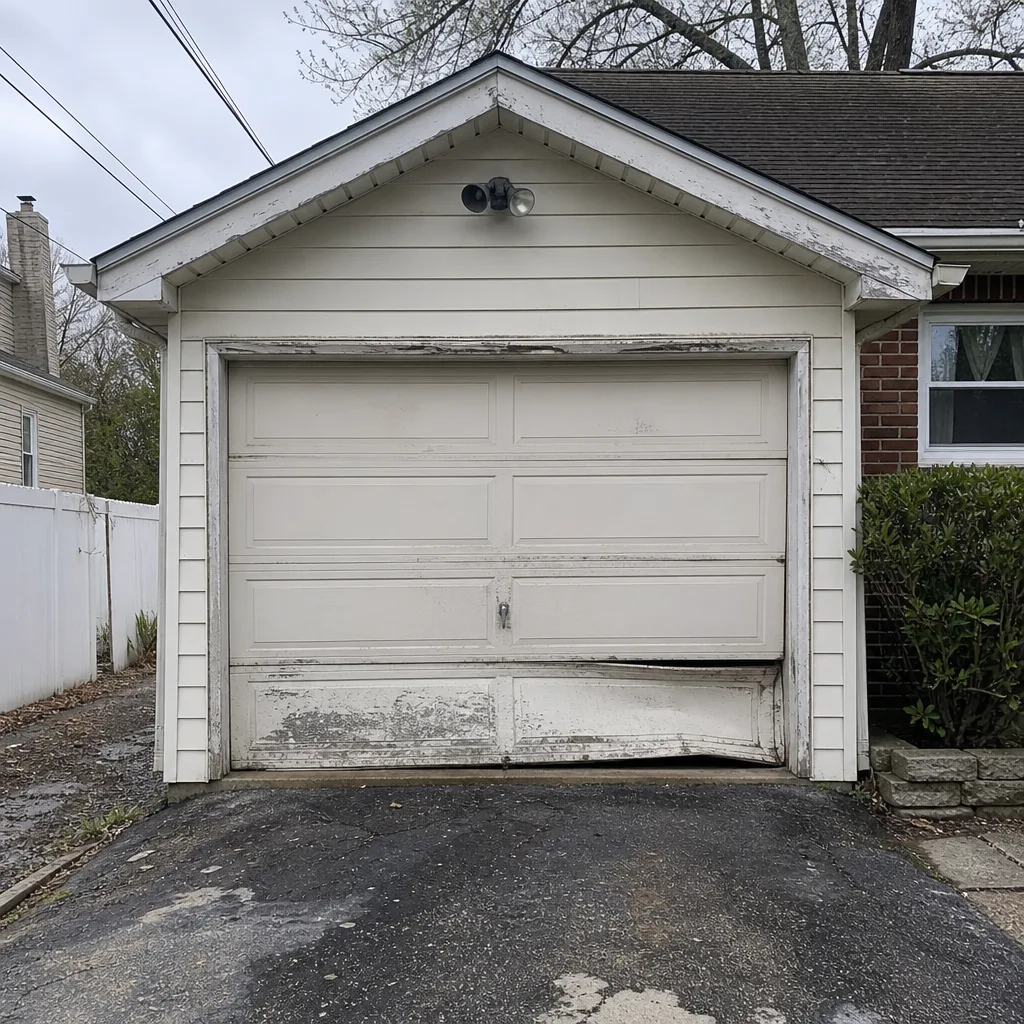 Before
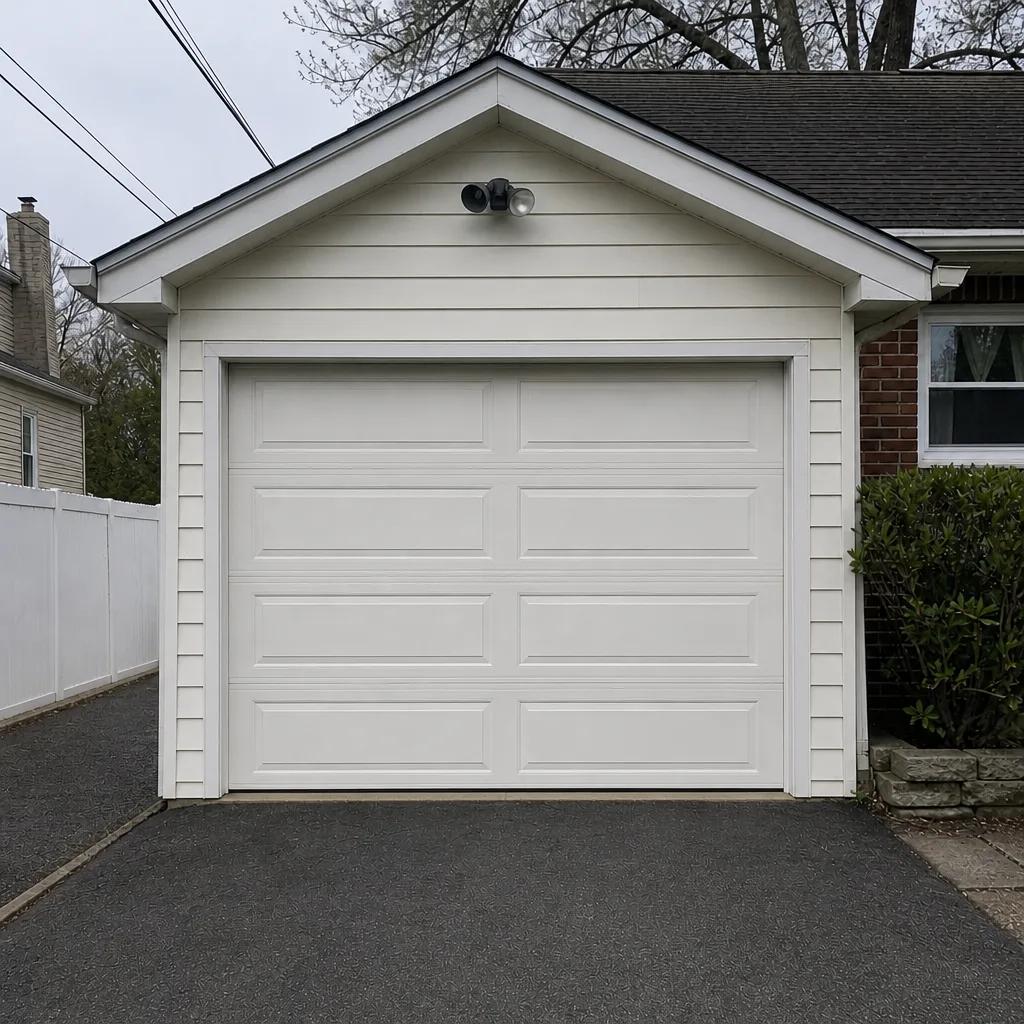 After
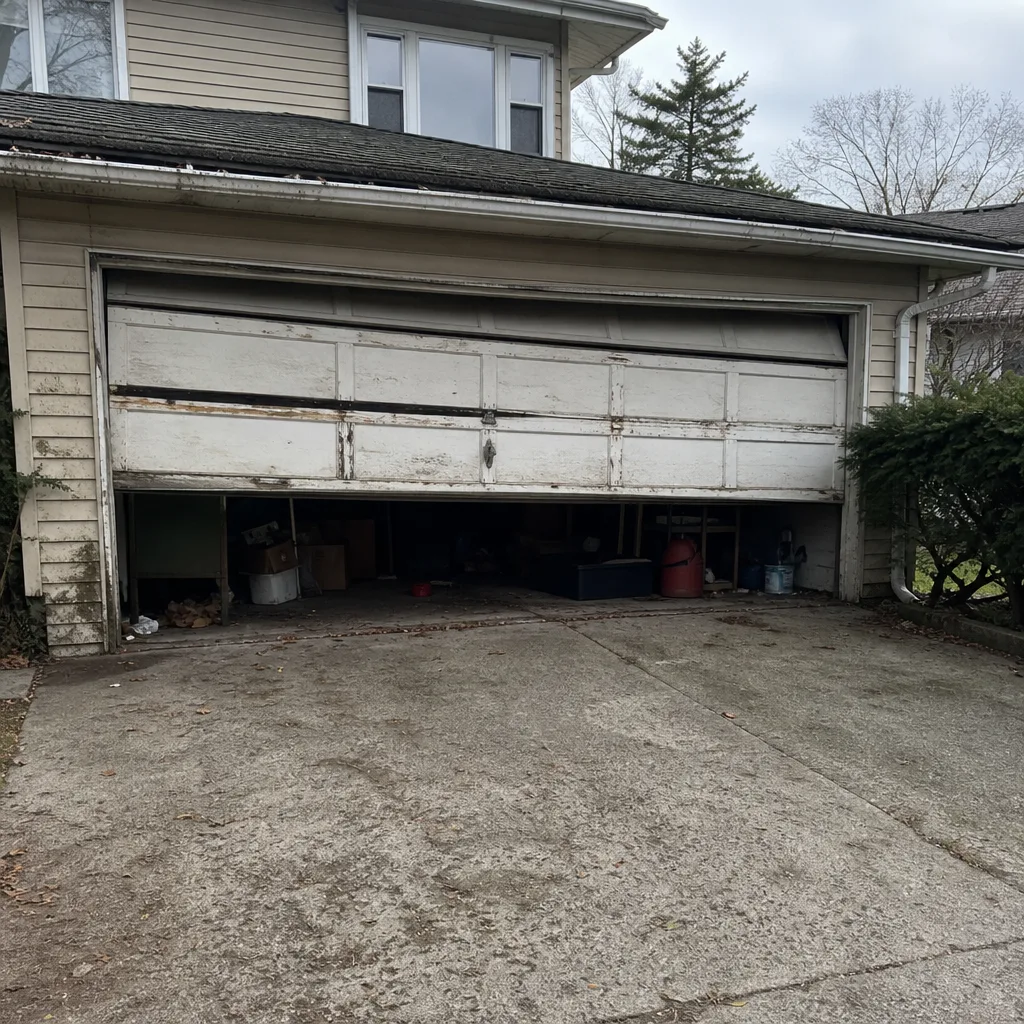 Before
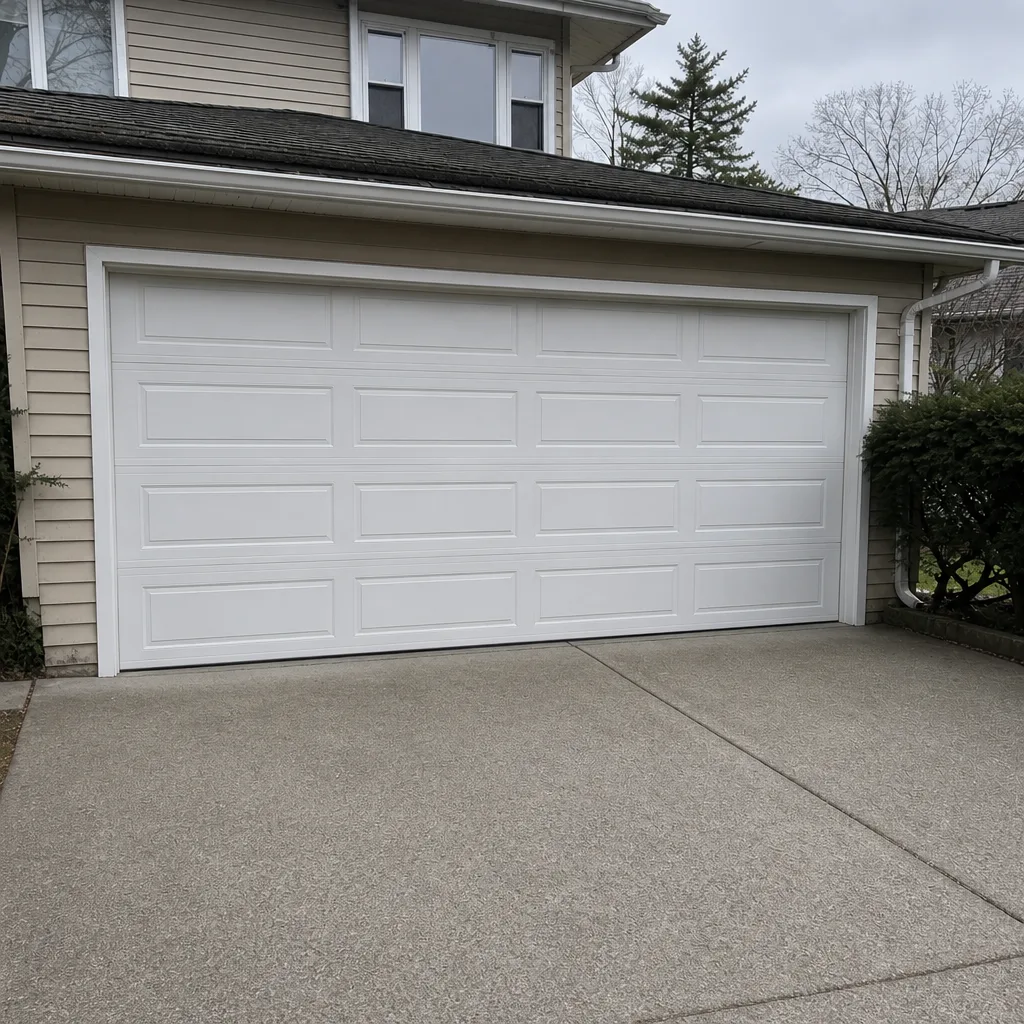 After
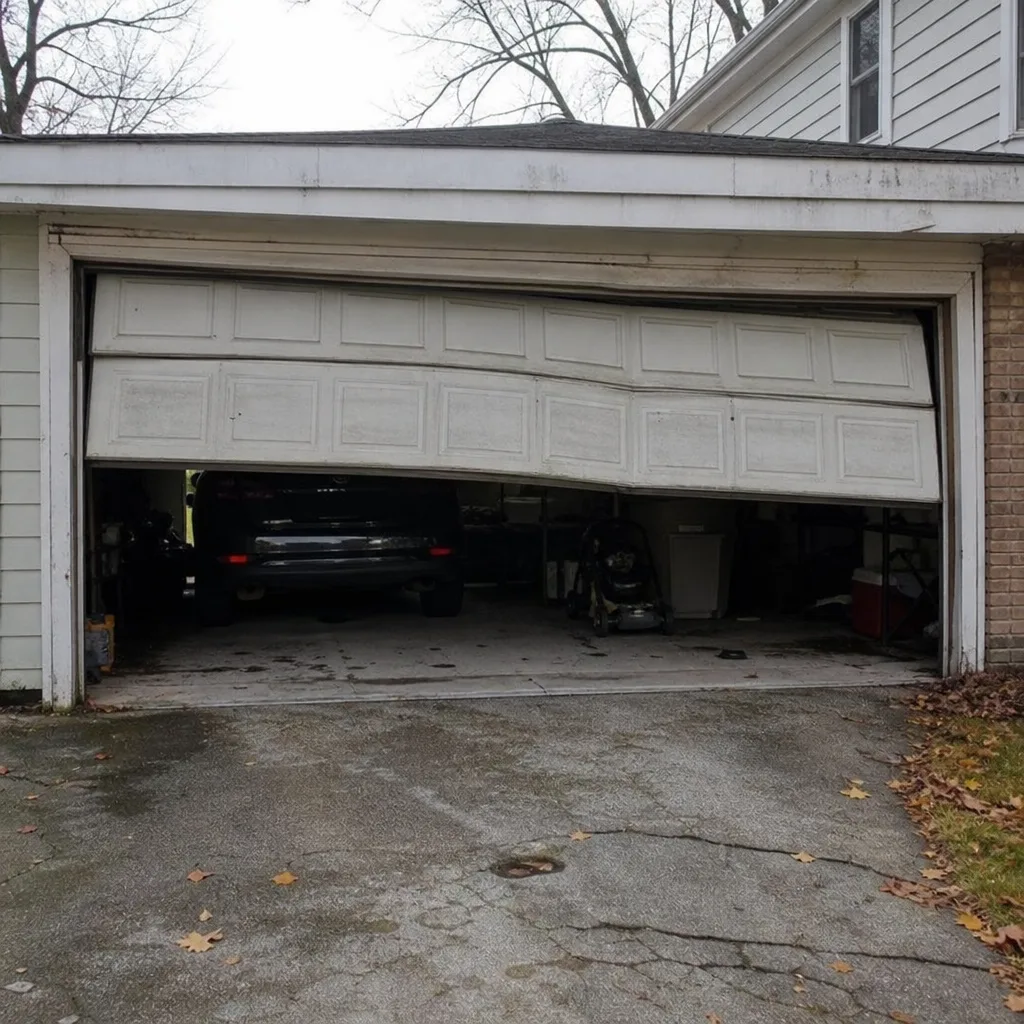 Before
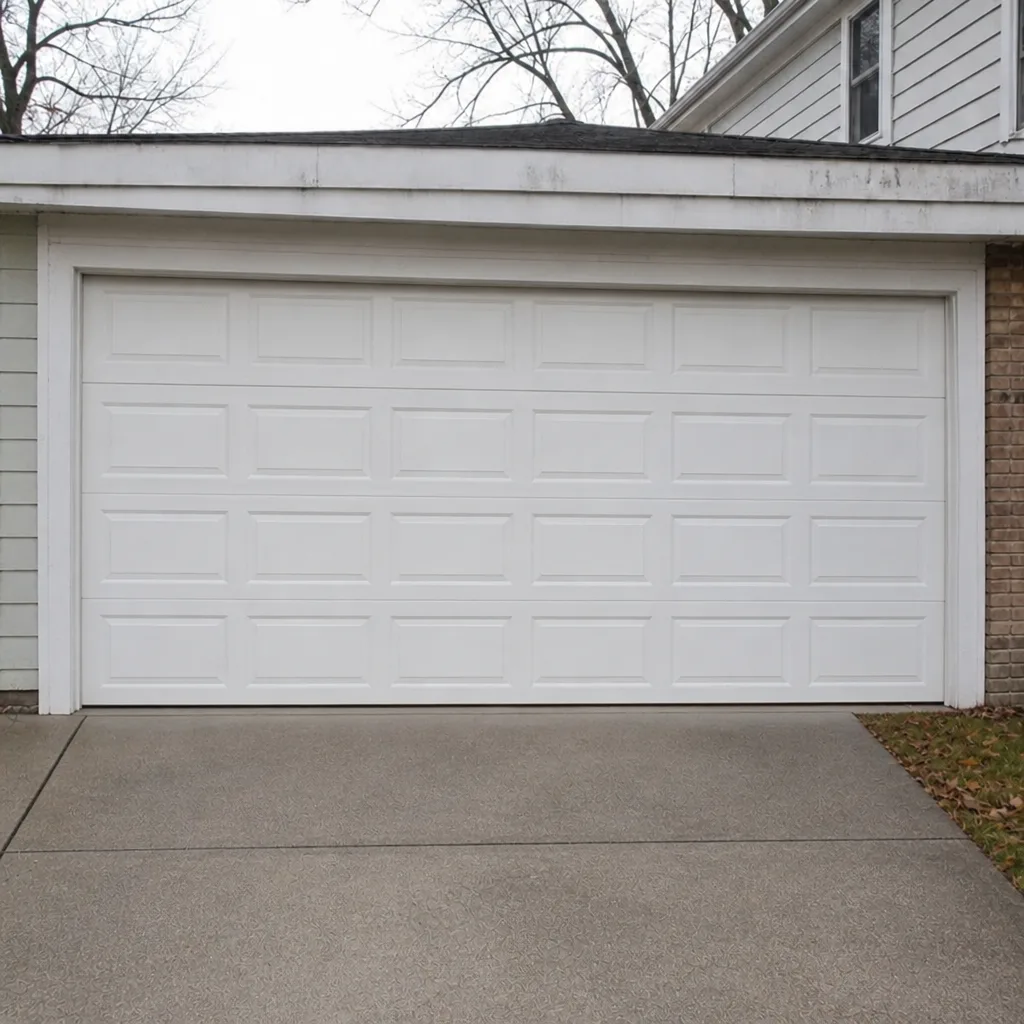 After