Last updated November 22, 2026
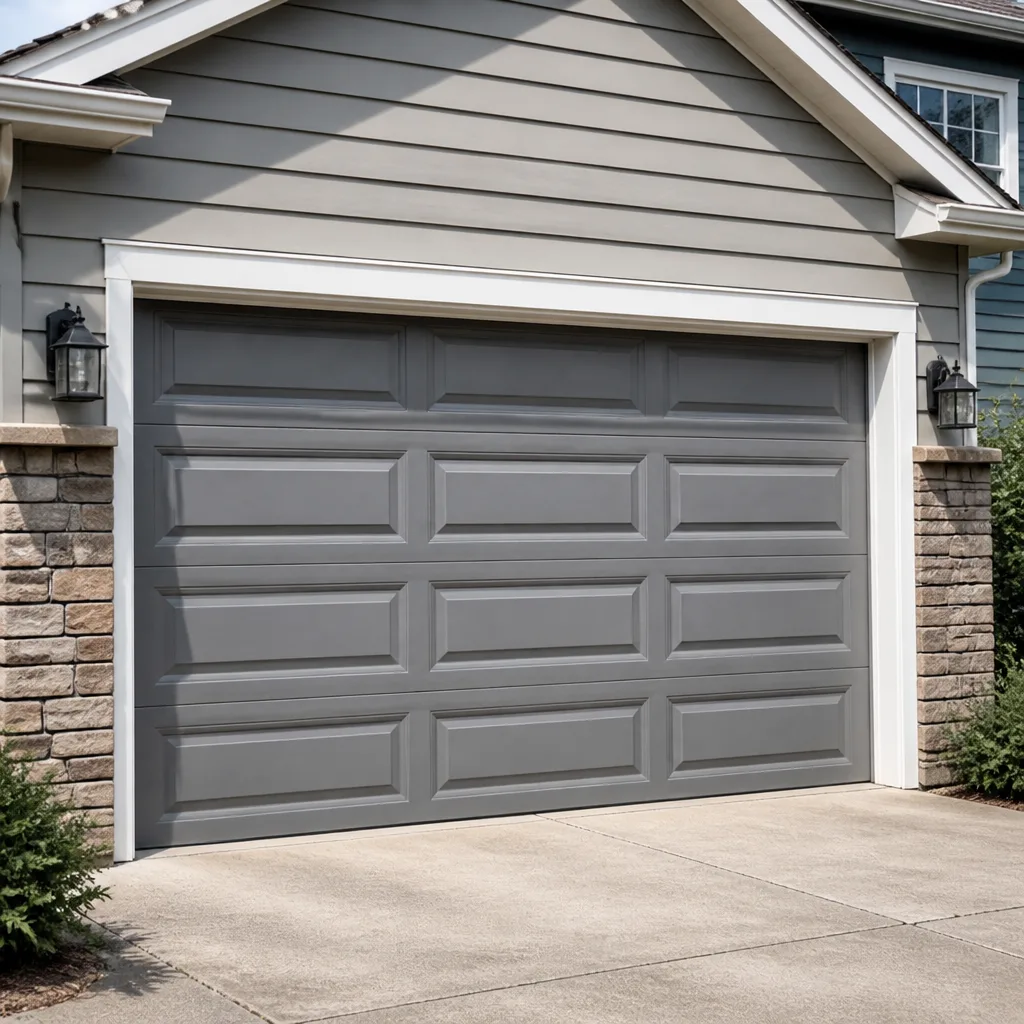 Raised-panel steel
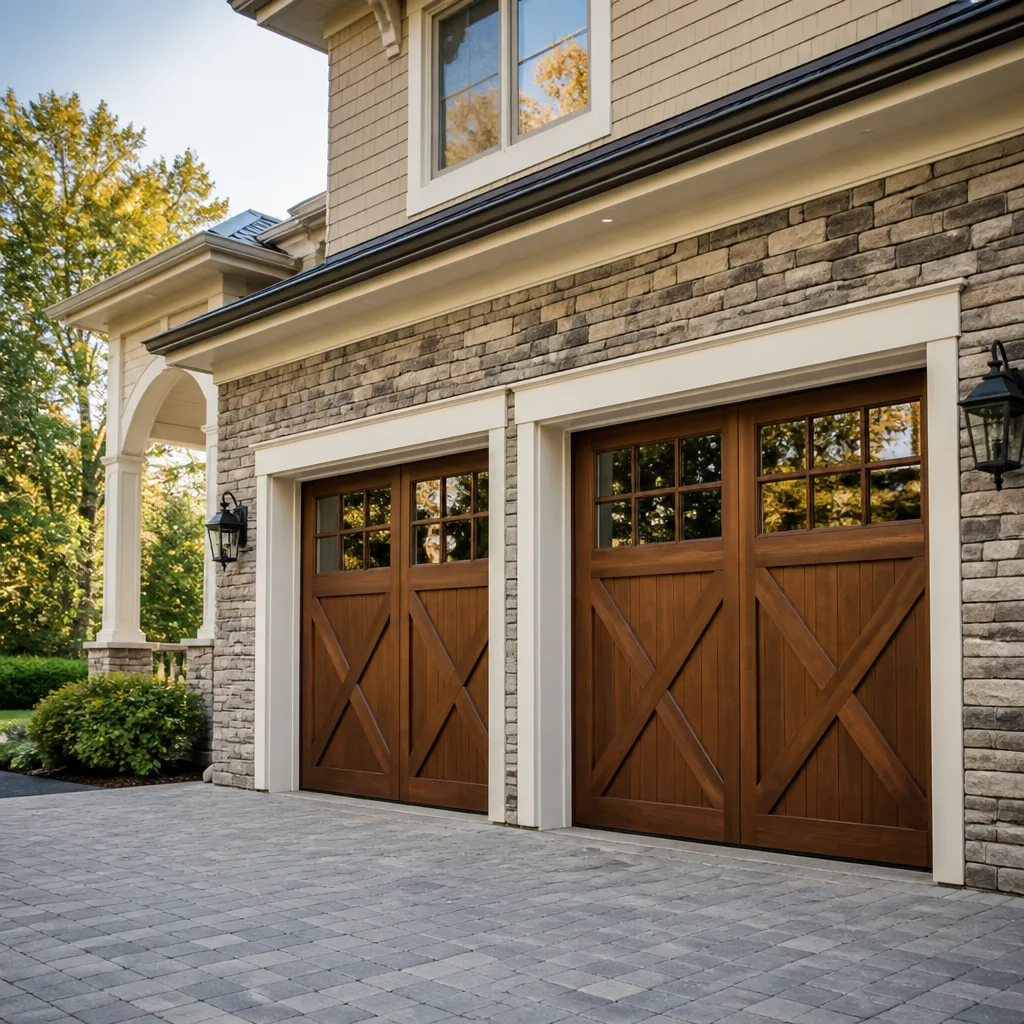 Carriage house
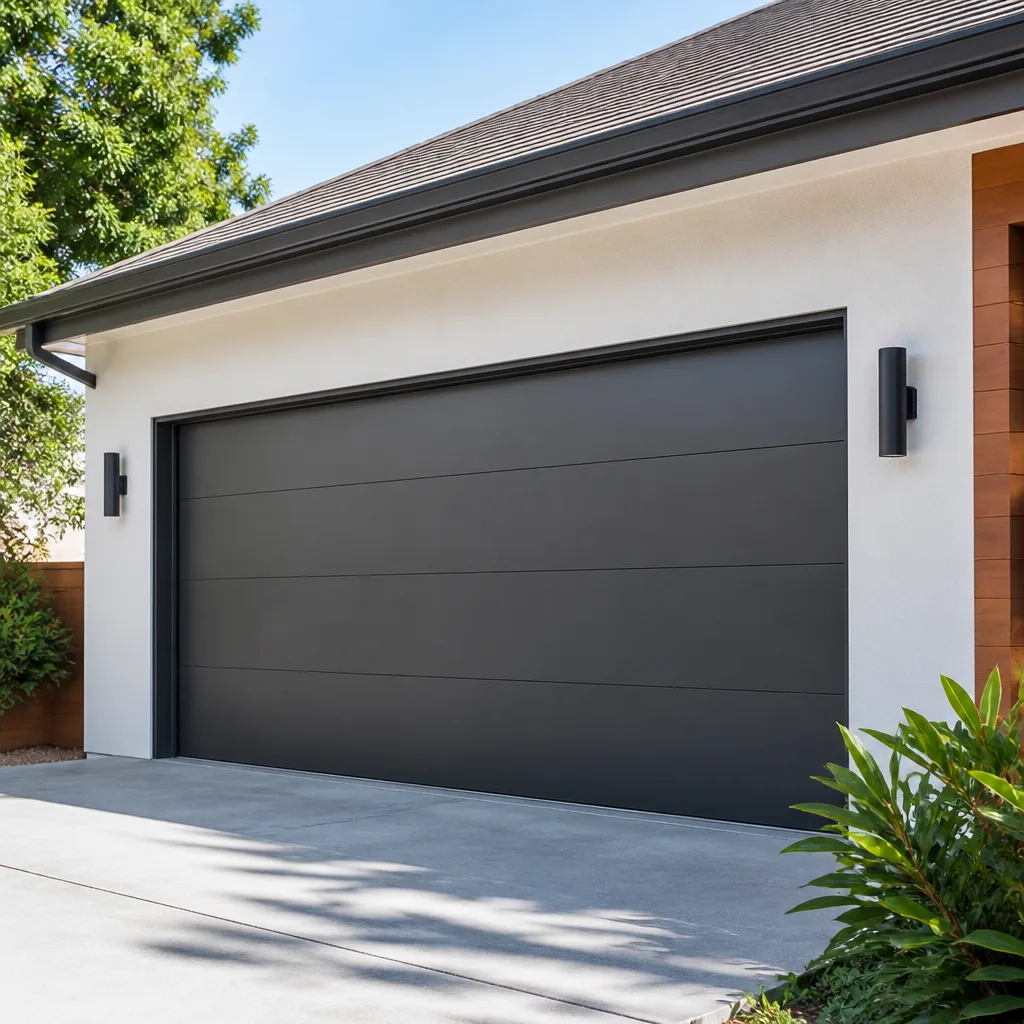 Modern flush
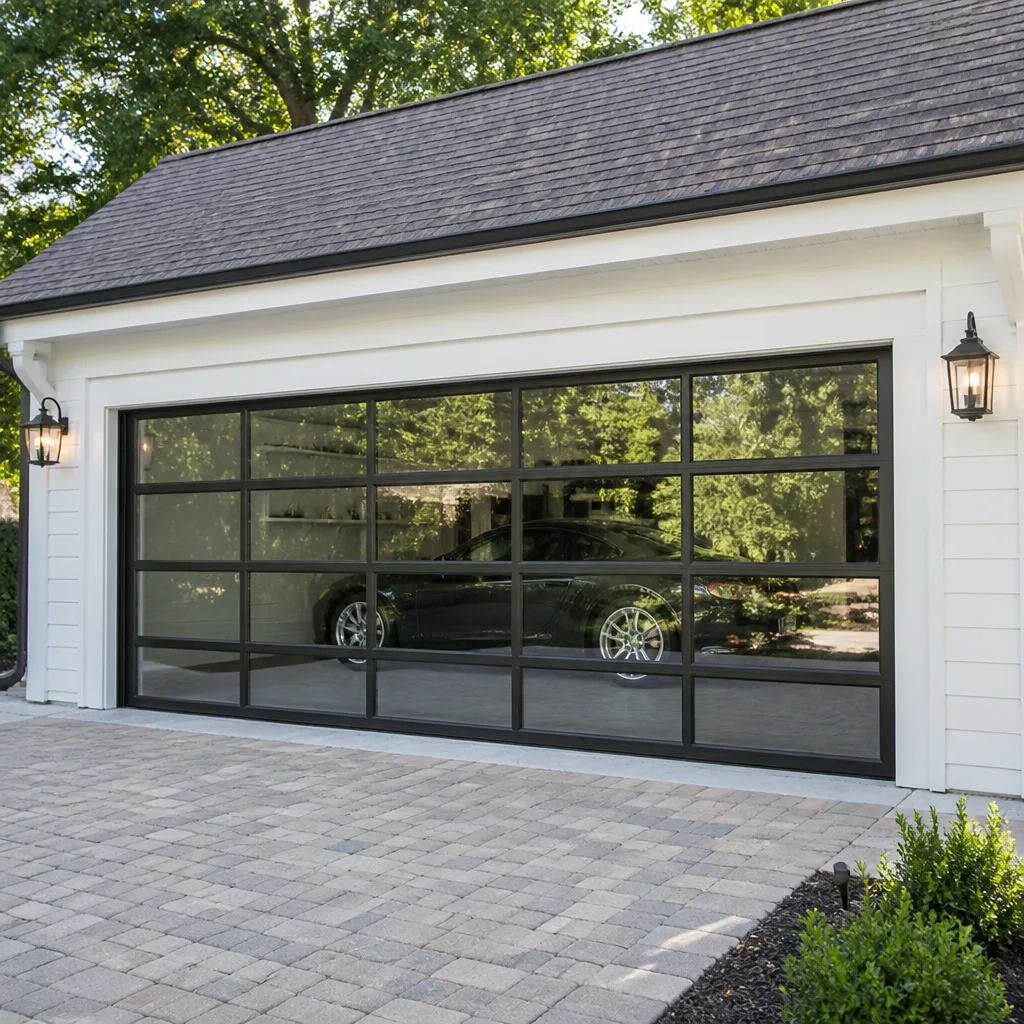 Full-view glass
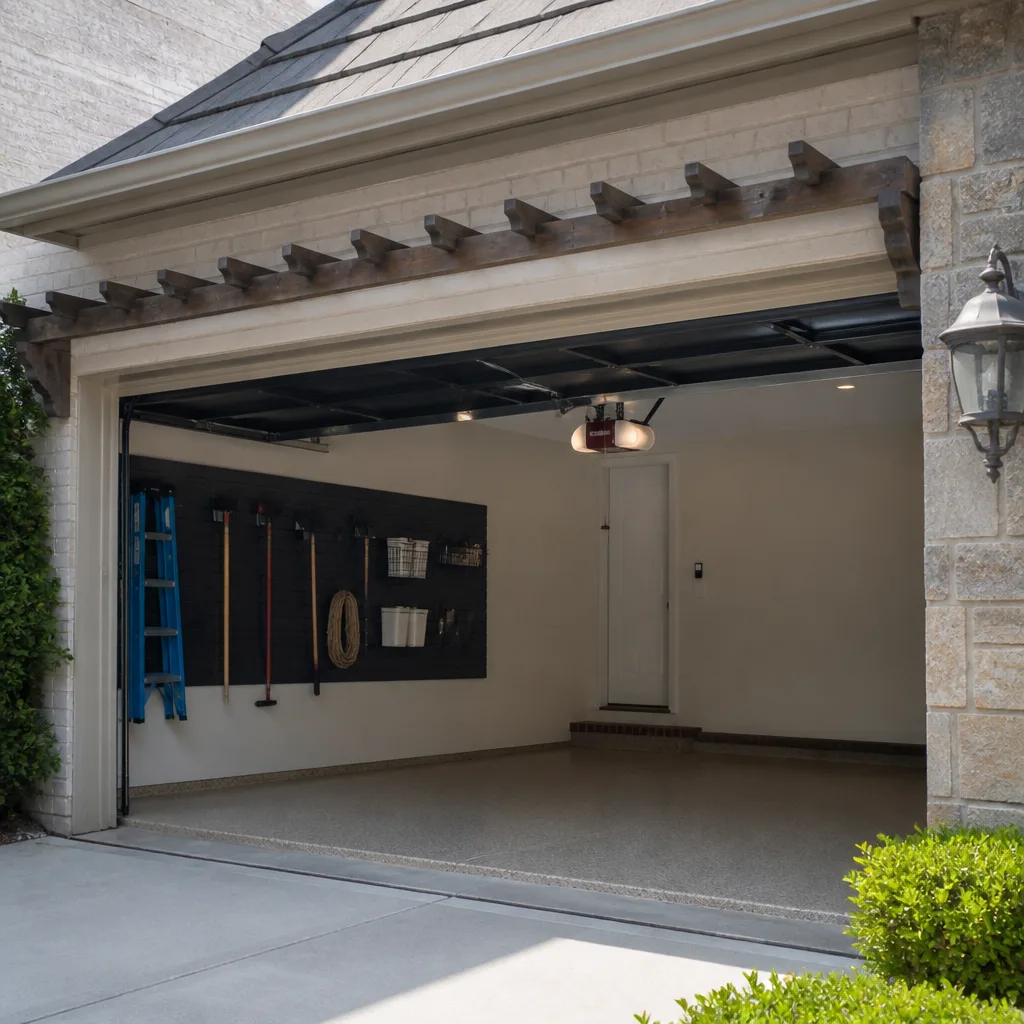 LiftMaster openers
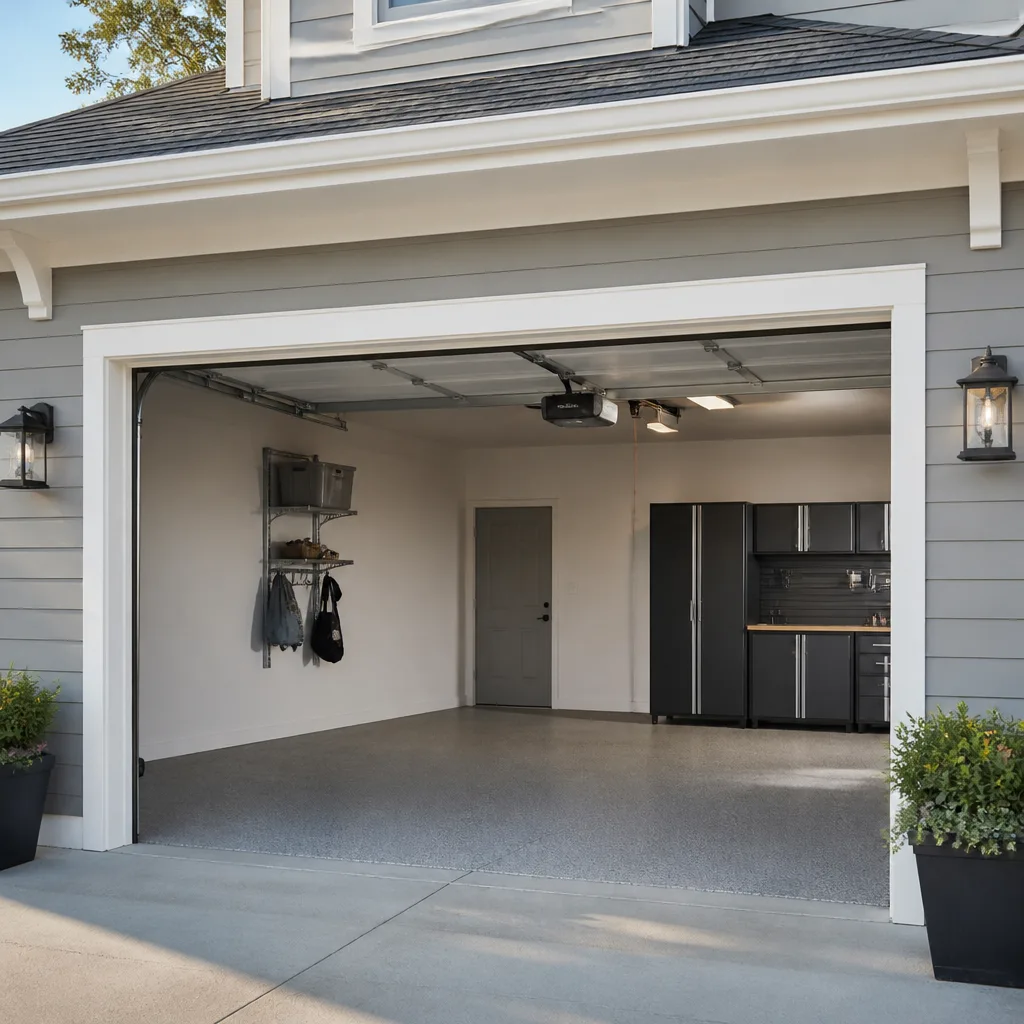 Chamberlain openers
Full 25-point door and opener safety check with every visit - springs, cables, rollers, tracks, and your LiftMaster or Chamberlain opener included
You get a price before we start. It does not change when the pro arrives.
Get your free estimateGarage Door Warning Signs: A New Rochelle Homeowner’s Reference Guide
A garage door that hesitates for half a second before moving is not “working fine.” That hesitation is your opener motor compensating for resistance it shouldn’t be fighting. And it will keep compensating until something gives. Most of the door failures we’re called out to in New Rochelle announced themselves weeks earlier: a grind that came and went, a seal that stopped touching the floor on one side, a remote that needed a second or third press. The door still opened, so nobody looked closer. This guide translates those signals into plain diagnostic language. By the end, you’ll be able to describe exactly what your door is doing, understand what it points to mechanically, and know whether you’re looking at a “schedule this soon” problem or a “stop using it right now” one.
Quick Answer
In New Rochelle, the garage door warning signs that matter most are: a single loud bang from above the door (usually a snapped spring – stop using the door immediately), grinding or squealing during travel (worn rollers, dry hinges, or a failing bearing – schedule within a week), a door that sits crooked in the frame or has visible cable slack (stop using it and call a professional), and an opener that moves slowly or reverses without obstruction (the motor is straining against resistance that needs diagnosing). Any sign involving springs, cables, or a door hanging unevenly is a safety issue, not a maintenance item. Signs involving noise, lubrication, and remote responsiveness are almost always safe to schedule.
Styles & brands we work with
- Raised-panel steel
- Carriage house
- Modern flush
- Full-view glass
- LiftMaster openers
- Chamberlain openers
Table of Contents
- Sound-by-Sound Diagnosis: What Each Noise Tells You
- Visual Signs That Are Actually Serious
- Reading Your Opener’s Behavior as a Diagnostic Tool
- Stop Now vs. Schedule Soon: The Mechanical Difference
- Why Some Warning Signs Are Brand-Specific
- How New Rochelle Weather Shapes Garage Door Wear
- How to Describe Your Problem Accurately When You Call
- Common Mistakes to Avoid
Sound-by-Sound Diagnosis: What Each Noise Tells You
Sound is the most reliable early warning system a garage door gives you, and it’s the one homeowners most often tune out. That’s understandable – the door makes noise anyway. But the type of noise narrows down the mechanism fast. Here’s how we break it down.
Grinding
Grinding usually means metal is dragging against metal where it shouldn’t. The most common sources are worn steel rollers that have lost their nylon tire, dry hinges at the section joints, or a torsion bearing that’s running without grease. Grinding that appears mid-travel and gets worse toward the top of the opening often points at the bearings or the drum. Left alone, grinding accelerates wear on the track itself, and a chewed-up track turns a roller replacement into a track replacement. This is a schedule-within-a-week sound in most cases. If the door still opens and closes smoothly, you can drive on it while you wait for a technician.
Squealing
A high-pitched squeal is usually the least urgent sound on this list. It typically comes from a dry torsion spring, dry hinges, or a nylon roller that’s about to fail. Squealing is an early signal, and the fix is often lubrication and inspection. One exception: if the squeal is coming from the opener head itself rather than the door, that’s a gear or motor issue inside the unit, and it belongs in a garage door opener repair conversation rather than a door hardware one.
Popping
A pop or snap that happens once per cycle, at the same point every time, often comes from a torsion spring that’s binding, a cable that’s jumping its drum, or a hinge that’s pulling against a section joint under stress. Popping is more concerning than squealing because it usually signals something under load releasing suddenly. If you hear it consistently at the same point in the travel, have it looked at – the underlying cause can be a spring that’s about to fail, and a failed spring is a genuine safety matter.
A Single Loud Bang
If you hear one sharp bang from the ceiling of the garage followed by the door refusing to open, or opening only a few inches with no resistance, the most likely cause is a snapped torsion spring. This is the “stop using it now” scenario. Springs are under extreme tension and store enough energy to cause serious injury. Do not attempt to open the door by hand, do not try to lift the door to check, and do not run the opener. Call for garage door spring repair and leave the door alone in the meantime. Our technicians have up to 13 years of experience working with high-tension springs, and this is exactly the call where that background matters.
Visual Signs That Are Actually Serious
Most garage doors in New Rochelle look perfectly fine from the curb. The signs that matter are usually up close, and some of them are the kind of thing you notice in passing without registering. Here’s what to actually look at.
Cable Slack
With the door fully closed, look at the cables running along each side of the door – vertical for torsion systems, along the sides for extension systems. The cables should be taut. Any visible slack, a cable that’s come off its drum, or a cable that’s resting on the bottom bracket rather than pulling against it is a stop-and-call situation. A slack cable means tension has already released somewhere in the system, and if the door is operated, the remaining cable is carrying the full load.
Uneven Gap at the Bottom Seal
Close the door and look at where it meets the floor. If one side touches down and the other leaves a visible gap – even a small one – the door isn’t level in the opening. This can come from a stretched cable on one side, a spring that’s lost tension unevenly, or a bent section after a bump. A daylight gap isn’t cosmetic: it’s air and moisture entering the garage, and it’s a sign the lifting hardware on one side isn’t matched to the other. That mismatch gets worse, not better.
Door Sitting Crooked in the Frame
Stand back and look at the door as it sits fully closed. The top edge should be parallel to the header above it, and the vertical lines of the sections should be parallel to the track. If one side sits higher, or the top edge slopes, the door has come out of alignment. In our experience this is the visual sign homeowners most often miss because it develops slowly. It’s also one of the more reliable signals of a spring or cable problem about to fail.
Bent or Cracked Sections
Dents and kinks near the bottom section are common in any garage that sees regular vehicle traffic. A bent bottom section is usually a cosmetic and sealing issue. A cracked hinge plate, a pulled section joint, or a section that bows when the door runs is more serious – it means the door’s structural baseline has changed, and the opener is now working against a shape it wasn’t designed for.
Track Deformation
Look along each vertical track. A straight track has no visible kinks or bowing. Track damage is often the aftermath of the door catching on something, and it forces the rollers to work harder on the way up and down. If the track itself is bent, the door is running on rails that no longer align with its geometry. That’s a stop-and-call situation when the door is catching, and a schedule-soon situation when it’s just visibly bowed.
Reading Your Opener’s Behavior as a Diagnostic Tool
The opener is the most communicative part of the system, and most people ignore it. Because openers are a common service call for us in New Rochelle, we’ve learned to ask customers specific questions about how the unit behaves – the answers narrow down the cause before a technician even arrives. Here’s the map.
Slow Movement
If the door has started opening or closing noticeably slower than it used to, the opener isn’t losing power – it’s meeting resistance. Something on the door is binding: a dry hinge, a worn roller, a track out of alignment, or a spring that’s lost some of its lift. The opener has a safety mechanism that senses resistance and slows travel or reverses entirely. A slow door is telling you the resistance is real. If you ignore it, the door will eventually stop lifting, and you’ll be calling for emergency garage door service with your car trapped inside.
Reversing Without Obstruction
A door that goes down partway and then reverses on its own is either detecting resistance (see above) or the safety sensors are misaligned. First check the two small sensors near the floor at each side of the door – are they facing each other, are the lenses dusty, is anything in the path? If the sensors check out and the door still reverses, the cause is usually the opener’s travel limits or a binding door. Don’t keep pressing the button hoping it will work. The opener is trying to tell you something.
Remote Lag and Range Loss
A remote that used to work from the driveway and now needs a press from inside the garage is a signal about the receiver or the remote’s battery, in that order. Replace the remote battery first; that solves most lag complaints. If the remote is fairly new and the range is still poor, the opener’s receiver board or antenna is the more likely culprit. On newer LiftMaster and Chamberlain openers, range issues sometimes coincide with smart-feature connectivity problems, and that’s worth mentioning when you call.
Lights Flickering or Strobing
An opener whose light flickers, pulses, or stays off during travel is usually reporting a fault code. On some brands, the number of flashes is a specific error indicator. Note what you see: how many flashes, how fast, and when in the cycle. That detail is worth describing to a technician – it’s often the fastest path to a diagnosis, and it’s one of the reasons brand familiarity on the service side matters.
Stop Now vs. Schedule Soon: The Mechanical Difference
Not every warning sign deserves the same response. The distinction isn’t about how annoying or how loud a symptom is – it’s about whether the failure mode can cause harm. Anything holding stored energy under tension falls into the stop-now category. Anything that’s a wear-and-adjustment issue belongs in the schedule-soon pile.
Stop operating the door immediately if:
- You heard a single loud bang and the door now feels light or won’t lift. Likely a snapped spring. The remaining spring (if there is one) is carrying a load it wasn’t designed to hold alone.
- A cable is visibly slack, off its drum, or touching the bottom bracket. Released tension means the system is no longer balanced; operating the door can cause the cable to whip.
- The door sits crooked in the frame or is hanging from one side. This is a spring, cable, or anchor failure in progress.
- The door came off the track, or one roller has left the track. Running the opener will bend the track and damage sections.
- You hear a grinding or popping from the torsion bar at the top of the door. That’s the highest-energy part of the system.
Schedule within the week if:
- The door is noisy but moves evenly. Grinding, squealing, or popping that doesn’t affect travel is usually a roller, hinge, or bearing service.
- The opener is slow but the door still reaches fully open and fully closed. Resistance is building but hasn’t reached a failure point.
- The bottom seal leaves a small gap on one side. Alignment or seal wear that isn’t yet affecting door travel.
- The remote works erratically or the range has dropped. Usually a battery, receiver, or sensor issue rather than a mechanical one.
- The door reverses intermittently but not consistently. Something in the safety sensor path needs diagnosing.
The mechanical reason behind the split is simple: springs, cables, and the torsion bar hold enough stored energy to injure someone who touches them when they’re under load. The rest of the system – rollers, hinges, track, opener electronics – is a wear item. Wear items get scheduled. Load-bearing items under tension get left alone until a trained professional handles them. Our technicians have up to 13 years of experience with exactly this distinction, and we’d rather talk you out of running a door that shouldn’t be run than fix the aftermath.
Why Some Warning Signs Are Brand-Specific
Garage doors and openers are built to broad standards, but each brand has its own characteristic failure patterns. Knowing what your brand tends to do helps you interpret a warning sign more accurately. Our team is factory-familiar with eight major brands – LiftMaster, Chamberlain, Genie, Clopay, Amarr, Wayne Dalton, Craftsman, and Raynor – and we work on the door you have rather than steering you toward a replacement because we prefer one product line. Here’s a sample of what brand familiarity looks like in practice.
LiftMaster and Chamberlain Openers
These two share a lot of engineering, and their typical warning signs overlap: travel limit drift after a few years, sensor misalignment on busy garage doorways, and gear wear inside the unit that shows up as a rhythmic clunk on travel. On newer models with smart features, we see connectivity drops alongside light-code faults. If your LiftMaster or Chamberlain is reversing without obstruction, the sensors are the first thing we check.
Genie Openers
Genie units often show early signs through the wall console or remote – range loss and intermittent non-responsiveness are common complaints. Mechanically, older Genie openers develop gear and chain noise that sounds worse than the actual issue; the noise often resolves with lubrication and adjustment rather than replacement. A slow Genie door in New Rochelle is more likely to be a door-side problem than a motor problem.
Craftsman Openers
There are a lot of Craftsman openers in the area because they were installed widely in homes built or updated over the last couple of decades. Craftsman units often show their age through the remote and receiver – the remote needs fresh batteries more often, and the effective range shortens noticeably before the opener itself fails. If your Craftsman remote is laggy, the first question is battery age.
Raynor and Wayne Dalton Doors
On the door side, Raynor and Wayne Dalton both make solid products, and their wear patterns are usually in the same places – rollers, hinges, and bottom brackets. Wayne Dalton doors with proprietary TorqueMaster torsion systems behave a little differently than a standard torsion setup when a spring reaches the end of its life, and the sound is sometimes quieter than homeowners expect. A “quiet failure” is still a failure; if the door suddenly becomes easy to lift by hand, stop using the opener and call.
If you don’t know what brand your door or opener is, don’t worry about it. There’s usually a label on the inside of the door and a plate on the opener head, but a technician can identify either within a minute of arriving. What matters more than brand recall is accurate description: tell us what the door is doing, and if the answer is brand-specific, the familiarity is our job, not yours.
How New Rochelle Weather Shapes Garage Door Wear
A garage door in New Rochelle goes through a wide range of conditions over a year. Summers bring humid stretches that work on wood components and accelerate rust on steel tracks and hardware. Winters bring freeze and thaw cycles that affect how the door sits against the floor and how the seals perform. The result is that certain warning signs here follow a predictable seasonal rhythm, and knowing the rhythm helps you know when to look.
In late fall and early winter, expect to see bottom seal gaps develop – the door and the concrete slab expand and contract at different rates, and a seal that closed tight in October can leave daylight by December. That’s a schedule-soon sign, not an emergency, but it’s worth catching before the cold air gets in. Spring sees the highest volume of spring failures, partly because a door that’s been sitting through a cold winter has been through dozens of load cycles under freezing conditions. A door that sounds fine in January can surprise you in April.
Summer humidity is when track and hardware maintenance matters most. Steel tracks and hinges that were fine in dry weather develop rust, and rust causes binding. If you hear grinding start in July and it wasn’t there in May, that’s the season talking. And wind events – more common on the higher ground toward the northern parts of the city and along the shore of the Sound – put pressure on the door and seals. If you notice the door moving or rattling in the track during a strong gust, that’s a sign the seal and bottom astragal need attention.
How to Describe Your Problem Accurately When You Call
Accurate description is the single biggest thing a homeowner can do to speed up a diagnosis. When you call about a garage door problem, the more specific you can be, the better prepared the technician will be – and in the case of an emergency call, better prepared makes a real difference. Here’s a checklist to run through before you dial.
- What’s the door doing? Not opening. Not closing. Reversing. Moving slowly. Making noise in a specific spot. Be literal; skip interpretation.
- What’s the sound? Bang, pop, grind, squeal, clunk, rhythmic tap. Describe the pitch and whether it happens at the start of travel, mid-travel, or at the bottom.
- Is the door even or crooked? Look at the gap at the floor and the alignments at the header. Note which side is affected.
- What’s the opener doing? Lights flashing? Remote not working? How many flashes on the light? Slow travel? Reversing on its own?
- What brand are the door and opener? If you can see a label, read it. If not, describe anything recognizable – a model name, a logo, the shape of the opener head.
- Has the door been operated since the symptom began? If yes, note how many times. This matters for spring and cable issues.
- Has anything been done to the door recently? A child’s basketball, a bumped car, a new paint job, a recent power outage – each can point at a cause.
We can help you sort through what’s important on the call; you don’t need to have it all worked out before you dial. But those seven answers take five minutes and save time on the back end.
Common Mistakes to Avoid
- Calling a hesitation “normal.” A half-second lag isn’t normal; it’s resistance building. Running the door through the lag eventually turns a cheap bearing replacement into a track or spring job.
- Pulling the manual release on a broken spring. The red cord looks like the obvious thing to try, but on a torsion system with a failed spring, releasing the door by hand can drop it. Springs and cables are not a DIY repair; call for garage door repair instead.
- Lubricating everything. Some hinge points take lubrication; some don’t. Greasing the tracks is a common mistake – they’re meant to stay dry, and grease attracts grit that accelerates roller wear. Use the right product on the right part, or ask what to use.
- Assuming a slow opener means a failing opener. Most slow openers in New Rochelle turn out to be door problems – a binding roller, a dry hinge, a track out of alignment. Replacing the opener because of door resistance replicates the problem.
- Ignoring the bottom seal gap because it’s small. A small gap grows. It also lets in moisture that works on the bottom section and the bottom bracket. Sealing is one of the cheapest preventive fixes on the door.
- Chasing replacement when repair is the answer. A door that’s noisy, off-alignment, or slow to respond is usually a repair conversation. Replacement makes sense when the door’s sections are structurally compromised or when the door has reached the point where repairs total out more than a new door – not before.
- Not writing down the symptoms. A grinding noise that comes and goes is easy to forget by the time a technician is at your door. Keep a note on your phone: the date, the sound, the door position. It’s the difference between “it’s been making noise” and a diagnosis.
See the difference
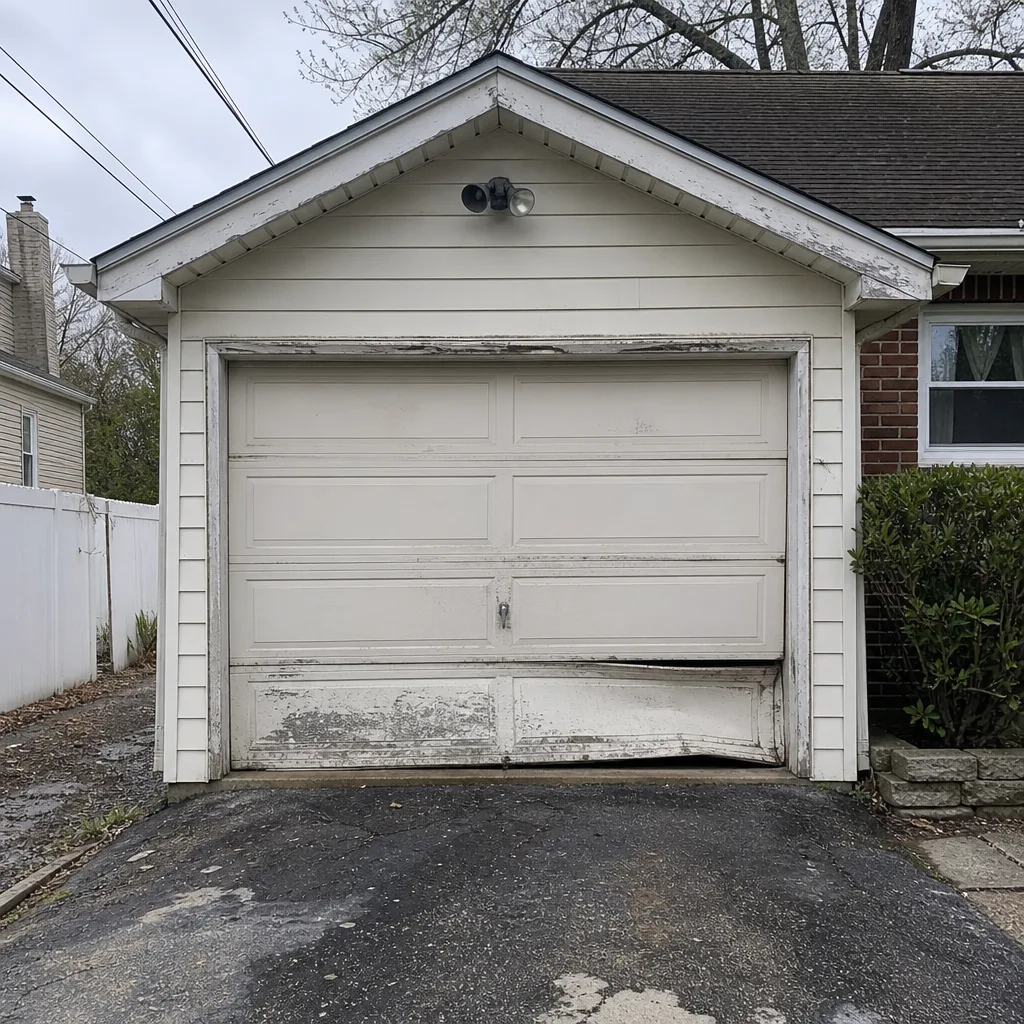 Before
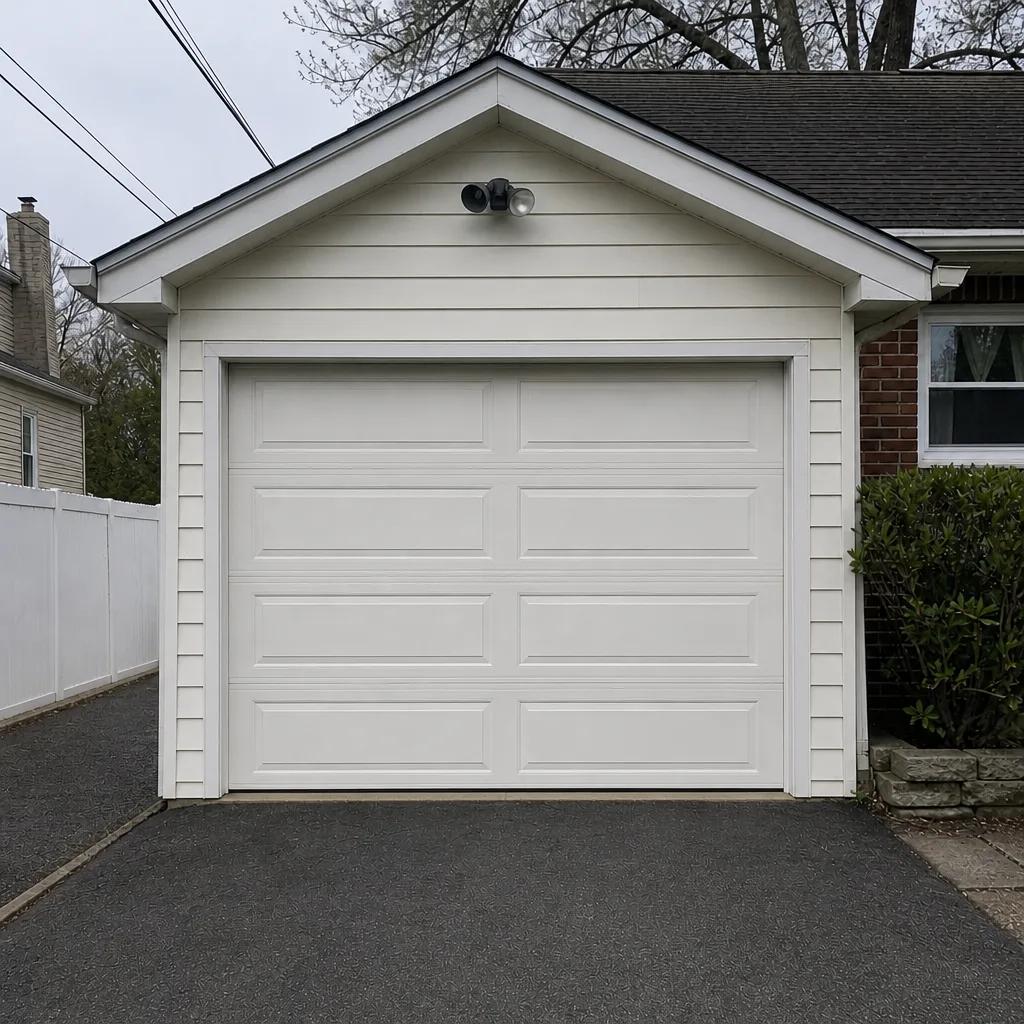 After
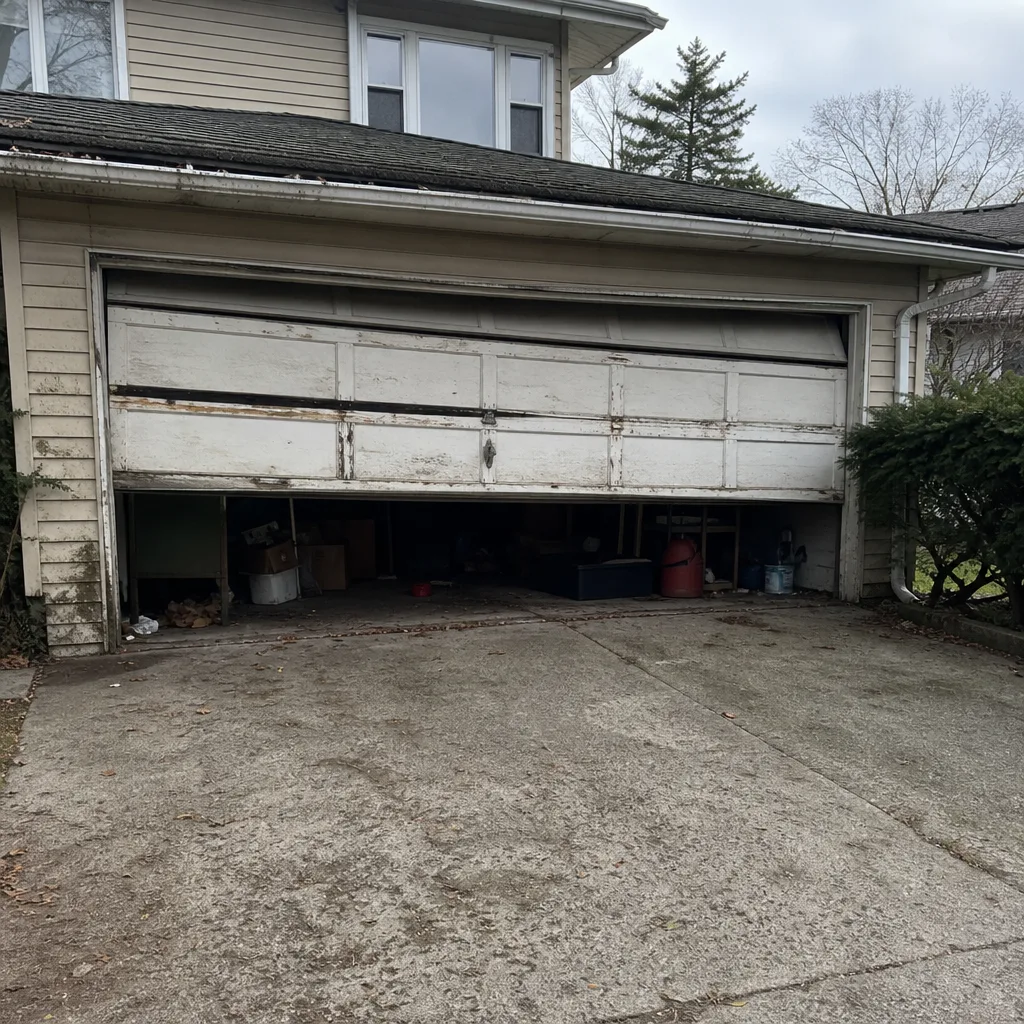 Before
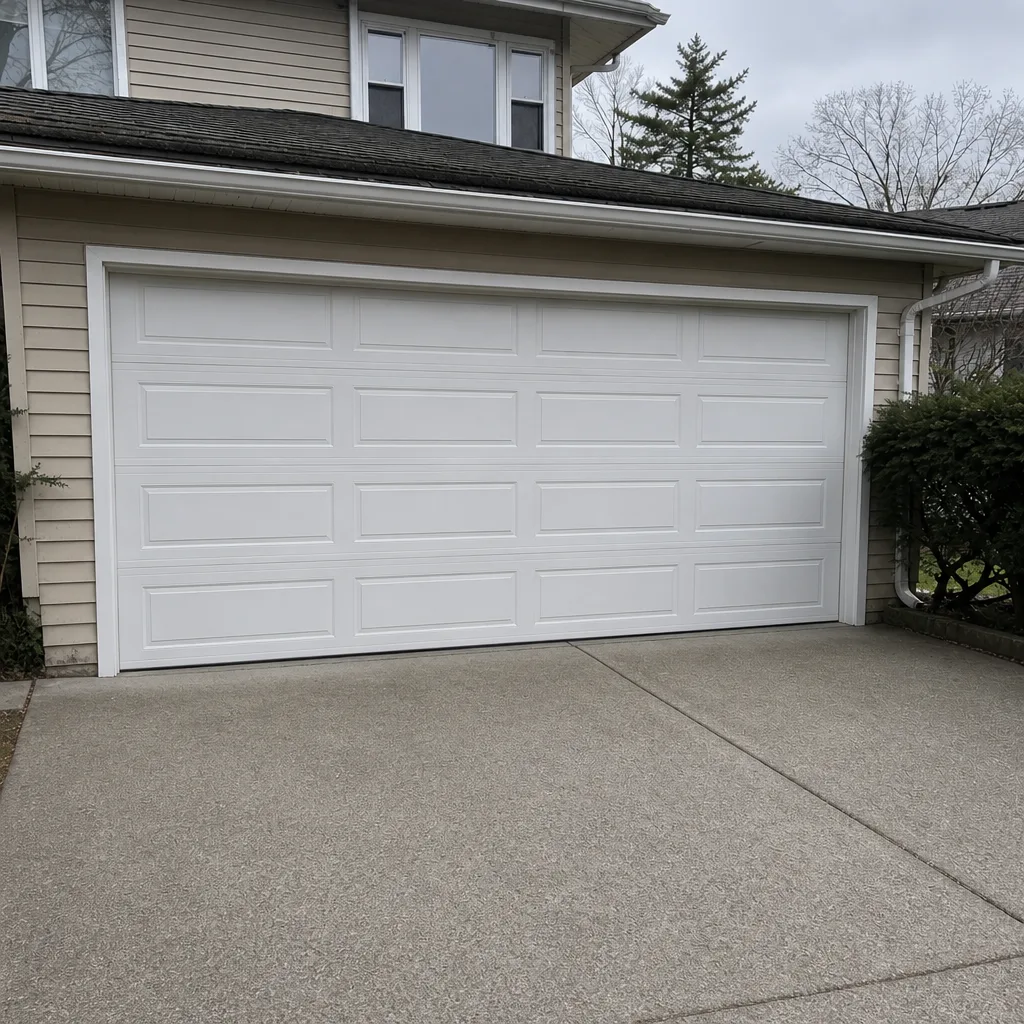 After
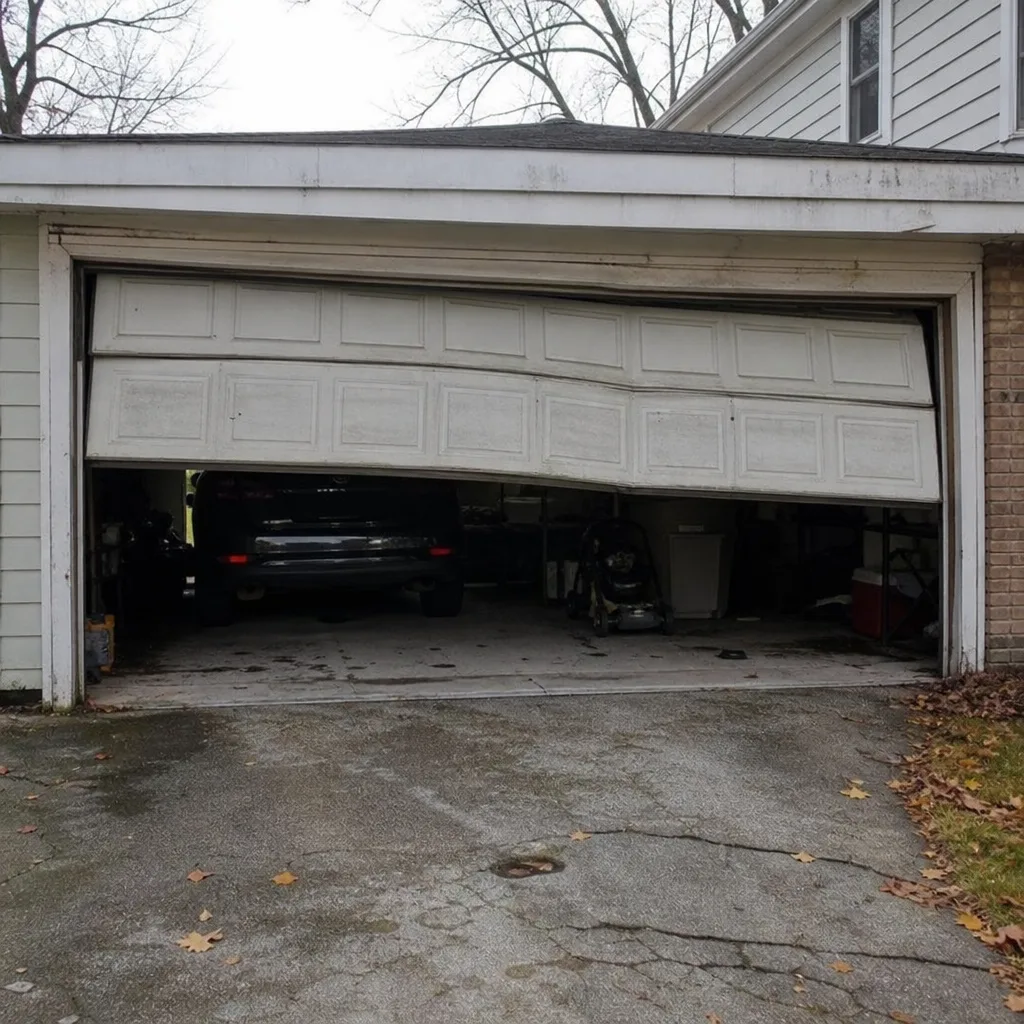 Before
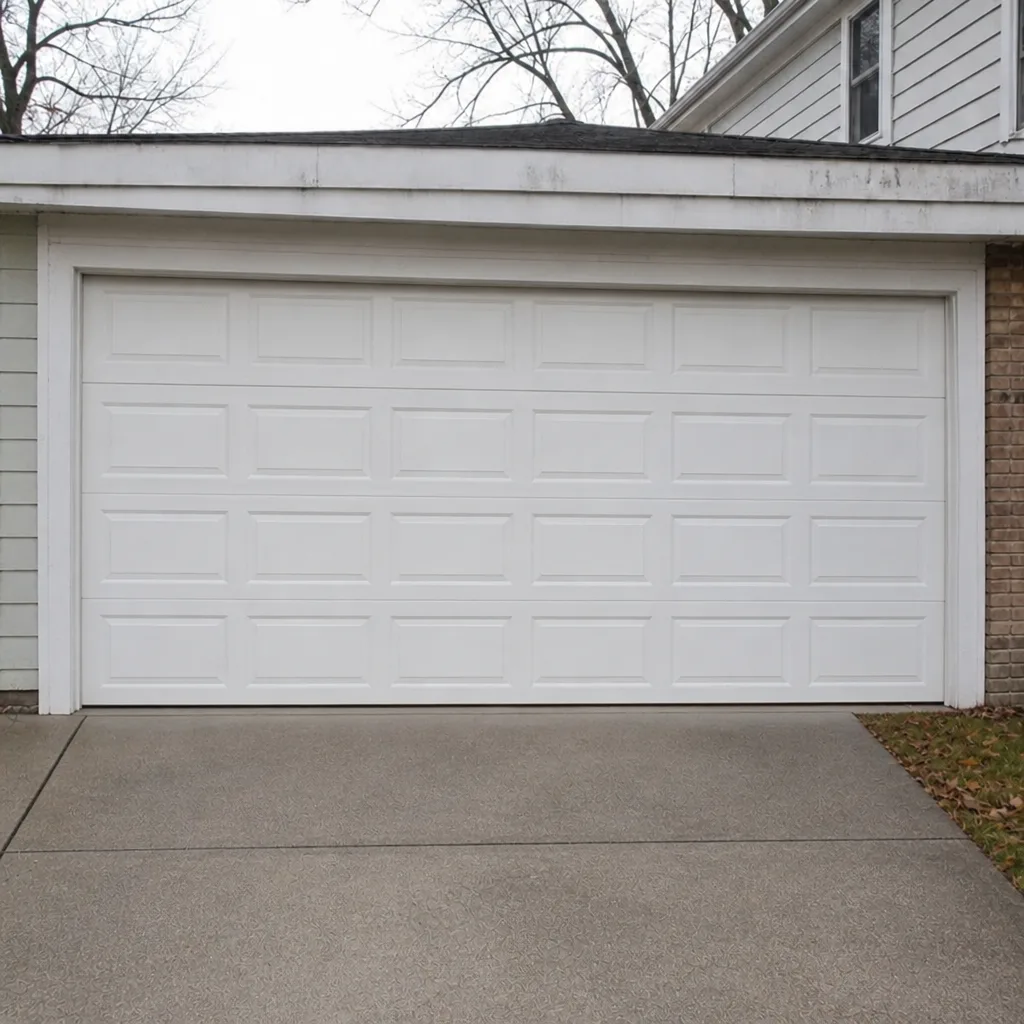 After
When to Call a Professional
Some warning signs are worth watching for a few days; others need a technician on the way. Call us if: you heard a bang or pop from the torsion bar, a cable is slack or off its drum, the door is hanging crooked, the door came off the track, or the door has become easy to lift by hand. These are safety signals and belong in the hands of someone trained for the work. Call for any sign where the door doesn’t fully open or close, since a door that won’t close leaves a home unsecured and a car trapped. And call for any opener behavior that persists past a remote battery replacement – reversing, strobing lights, or a unit that’s doing nothing at all.
New Rochelle Garage Door Repair Co offers free estimates in New Rochelle – call (844) 385-8447. Emergency garage door service is a real service we offer, not an upsell for people who could have waited. Our technicians have up to 13 years of experience and are ready to diagnose exactly what’s wrong with your specific brand. If you can describe what the door is doing, we’ll tell you whether it’s urgent and what to expect.
Frequently Asked Questions
A single loud bang from above the door, followed by the door feeling light or refusing to lift, is the most serious warning sign. That combination almost always means a torsion spring has failed. The door should not be operated, and the remaining spring or cable should not be touched. Call for garage door spring repair – technicians are trained to work with springs under tension, and the work is genuinely hazardous without that training. Call (844) 385-8447 and we’ll get the process started.
Yes, in most cases – grinding without other symptoms is usually a roller, bearing, or hinge issue that’s safe to operate while you wait for a scheduled service. The exception is grinding that’s paired with a slow door, a crooked door, or a door that doesn’t run all the way up. Those combinations point at something binding under load, and continuing to run the door can damage the track. If the grinding is new and it’s the only symptom, schedule the repair this week and drive on it in the meantime. Call (844) 385-8447 to book an estimate.
Hesitation means the opener is detecting resistance before it can start lifting the door. Common causes are a dry hinge, a roller that’s flat-spotted, a track that’s slightly out of alignment, or a spring that’s lost some of its lift. The opener’s safety system is doing its job – and it will keep moving the door as long as it can, until it can’t. That’s why hesitation should be investigated while the door still opens, not after. Call (844) 385-8447 for a free estimate and we’ll identify what the motor’s fighting.
Neither is more prone; they just have different characteristic patterns from other brands. LiftMaster and Chamberlain tend to show age through travel limit drift, sensor misalignment, and gear noise, and on newer units you’ll sometimes see smart-feature connectivity warnings alongside light-code faults. Our team is factory-familiar with both brands and 8 in total across door and opener manufacturers, so whichever unit you have, we can read what it’s telling us. The warning signs are the same language – the interpretation is what changes. Call (844) 385-8447 to talk through what yours is doing.
Yes, a crooked door should be treated as a stop-now sign even if it’s still opening. Crookedness almost always means a spring or cable is no longer matched side-to-side, and the door is relying on one side to carry a load it wasn’t designed to carry alone. Operating a crooked door can cause the failure to happen while the door is in motion, which is the worst-case scenario. Stop using it and call (844) 385-8447. The estimate is free, and the sooner a crooked door is corrected, the less likely it is to fail in a way that damages sections or tracks.
Openers need less frequent attention than door hardware, but the behavior is worth monitoring. The opener relies on the door being balanced and smooth; when the door gets noisy or resistant, the opener works harder and its components wear faster. A yearly check of the opener’s travel limits, force settings, and safety reversal is worth doing as part of a door service. On smart openers in particular, keeping the unit’s firmware current and checking that remotes are responsive catches small issues before they become inconvenient ones. If your opener is doing something odd, call (844) 385-8447 and we’ll see you for a free estimate.
The Bottom Line
Most garage door failures are announced. A door that hesitates, grinds, squeals, sits crooked, or reverses without obstruction is giving you a specific signal about resistance, wear, or failure in progress. The trick is knowing which signal belongs in “stop using it now” and which belongs in “schedule within the week” – and the split comes down to whether the failing part holds stored energy under tension. Springs, cables, and the torsion system: stop. Rollers, hinges, seals, and opener electronics: schedule. Knowing which signs are brand-specific to your LiftMaster, Chamberlain, Genie, or Craftsman opener helps you interpret what you’re seeing more precisely. If you’re not sure which category your symptom belongs in, call.
If your door is telling you something in New Rochelle, we’re ready to listen. New Rochelle Garage Door Repair Co handles diagnosis, repair, opener service, spring repair, and new installation, and we work on the door you already have. Whether the door is warning you or the opener is misbehaving, we’ll give you a straight answer about what it needs. Call (844) 385-8447 for a free estimate, and mention what brand your garage door and opener are if you know – we’re trained and experienced on LiftMaster, Chamberlain, Genie, Clopay, Amarr, Wayne Dalton, Craftsman, and Raynor, and we can help.
Written by the team at New Rochelle Garage Door Repair Co.