Last updated November 22, 2026
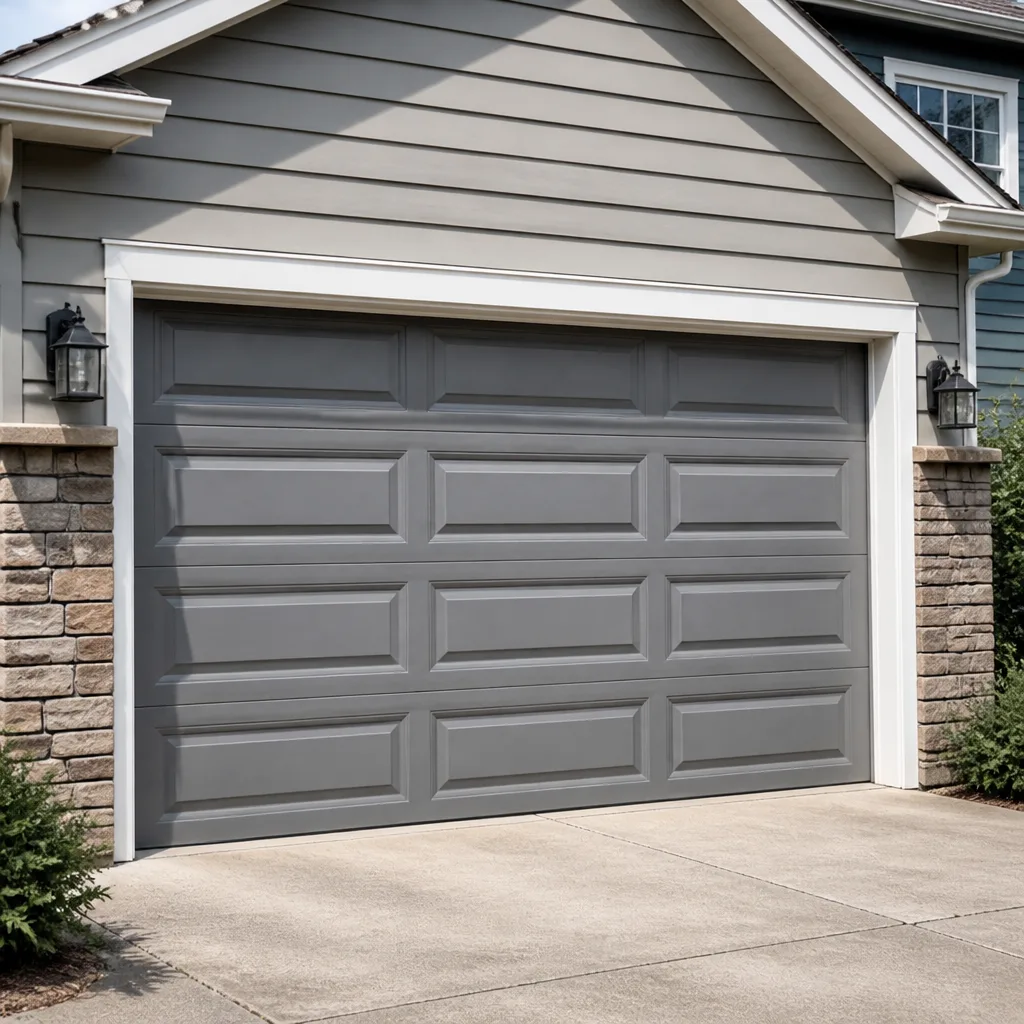 Raised-panel steel
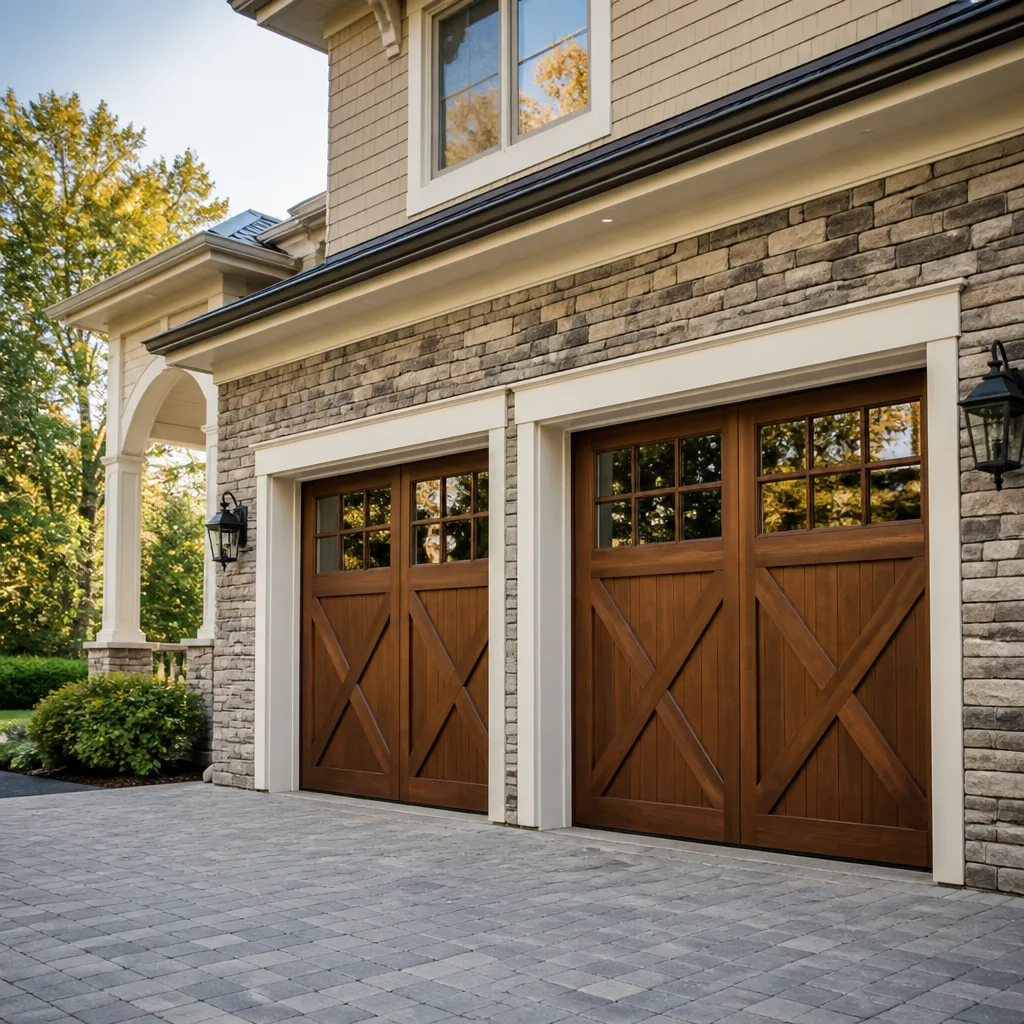 Carriage house
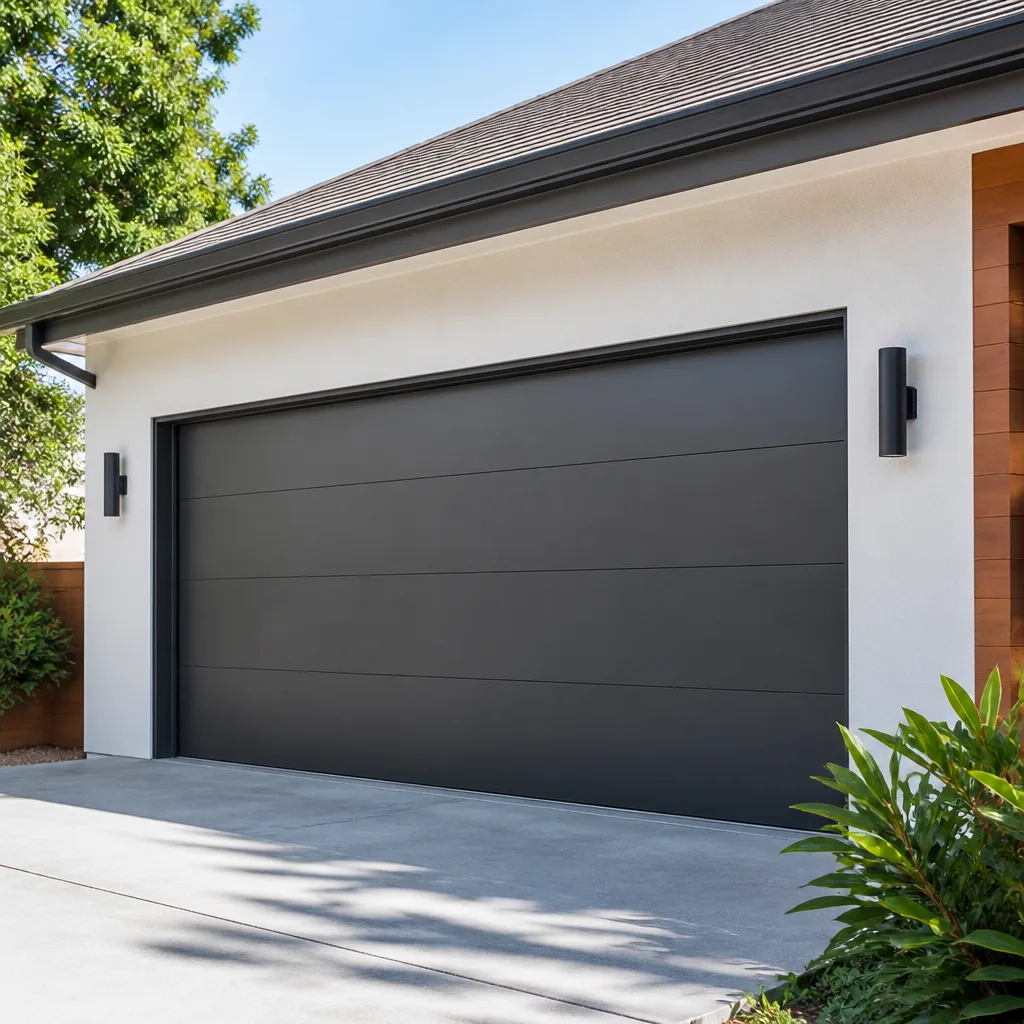 Modern flush
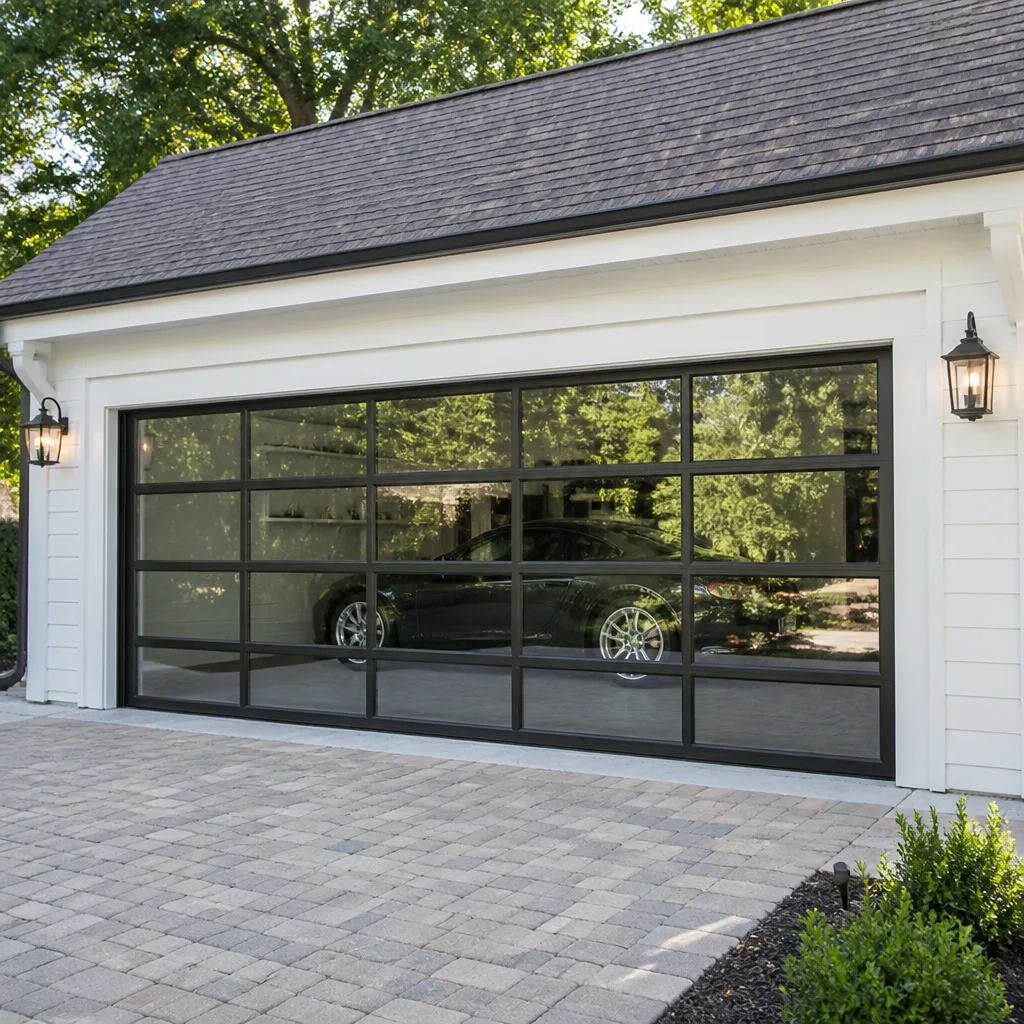 Full-view glass
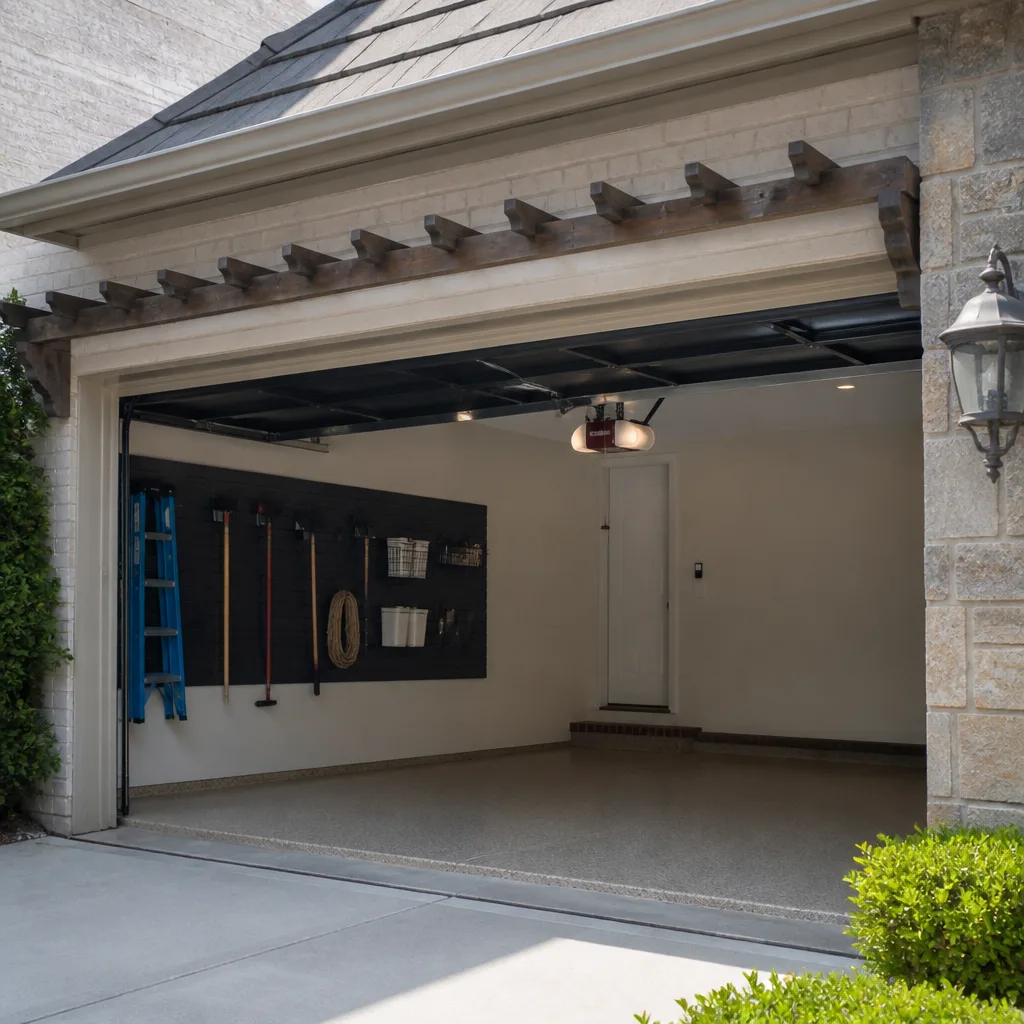 LiftMaster openers
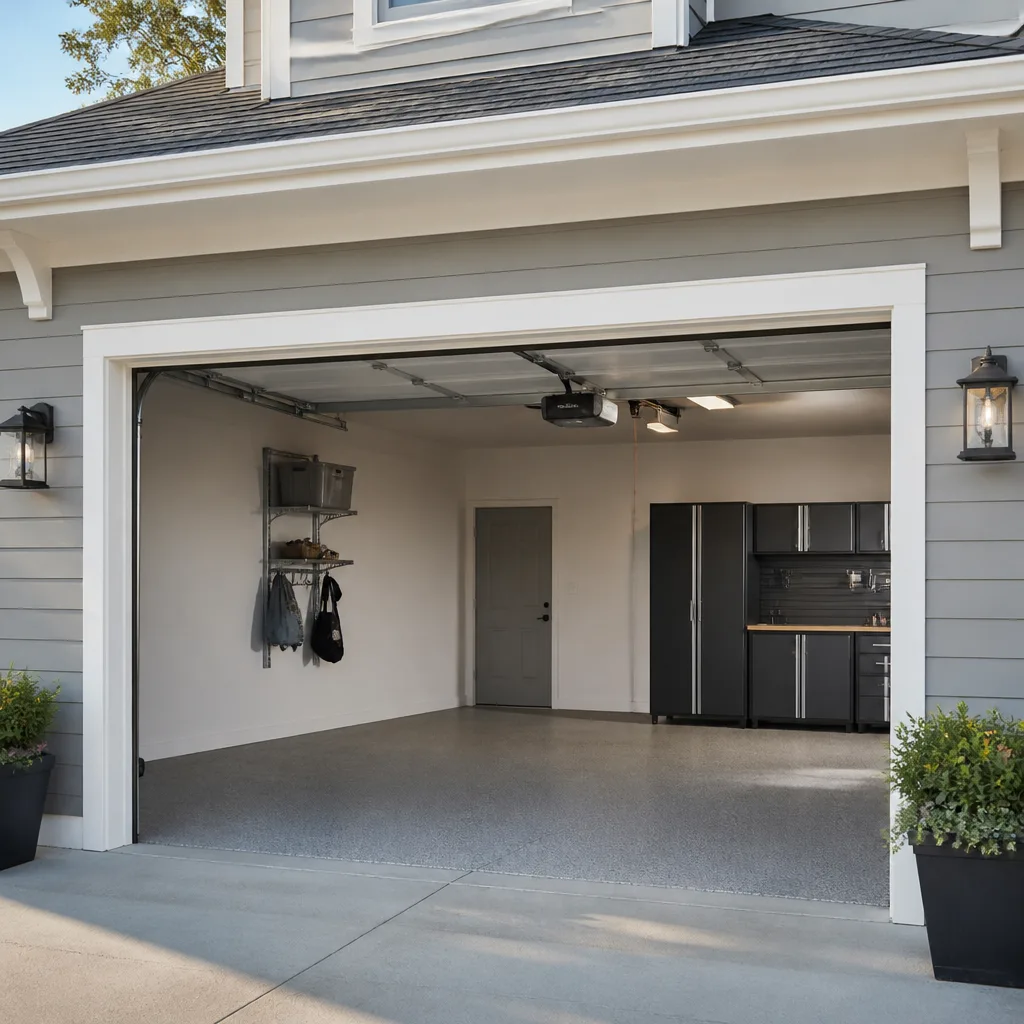 Chamberlain openers
Full 25-point door and opener safety check with every visit - springs, cables, rollers, tracks, and your LiftMaster or Chamberlain opener included
You get a price before we start. It does not change when the pro arrives.
Get your free estimateChoosing the Right Garage Door Brand: A Buyer’s Guide for New Rochelle
The brand with the most aggressive warranty terms is not always the brand that’s easiest to get repaired three years from now. In Westchester County, parts availability for certain brands runs weeks behind what the marketing suggests, and that gap only shows up when something actually breaks. Buyers spend hours comparing door styles and opener features, then discover at the worst moment that a replacement panel or a matched spring has to be factory-ordered. This guide comes from the repair side, not the sales floor. We’ll cover what the major brands sold in New Rochelle actually do over time, how to judge a brand’s parts ecosystem before you buy, and which questions separate a real specialist from a dealer pushing his own line.
Quick Answer
There is no single best garage door brand in New Rochelle. The right choice depends on which brand has parts stocked close enough to reach you quickly, how the door is built for a Westchester winter, and who can service it when it fails. Clopay, Amarr, Wayne Dalton, CHI and Raynor all sell solid doors in this market; the difference shows up in panel availability, hardware commonality, and how fast a local pro can get you back to a working door. Pick the brand your repair technician can actually support, not the one with the longest warranty brochure.
Styles & brands we work with
- Raised-panel steel
- Carriage house
- Modern flush
- Full-view glass
- LiftMaster openers
- Chamberlain openers
Table of Contents
- Why a Repair Technician Sees Brands Differently Than a Dealer
- The Brands You’ll See Most in New Rochelle
- How to Judge a Brand’s Parts Ecosystem
- Steel Gauge Reality: What 24-Gauge vs. 25-Gauge Means Here
- Insulation Ratings in Context
- Matching Your Door Brand to Your Opener Brand
- Questions to Ask a Dealer Before You Sign
- Repair or Replace? Deciding With the Brand in Mind
Why a Repair Technician Sees Brands Differently Than a Dealer
A dealer selling a new door is answering one question: which brand should I put on this house? A repair technician is answering a different one: which brand still works, years later, when a cable snaps on a cold morning or an opener burns out mid-cycle. Those two questions lead to different answers. The dealer sees the door on install day, when everything is clean and new. We see it after a few Westchester winters, when the bottom panel has taken a few knocks and the rollers have worn flat.
That’s the root of the problem with most brand guides. They’re written by people with a product to sell, and their recommendation tends to match whatever they stock. We work on the door you have, whatever name is stamped on it, so we have no incentive to steer you toward one manufacturer over another. Our read comes from what breaks first, what’s easy to source, and what holds up.
New Rochelle sits in a climate that stresses doors in specific ways. The freeze-and-thaw cycle through a Westchester winter works hardware and seals hard, and a garage that faces the street catches every road-salt splash and plow spray the season throws at it. A door that’s fine in a mild climate can start showing rusted hinges and stiff rollers after a couple of hard seasons here. That doesn’t make one brand bad. It tells you what to inspect before you buy.
Native familiarity helps too. Our technicians are factory-familiar with eight major garage door and opener brands, which means there’s no learning curve when we open your garage and see a LiftMaster opener or a Wayne Dalton door. That fluency is what a repair-first company offers: we already know the failure pattern and the part number before we get out of the vehicle.
The Brands You’ll See Most in New Rochelle
Clopay, Amarr, Wayne Dalton, CHI and Raynor cover most of the residential doors in this area. Each has a personality when it comes to how it wears and how easily it’s serviced. Here’s what we’ve learned from working on them.
Clopay
Clopay is everywhere in New Rochelle, and for good reason: the line is broad, the panel profiles are common, and replacement sections are usually easier to find than for smaller brands. Failures tend to cluster around the same wear points you’d expect on any steel door: bottom sections that rust after repeated salt exposure, and hinges that loosen up. When a panel needs replacing, sourcing tends to be straightforward. That matters if a car bumper dents a section and you want the door to look whole again rather than patched.
Amarr
Amarr builds a solid door with strong insulation options, which makes it a frequent pick for attached garages in New Rochelle where the space above is living area. The trade-off is that certain panel profiles and colors are less universally stocked, so a matching replacement can take a factory order. If you’re buying Amarr, ask the dealer to confirm which panels for your model are kept locally, not just which are available from the plant.
Wayne Dalton
Wayne Dalton’s lineup ranges from builder-grade doors to heavier insulated models, and the builder-grade doors show their wear first. On the lighter doors, the hardware and rollers are the first things we end up replacing after a few winters of freeze and thaw. Their higher-end insulated doors hold up better. The brand is common enough here that parts are generally obtainable, though the cheaper models can mean more frequent small fixes over the life of the door.
CHI
CHI is a strong pick for buyers who want a well-built steel door with good insulation for the money. The brand has a smaller footprint in the Northeast than Clopay, so local parts availability isn’t guaranteed the way it is for the biggest names. That doesn’t rule it out. It means confirming before purchase that your specific model’s panels and hardware can be sourced without a long factory wait.
The takeaway isn’t that one of these brands wins. It’s that a common model with widely stocked parts tends to cost you less over its life, because repairs are faster and cheaper when the parts are close by.
How to Judge a Brand’s Parts Ecosystem
The single most useful thing you can ask about a brand is how its parts move. A door is a mechanical system with wear items, and the ease of getting those wear items decides how much a repair costs and how long it takes.
When you’re evaluating a door, look at the parts ecosystem in three layers:
- Panels. If a section gets dented, can a matching panel be found without a factory order? Common profiles from big brands are usually stocked or quickly obtainable; less common profiles can take weeks.
- Springs and cables. Springs are sized to the weight of the door, so they aren’t universal. The question is whether a pro can size and source the right spring quickly for your model, which a repair specialist can usually do through general spring suppliers rather than the door factory.
- Hardware. Hinges, rollers, brackets and track are the parts that wear first here. Hardware is usually the easiest layer to source, but it still helps to know that common hardware fits your door rather than a proprietary fitting.
A brand with a small local footprint can still be a good buy, but you should know up front what a repair will involve. A door that needs a factory part ordered from out of state is still repairable; it just spends a stretch of days waiting on a truck. A door whose parts sit in a local warehouse gets you back inside faster.
Ask your pro directly: for this exact model, what’s stocked and what isn’t? A technician who works on many brands will give you a straight answer, because our New Rochelle Garage Door Repair Co works on the door you already own regardless of which name is on it.
Steel Gauge Reality: What 24-Gauge vs. 25-Gauge Means Here
Gauge is the spec sheet number buyers fixate on, and it’s easy to miss that the number is finer than it sounds. Steel gauge runs the opposite way you’d expect: 24-gauge is thicker steel than 25-gauge. On paper, the difference between 24 and 25 looks trivial. In a Westchester winter, it isn’t the whole story.
Dent resistance is the reason the number matters. A thicker steel face takes a harder knock before it deforms, and this is a region where a door gets knocked. A car rolls a little too far into the garage. A plow throws spray. A kid’s bike bumps the bottom panel. Thicker is more forgiving, and it holds its shape longer. But the gauge of the face is only one factor. The build matters just as much: whether the door has a continuous layer of insulation bonded to the steel, whether the stiles are backed with a stiffening layer, and how the sections join together. Two doors at the same gauge can behave differently under the same impact.
The useful buying rule: don’t treat 24 versus 25 gauge as a tiebreaker on its own. Ask instead what the door’s face is backed with. A 24-gauge face on a well-built door is the safer pick for a busy New Rochelle driveway, but a thin-gauge face over a hollow panel is the one that dents first, regardless of what the sheet says.
Salt exposure is the quiet partner to gauge here. Road salt tracked into the garage works at the bottom panel, hinges and track, and a door that’s thinner or has a weaker paint system is going to show rust at the bottom edge sooner. That’s a reason to look at the whole build, not just the thickness spec.
Insulation Ratings in Context
R-value gets marketed hard, and it’s easy to overspend on it for the wrong reasons. Insulation matters most when the garage shares a wall or a ceiling plane with conditioned living space. In those houses, an insulated door helps keep the living area comfortable and keeps the garage from pulling heat out of the house on a cold night.
New Rochelle has a lot of attached garages, and many of them sit under a bedroom or next to a kitchen, so insulation is a legitimate consideration for those. But a lot of the framing here also includes detached garages, where the space above is nowhere near living space. In that case, a high R-value door is mostly marketing. You’re paying for insulation that doesn’t do much because there’s nothing on the other side of the wall to protect.
The practical guidance:
- Attached, conditioned garage: insulation earns its cost. Look for a door with a bonded, continuous layer, not loose fill that can sag.
- Detached or unconditioned garage: spend the money on thicker steel and better hardware instead of a headline R-value. Durability beats a number you won’t feel.
- Heated or cooled garage you use as workspace: insulation pays off, but the door’s seals and the garage’s own wall and ceiling insulation matter as much as the door’s R-value.
One more thing to know: an R-value printed on a spec sheet is a lab number. It describes the panel in a test environment, not how the door sits in your opening after a couple of winters. Weather seals that no longer seal let air around the door, and no R-value on the label can make up for that.
Matching Your Door Brand to Your Opener Brand
The door and the opener are separate systems that have to work together, and buyers often think of them as one purchase. We work on both, and the connection matters for how a door behaves and how easy it is to repair.
On the opener side, LiftMaster and Chamberlain are the two most common brands in this area, with Craftsman and Genie running strong in older homes. LiftMaster and Chamberlain share a lot of internal design and are well-supported locally, which means a repair is usually fast. Genie and Craftsman are also common enough that parts are typically easy to source. The tricky repairs come with newer smart and connected openers, where the app-driven logic and Wi-Fi modules add a layer the old units never had. When an opener stops responding, the door isn’t always the problem, and a technician who knows the opener line will diagnose the right part instead of recommending a whole new unit.
Door weight matters here too. A heavy insulated door needs an opener rated for it, and a builder-grade opener on a heavy door is a common source of premature wear. When we look at a door that won’t lift cleanly, we check the opener’s rating against the door’s weight before anything else.
For opener-specific problems, garage door opener repair is a separate job from the door itself, and it’s worth knowing that a good specialist handles both sides of the system.
Questions to Ask a Dealer Before You Sign
The goal here isn’t to catch a dealer out. It’s to separate a real brand specialist from someone selling whatever is on the floor. Ask these, and listen for specifics rather than reassurance:
- Would you recommend this model if you didn’t sell it? A straight answer names the trade-offs, and a weak one avoids the question.
- If a panel gets dented next year, can I get a matching one locally? The answer reveals the parts ecosystem.
- What’s the gauge of the steel face, and what’s behind it? A specialist knows both numbers without checking a sheet.
- Who services this brand if something goes wrong later? If the only answer is “us,” find out what happens if you sell the house or you’re working with someone else.
- Is the opener rated for this door’s weight? A surprising number of installs skip this question.
- What will fail first on this door, and roughly when? A dealer who works with a brand knows its weak points; the ones who don’t will say “nothing ever fails.”
Ask one more: who repairs it if the brand’s own dealer isn’t available? A dealer who’s brand-loyal isn’t the same as a brand expert. We see the difference in our work, because fixing doors across many brands is a different skill from installing one line. A good pro can tell you the parts story for a brand without selling it, and that’s the answer worth having.
Repair or Replace? Deciding With the Brand in Mind
Most homeowners asking about brands are also deciding whether to replace at all. The brand is a factor, but it’s not the deciding one. A door from a well-supported brand that’s ten years old and needs new springs is a repair. A door from a brand with no local parts path that has a bent track and a rusted bottom panel may be a case where replacement makes more sense, because the cost of chasing parts adds up.
We approach every job with a repair-first mindset. Springs, cables, rollers, hinges, openers and track are all fixable, and a lot of doors get replaced that only needed a repair. When a spring snaps, we can handle garage door spring repair without pushing a whole new door. When a door comes off its track, that’s a track and hardware repair, not a replacement, unless the door itself is bent beyond saving.
That said, not every door should be fixed forever. If the door is past the point where the repair costs approach replacement, or if the parts for that brand take too long to source, we’ll say so plainly. A specialist who works both repair and new installation can give you a real answer because there’s no incentive to lean one way. The brand only matters here as one input: how easy is it to keep this door alive, and for how long?
Common Mistakes to Avoid
- Picking a brand on warranty length alone. A long warranty on a brand with no local parts path is a promise you can’t cash. Ask about parts before you sign.
- Comparing R-value on a detached garage. Insulation that guards nothing is money spent on a label. Spend it on thicker steel and better hardware instead.
- Assuming thicker steel means a better door. Gauge is the face of the door, not the whole build. Backing, seals and hardware all matter.
- Letting a dealer spec the opener without the door’s weight. In New Rochelle, a heavy insulated door on an undersized opener is a common premature-wear problem.
- Ignoring road salt on a street-facing garage. The salt a plow throws in a Westchester winter works at the bottom edge, hinges and track, and it’s worth checking those spots every spring.
- Replacing a door that only needed a repair. Before you buy, get a repair-focused opinion. A spring, cable or opener fix is often the whole answer.
- Trusting brand loyalty over brand expertise. An installer who only sells one line is not the same as a technician who services all of them. Ask who repairs it before you decide.
See the difference
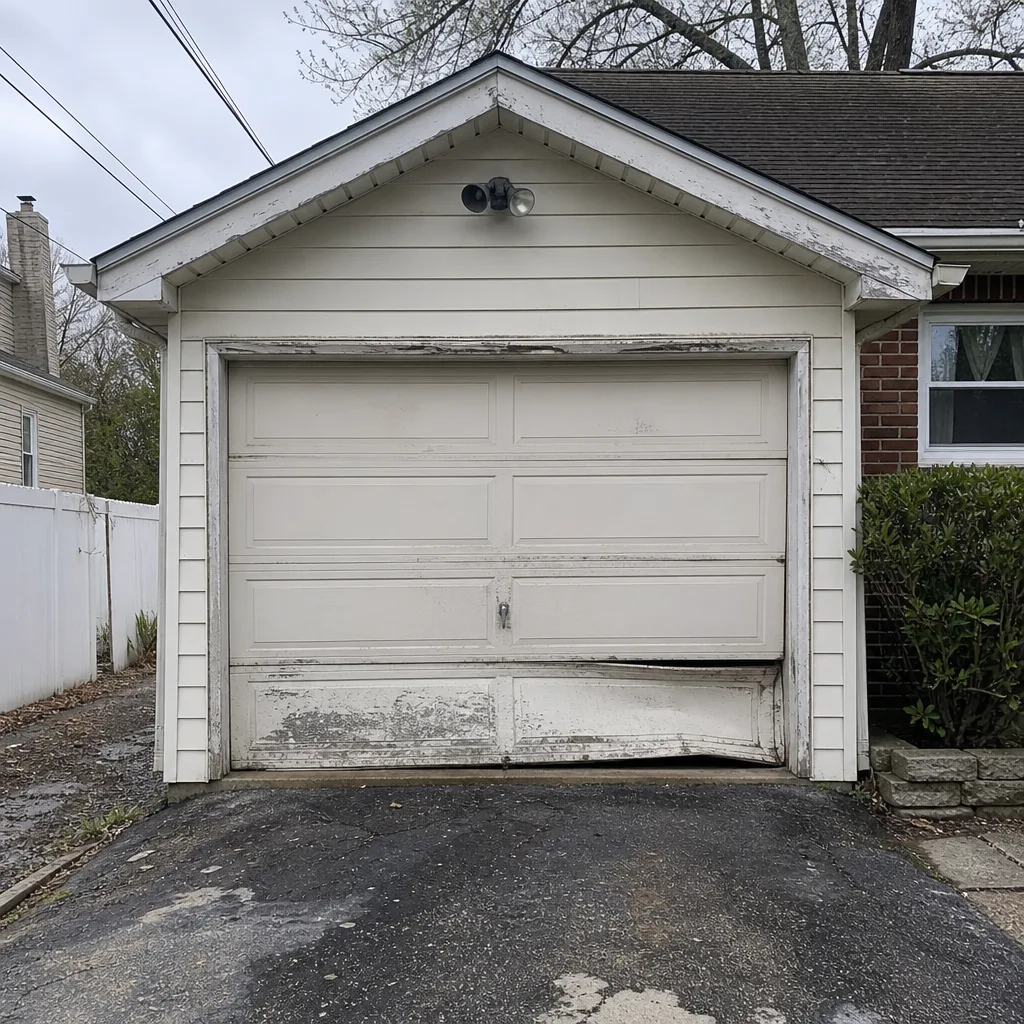 Before
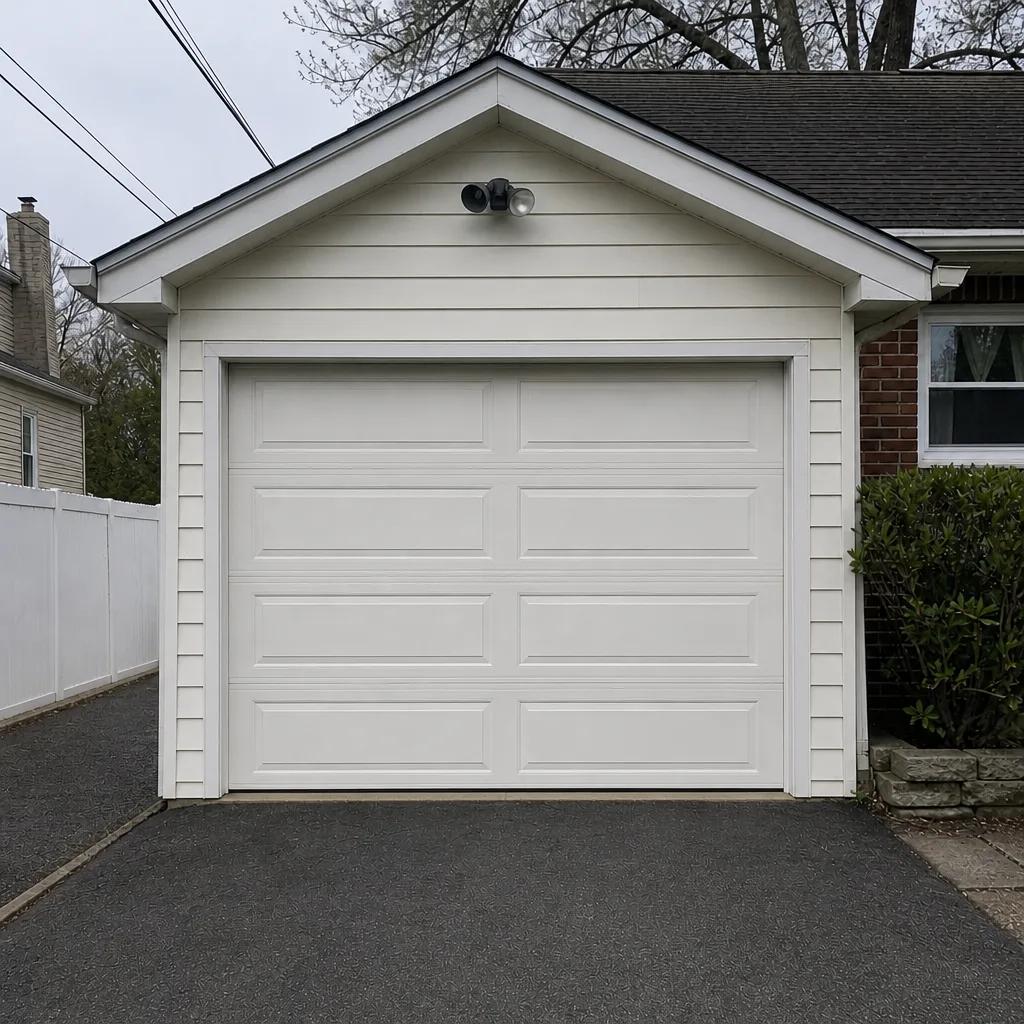 After
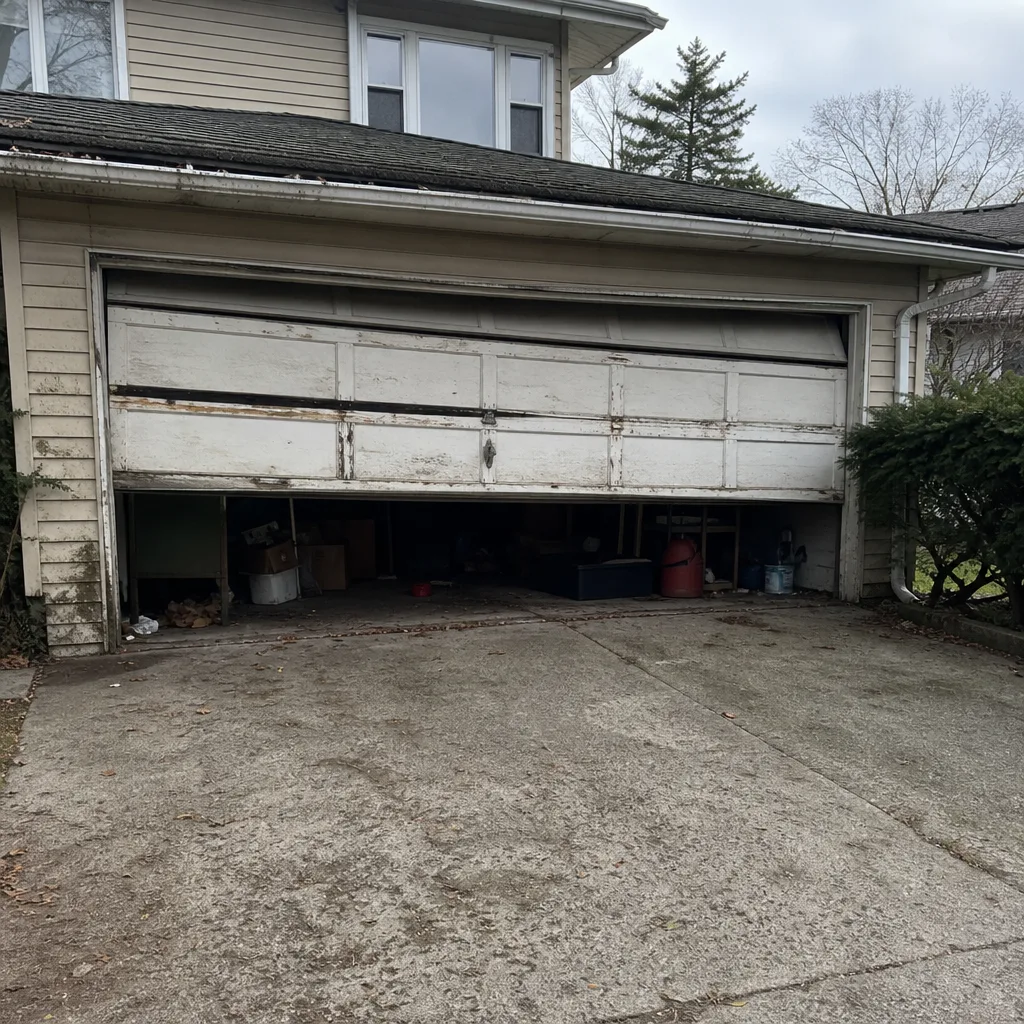 Before
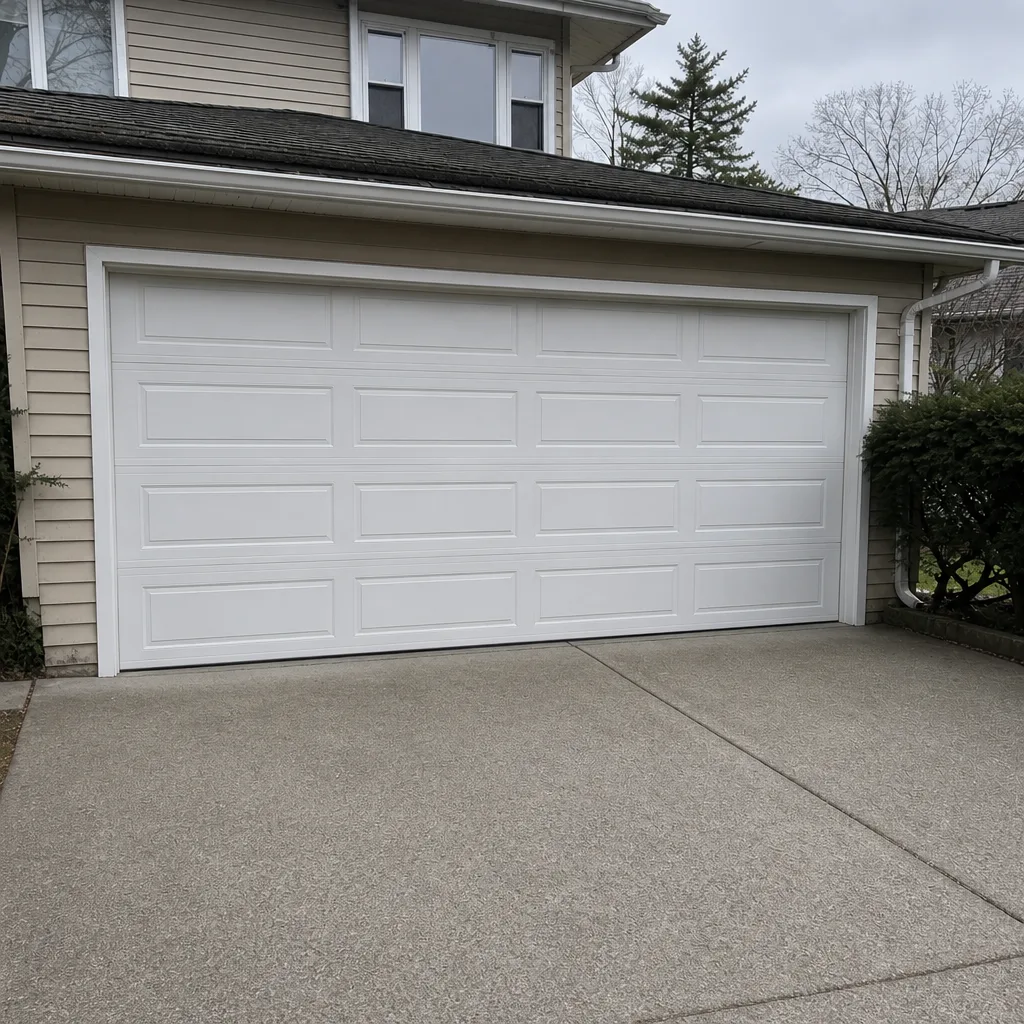 After
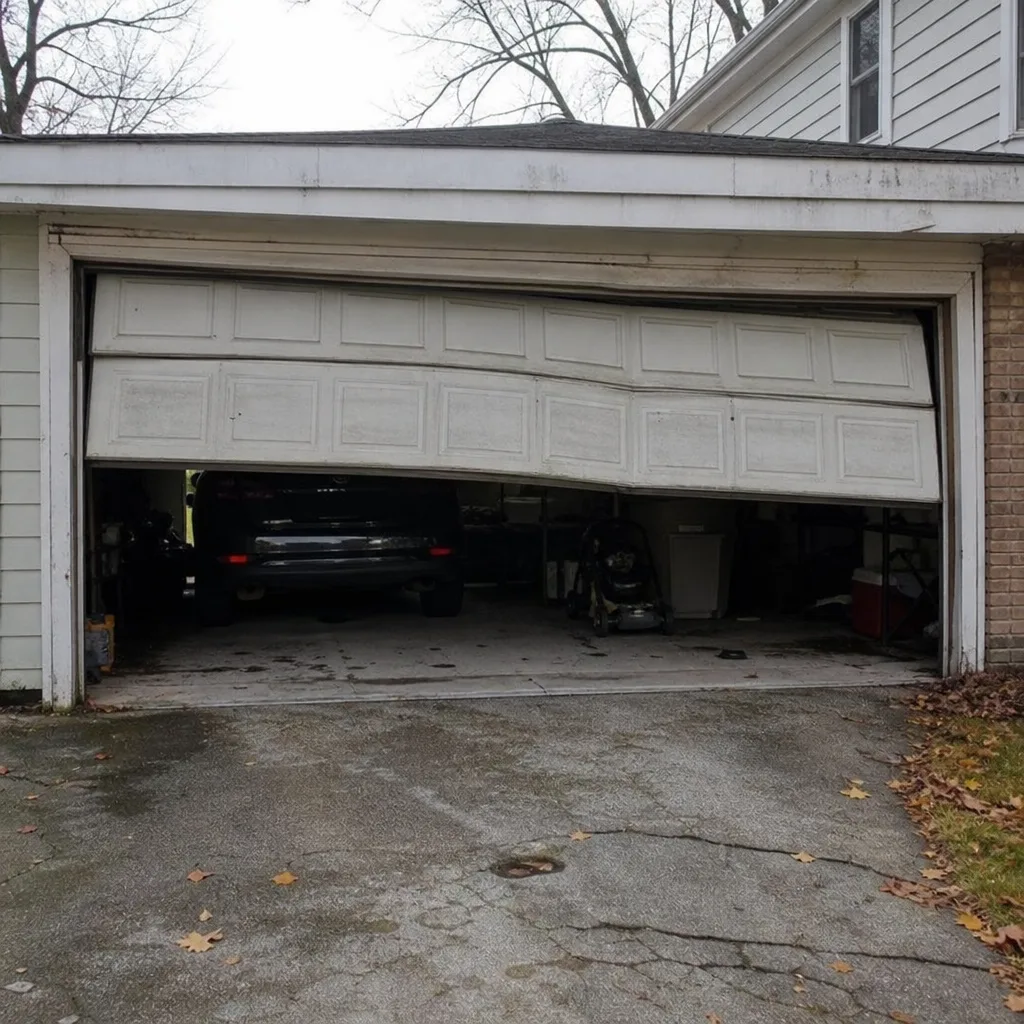 Before
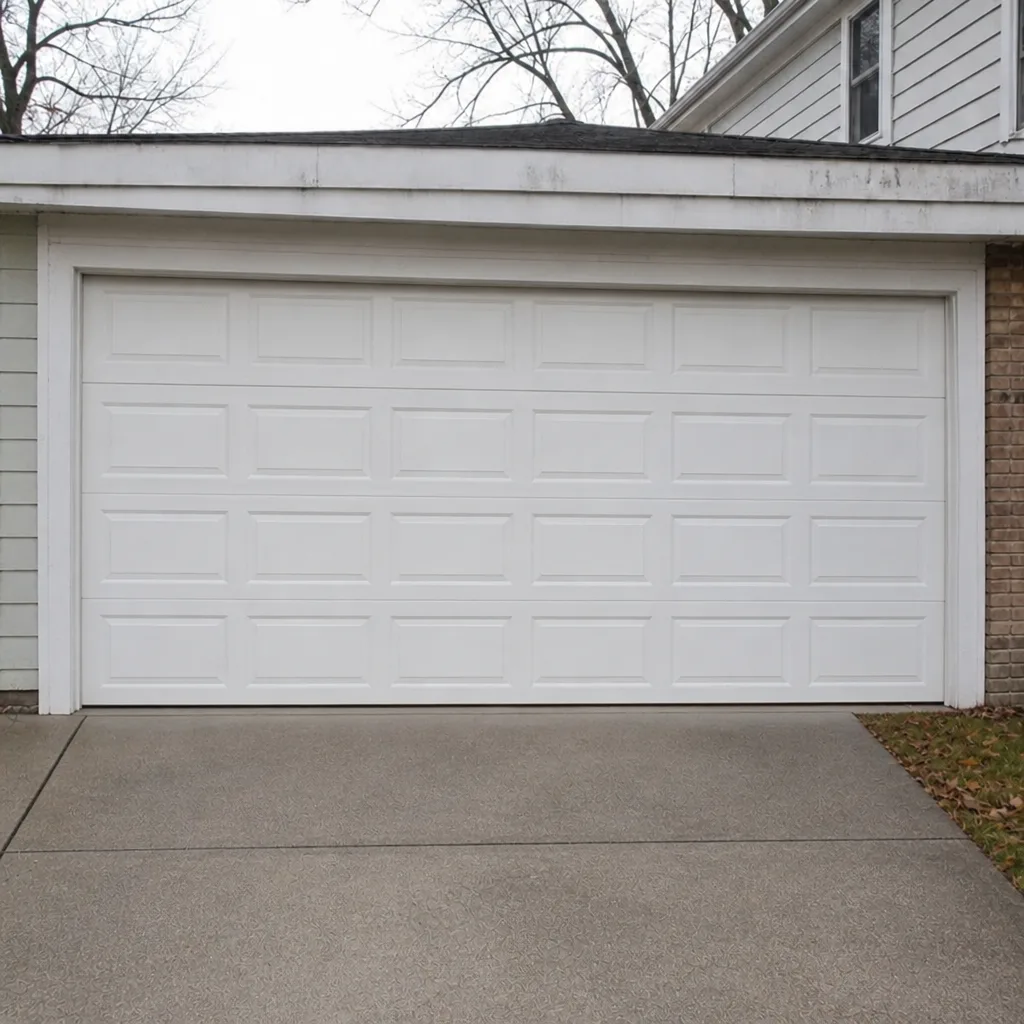 After
When to Call a Professional
Some garage door problems are a call, not a project. If a spring snaps, a cable lets go, the door comes off its tracks, or the opener stops responding, call a professional rather than trying to fix it yourself. Springs and cables are under high tension and can cause serious injury if handled without the right tools and technique, and a door that’s off its track can come down hard. The same goes for a door that’s stuck halfway, or one that’s been giving off a loud bang on each cycle. If the door won’t close, you’re also leaving the house open. New Rochelle Garage Door Repair Co offers free estimates in New Rochelle and handles emergency service for exactly these situations. Call (844) 385-8447 and we’ll get you a straight answer.
Frequently Asked Questions
The best brand is the one with parts close enough to repair quickly. Clopay, Amarr, Wayne Dalton, CHI and Raynor all make solid doors for this market, so the decision usually comes down to local parts availability, steel gauge, and how easy the model is to service. There’s no single winner, and any pro who names one without knowing your situation is selling, not advising. Call (844) 385-8447 for an honest take on your options.
Yes, 24-gauge is thicker than 25-gauge, so it dents less easily, which helps on a busy driveway. But gauge alone isn’t the whole story. A door’s backing, insulation bonding and paint system matter too. Don’t pick a brand on gauge alone; ask what’s behind the steel face. Call (844) 385-8447 if you want a second opinion on a model you’re considering.
You need one if the garage is attached and shares a wall or ceiling with living space. In that case, the insulation keeps the house warmer and quieter. In a detached or unconditioned garage, a high R-value is mostly marketing, and your money is better spent on thicker steel and sturdier hardware. Call (844) 385-8447 for advice on which makes sense for your garage.
It matters for parts availability and how fast a repair happens, but any pro who works on many brands can fix the door you own. We’re factory-familiar with eight major garage door and opener brands, including LiftMaster, Chamberlain, Clopay, Amarr, Wayne Dalton and Raynor, so the brand on your door won’t slow us down. Call (844) 385-8447 and we’ll take a look.
Usually yes. Door brands and opener brands are sold separately, and most openers can work with most doors as long as the opener is rated for the door’s weight. Where problems start is when a heavy insulated door is paired with an undersized builder-grade opener. For opener-specific issues, call (844) 385-8447 and we’ll check the rating against the door.
Ask who repairs the brand if they’re not available. Most buyers ask about price and warranty and stop there, but the repair question is the one that decides how much the door costs you over its life. If the only answer is “us,” push for specifics on parts and local support. Call (844) 385-8447 if you want an independent repair-side view before you sign.
The Bottom Line
The best garage door brand in New Rochelle is the one you can keep working. That means a common model with parts close enough to source quickly, steel thick enough to take a Westchester winter, and insulation that matches whether the garage is attached or detached. Don’t pick a brand on warranty length or a spec-sheet number alone. Ask what’s behind the steel, who repairs the door if it fails, and what breaks first. Clopay, Amarr, Wayne Dalton, CHI and Raynor all have good doors; the real difference is serviceability. Choose a brand a repair specialist can support, and you get a door that’s easier and cheaper to live with.
Written by the team at New Rochelle Garage Door Repair Co.